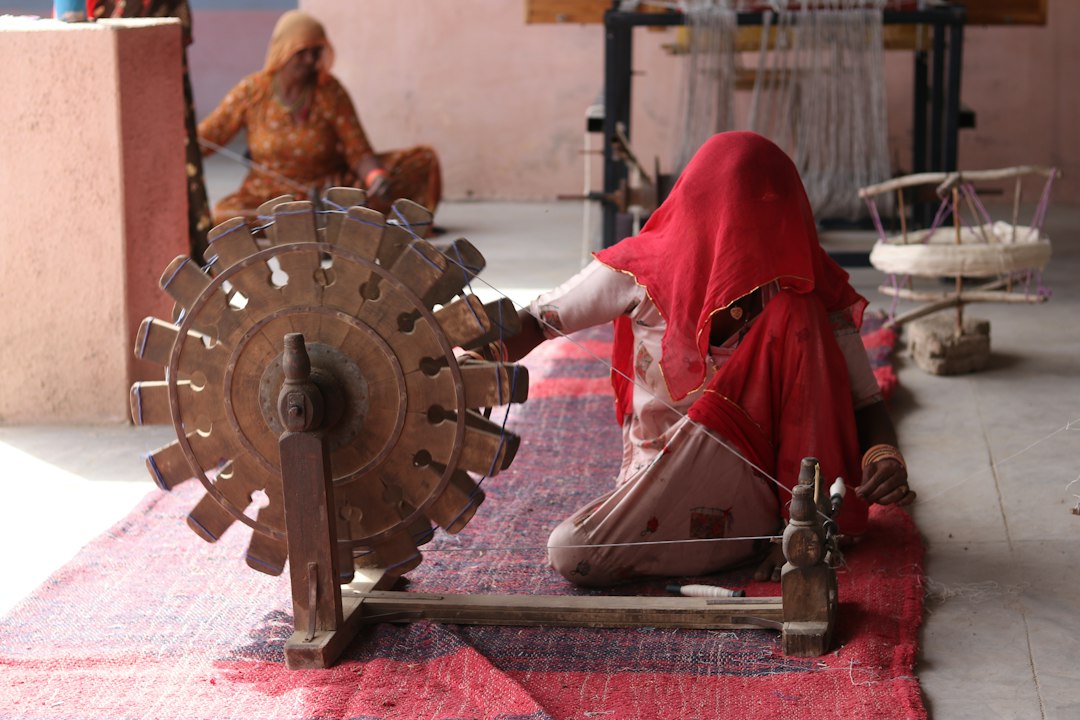
Gandhi Jayanti 2026 will be observed across India on Friday, 2 October 2026, marking the birth anniversary of Mahatma Gandhi. The date is also observed by the United Nations as the International Day of Non-Violence, making it a global occasion to reflect on peace, truth, dignity and non-violent action.
Gandhi Jayanti 2026 Overview
| Occasion | Gandhi Jayanti 2026 |
|---|---|
| Date | 2 October 2026 |
| Day | Friday |
| Birth anniversary | Mahatma Gandhi |
| Global observance | International Day of Non-Violence |
Why Gandhi Jayanti Is Celebrated
Mohandas Karamchand Gandhi was born on 2 October 1869 in Porbandar, Gujarat. His leadership in India’s freedom movement placed truth, non-violence and mass civic participation at the centre of political action. Gandhi Jayanti remembers his life and the principles associated with his public work.
The day is observed in schools, colleges, government institutions and communities through remembrance programmes, discussions, cleanliness activities, cultural events and reflections on peace and social responsibility.
International Day of Non-Violence
The United Nations observes 2 October as the International Day of Non-Violence. The UN General Assembly established the observance in 2007 as an occasion to spread the message of non-violence through education and public awareness. The choice of Gandhi’s birthday connects the international observance directly with his philosophy and methods.
Gandhi’s Core Ideas
Truth
Truth occupied a central place in Gandhi’s thought. He argued that public life and individual conduct should be grounded in honesty and moral responsibility.
Non-violence
For Gandhi, non-violence was more than avoiding physical violence. It was a disciplined method of confronting injustice without hatred and seeking change without dehumanising opponents.
Satyagraha
Satyagraha became closely associated with Gandhi’s approach to resistance. It emphasized moral courage, peaceful action, civil participation and willingness to accept personal sacrifice.
Self-reliance
Gandhi encouraged local production, dignity of labour and self-reliance. The spinning wheel became one of the best-known symbols connected with this vision.
Important Milestones in Gandhi’s Life
Gandhi trained in law and spent important formative years in South Africa, where he challenged discriminatory practices. After returning to India, he became a major leader of the national movement. Campaigns associated with his leadership included Champaran, the Non-Cooperation Movement, the Salt March and the Quit India Movement. These episodes differed in context and outcome, but non-violent mass participation remained a defining feature of his approach.
How Gandhi Jayanti Is Observed in India
Tributes are traditionally paid at Raj Ghat in New Delhi. Educational institutions may organize speeches, essay competitions, debates, exhibitions and programmes on Gandhi’s life. Community organizations often use the occasion to promote peace, sanitation, volunteering and social harmony.
Gandhi Jayanti Activities for Students
- Prepare a timeline of Gandhi’s life and major movements.
- Hold a classroom discussion on non-violent conflict resolution.
- Organize an essay, drawing or speech competition.
- Conduct a cleanliness or community-service activity.
- Read reliable historical material and discuss how Gandhi’s ideas were applied in different periods.
Gandhi Jayanti Wishes and Messages
May Gandhi Jayanti inspire us to choose truth, compassion and peaceful dialogue in everyday life.
On Gandhi Jayanti 2026, remember the value of courage without hatred and progress with dignity.
Warm wishes on Gandhi Jayanti. May the ideals of peace, simplicity and service continue to inspire future generations.
Short Gandhi Jayanti Slogans
- Choose peace over conflict.
- Truth gives courage.
- Non-violence begins with respect.
- Serve society with compassion.
- Let dialogue defeat hatred.
Why Gandhi’s Message Still Matters
Modern societies face polarization, misinformation, discrimination, conflict and online hostility. Gandhi’s legacy continues to be discussed because it raises enduring questions about how citizens can oppose injustice while protecting human dignity. The United Nations’ annual observance of the International Day of Non-Violence demonstrates the continuing global relevance of peaceful civic action.
Gandhi Jayanti and Young People
For students and young professionals, Gandhi Jayanti can be approached as more than a commemorative date. It offers an opportunity to examine ethical leadership, responsible citizenship, sustainable living and peaceful disagreement. These ideas can be applied in classrooms, workplaces, neighbourhoods and digital spaces.
Frequently Asked Questions
When is Gandhi Jayanti 2026?
Gandhi Jayanti will be observed on 2 October 2026.
Which day is Gandhi Jayanti in 2026?
2 October 2026 falls on a Friday.
Why is Gandhi Jayanti celebrated?
It commemorates the birth anniversary of Mahatma Gandhi and remembers his contribution to India’s freedom movement and his philosophy of truth and non-violence.
What international day is observed on October 2?
The United Nations observes 2 October as the International Day of Non-Violence.
When was Mahatma Gandhi born?
He was born on 2 October 1869.
Where was Gandhi born?
He was born in Porbandar in present-day Gujarat.
How can schools observe Gandhi Jayanti?
Schools can organize speeches, essays, debates, exhibitions, community service and educational programmes on peace and non-violence.
What is the central message of Gandhi Jayanti?
The occasion encourages reflection on truth, non-violence, peaceful civic action, service and respect for human dignity.
Explore More on CareerSphere
Read more News updates, explore Latest Jobs, and visit the CareerSphere homepage for new updates.
Final Note
Gandhi Jayanti 2026 is both a national remembrance and an opportunity to consider how truth, peaceful dialogue and responsible citizenship can shape everyday life. Readers should use authoritative historical and institutional sources when researching Gandhi’s life and legacy.
Leave a Reply