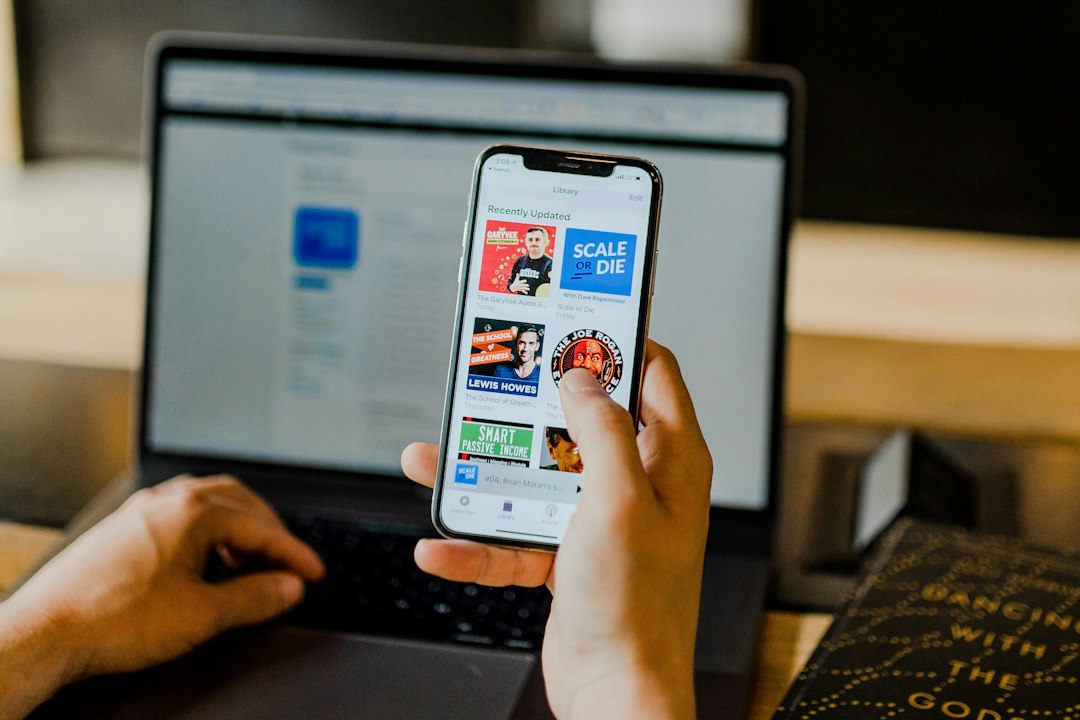
Global Media and Information Literacy Week 2026 will be observed from October 24 to October 31, 2026. The UNESCO-led international observance promotes the skills people need to find, evaluate, understand, create and share information responsibly in an increasingly complex digital environment.
Media and information literacy has become especially relevant in an era of social media, artificial intelligence, viral content and rapidly changing online platforms. The week encourages students, educators, journalists, policymakers, libraries and communities to strengthen critical thinking and responsible participation in information ecosystems.
Global Media and Information Literacy Week 2026: Quick Facts
| Dates | October 24–31, 2026 |
| Duration | 8 days |
| Lead organisation | UNESCO |
| Common abbreviation | Global MIL Week |
| Main focus | Critical engagement with media and information |
| Key skills | Accessing, evaluating, creating and sharing information responsibly |
| UN recognition | UN General Assembly proclaimed October 24–31 as Global Media and Information Literacy Week in 2021 |
What Is Global Media and Information Literacy Week?
Global Media and Information Literacy Week is an annual international campaign promoting media and information literacy, often shortened to MIL. The concept brings together skills needed to navigate news, digital platforms, libraries, advertising, entertainment, online communities and other information sources.
Being media and information literate does not mean distrusting everything online. It means asking useful questions: Who created this information? What evidence supports it? Is the source identifiable? Is the material current? Could context be missing? Is an image authentic or altered? What might happen if the content is shared?
When Is Global MIL Week 2026?
The observance runs from October 24 through October 31 each year. In 2026, October 24 falls on Saturday and October 31 falls on Saturday.
The opening date, October 24, is also United Nations Day 2026. The overlap makes Global MIL Week especially relevant to education, citizenship and international cooperation.
History of Global Media and Information Literacy Week
UNESCO has promoted media and information literacy internationally for many years through education, partnerships and annual Global MIL Week activities. In 2021, the United Nations General Assembly adopted a resolution proclaiming October 24–31 as Global Media and Information Literacy Week.
The UN recognition reflected growing concern about the ability of people to navigate large volumes of information and communicate responsibly. Digital technologies have expanded access to knowledge, but they have also made it easier for misleading or manipulated content to spread rapidly.
Global Media and Information Literacy Week 2026 Theme
UNESCO often announces an annual theme and conference focus for Global MIL Week. CareerSphere only presents a phrase as the official 2026 theme after it is confirmed through UNESCO’s official channels. An unverified slogan should not be treated as the official theme merely because it appears on third-party calendar websites.
Whatever the annual theme, the continuing purpose of Global MIL Week is to strengthen people’s ability to engage critically and responsibly with information and media.
What Does Media and Information Literacy Mean?
Media literacy and information literacy overlap. Media literacy includes understanding how media messages are produced, distributed and interpreted. Information literacy includes identifying an information need, locating relevant sources, evaluating evidence and using information appropriately.
In digital life, these skills increasingly operate together. A student researching an assignment may encounter a news article, video, social-media post, AI-generated summary and official document within minutes. The challenge is not merely finding information but judging its quality and context.
Why Media Literacy Matters in the AI Era
Generative artificial intelligence can create fluent text, realistic images, audio and video. These tools have useful applications, but their outputs can also contain errors or be used to create misleading material.
AI-era literacy therefore requires verification habits. Users should check important claims against reliable sources, distinguish generated content from documented evidence where possible and avoid assuming that professional-looking material is automatically accurate.
How to Check Whether Information Is Reliable
- Identify the original source: Look beyond screenshots or forwarded messages.
- Check the date: Old information can become misleading when shared as current.
- Read beyond the headline: Headlines may omit important context.
- Look for evidence: Reliable factual claims should be supported by documents, data or attributable sources.
- Compare independent sources: Important claims deserve cross-checking.
- Inspect images carefully: Images can be cropped, reused from unrelated events or digitally altered.
- Separate fact from opinion: Commentary and factual reporting serve different purposes.
- Pause before sharing: A few minutes of verification can prevent misinformation from spreading further.
Understanding Misinformation and Disinformation
Misinformation generally refers to false or inaccurate information shared without necessarily intending to deceive. Disinformation involves deliberately false or manipulated information intended to mislead. In everyday use, however, determining intent can be difficult, so readers should focus first on verifying the content itself.
False information can spread because it is emotionally engaging, surprising or aligned with what people already believe. Responsible users should therefore be especially careful with content that produces an immediate strong reaction.
Media Literacy for Students
Students use the internet for assignments, exam preparation, career information and general knowledge. They may encounter copied articles, outdated recruitment notices, fake scholarship messages or altered documents. Basic verification can protect both academic work and personal decisions.
Students should learn to use official websites for important notices, cite sources appropriately, distinguish primary from secondary sources and avoid copying AI-generated or online material without checking it.
Media Literacy for Job Seekers
For CareerSphere readers, media literacy has direct relevance to recruitment. Fake job advertisements can imitate official notices, request unnecessary payments or circulate outdated application links.
Job seekers should verify recruitment information against the recruiting organisation’s official notification, check application dates and fees carefully, and avoid sharing sensitive personal or banking information through unverified channels. A genuine-looking social-media graphic is not a substitute for an official recruitment document.
Digital Safety and Responsible Sharing
Information literacy also includes understanding privacy and security. Users should think carefully before posting personal information, photographs, identity documents or location details publicly.
Passwords, PINs and one-time passwords should never be shared simply because a message appears urgent. Suspicious links, unexpected attachments and requests for remote access deserve caution. Responsible digital participation combines verification with privacy awareness.
Global MIL Week 2026 Activities for Schools and Colleges
- Fact-checking challenge: Give students sample claims and ask them to locate reliable evidence.
- Headline comparison: Compare how different sources frame the same event.
- Reverse-image lesson: Explain how images can be reused out of context.
- AI-content discussion: Examine the benefits and limitations of generative AI.
- Source-ranking exercise: Compare official documents, journalism, blogs and anonymous posts.
- Digital-safety quiz: Cover phishing, passwords, privacy and scams.
- School media project: Students can create a newsletter while practising sourcing and corrections.
- Library workshop: Teach research skills, citation and database searching.
Activities for Libraries and Communities
Libraries can host workshops on research, source evaluation and digital skills. Community groups can run sessions for older adults or first-time internet users on identifying scams and misleading forwarded messages.
Journalists and educators can demonstrate how professional verification works. Local examples can be especially effective because participants can apply the skills immediately to information they encounter in daily life.
Global Media and Information Literacy Week 2026 Speech
Good morning everyone. Today we mark Global Media and Information Literacy Week, observed from October 24 to 31. The week reminds us that access to information is only the beginning; we also need the skills to evaluate and use information responsibly.
Every day we see headlines, videos, social-media posts and messages competing for our attention. Artificial intelligence has made it even easier to create convincing digital content. Before believing or forwarding something, we should ask who created it, what evidence supports it and whether reliable sources confirm it.
Media literacy does not ask us to reject technology. It helps us use technology wisely. As students and citizens, we can contribute to a healthier information environment by checking facts, respecting privacy, correcting mistakes and thinking before we share. Thank you.
Global MIL Week Messages and Slogans
- Think before you click. Verify before you share.
- Strong information skills build stronger digital communities.
- Read beyond the headline.
- Ask for evidence, not just engagement.
- Pause, check and share responsibly.
- Media literacy is a skill for everyday life.
- In the AI era, verification matters more than ever.
- Better information habits begin with better questions.
Short Captions and WhatsApp Status
- 📱 Global Media and Information Literacy Week 2026
- October 24–31 | Think. Check. Share responsibly.
- Don’t stop at the headline.
- Verify before you amplify.
- Digital skills need critical thinking.
- Information literacy = smarter online choices.
Essay Points for Students
A student essay can begin by defining media and information literacy and mentioning the October 24–31 dates. The main section can discuss social media, misinformation, artificial intelligence, source verification and digital safety.
Students can include practical examples, such as checking an official recruitment notification rather than trusting a forwarded message. The conclusion can emphasise that responsible information use is a shared responsibility involving platforms, institutions, media organisations and individual users.
GK Questions and Answers
When is Global Media and Information Literacy Week 2026?
It is observed from October 24 to October 31, 2026.
Which organisation leads Global MIL Week?
UNESCO is the principal UN organisation associated with the global observance.
When did the UN General Assembly proclaim Global MIL Week?
The General Assembly proclaimed October 24–31 as Global Media and Information Literacy Week in 2021.
What does MIL stand for?
MIL stands for Media and Information Literacy.
Why is media literacy important?
It helps people evaluate sources, understand media messages, recognise potentially misleading information and communicate responsibly.
Frequently Asked Questions
Is Global MIL Week a UN-recognised observance?
Yes. The UN General Assembly proclaimed October 24–31 as Global Media and Information Literacy Week in 2021.
Is media literacy only about fake news?
No. It includes accessing, analysing, evaluating, creating and communicating information across many forms of media.
How does AI affect media literacy?
AI can make content creation faster and more accessible, but it also increases the need to verify important claims and understand that convincing output may still contain errors or manipulation.
How can students improve information literacy?
They can compare sources, use official documents for important facts, check dates and authorship, cite evidence and pause before sharing unverified content.
Why is MIL important for job seekers?
It helps job seekers distinguish official recruitment notices from fake, outdated or misleading advertisements and reduces exposure to scams.
What can I do during Global MIL Week?
Practise checking sources, attend a digital-literacy activity, teach someone a verification skill or review your own habits before sharing online content.
Why Media and Information Literacy Matters in 2026
Global Media and Information Literacy Week is particularly relevant in a digital environment where people receive information through search engines, social platforms, messaging apps, video services and AI tools. Literacy means more than knowing how to use a device. It includes checking who produced a claim, when it was published, what evidence supports it and whether the wording matches the underlying evidence.
Schools can teach students to compare two reports about the same event, identify missing context and distinguish news reporting from commentary or advertising. Colleges can examine source verification, image manipulation, algorithmic recommendations and responsible sharing. Workplaces can use short exercises on identifying phishing, misleading statistics and impersonation content.
A Practical Verification Checklist
Before sharing an important claim, check the original source, publication date, author or organisation, supporting evidence and whether independent reliable sources report the same fact. Be particularly careful with screenshots that have no source link and headlines that make claims stronger than the article itself.
Related CareerSphere Guides
Continue with World Statistics Day 2026, World Development Information Day 2026 and World Audio Drama Day 2026.
Conclusion
Global Media and Information Literacy Week 2026, from October 24 to 31, highlights one of the most important skills of modern life: the ability to navigate information thoughtfully.
As AI, social media and digital platforms continue to evolve, people need more than access to information. They need the ability to ask questions, check evidence, understand context and share responsibly. For students and job seekers in particular, these habits can improve learning, reduce exposure to scams and support better-informed decisions.
Leave a Reply