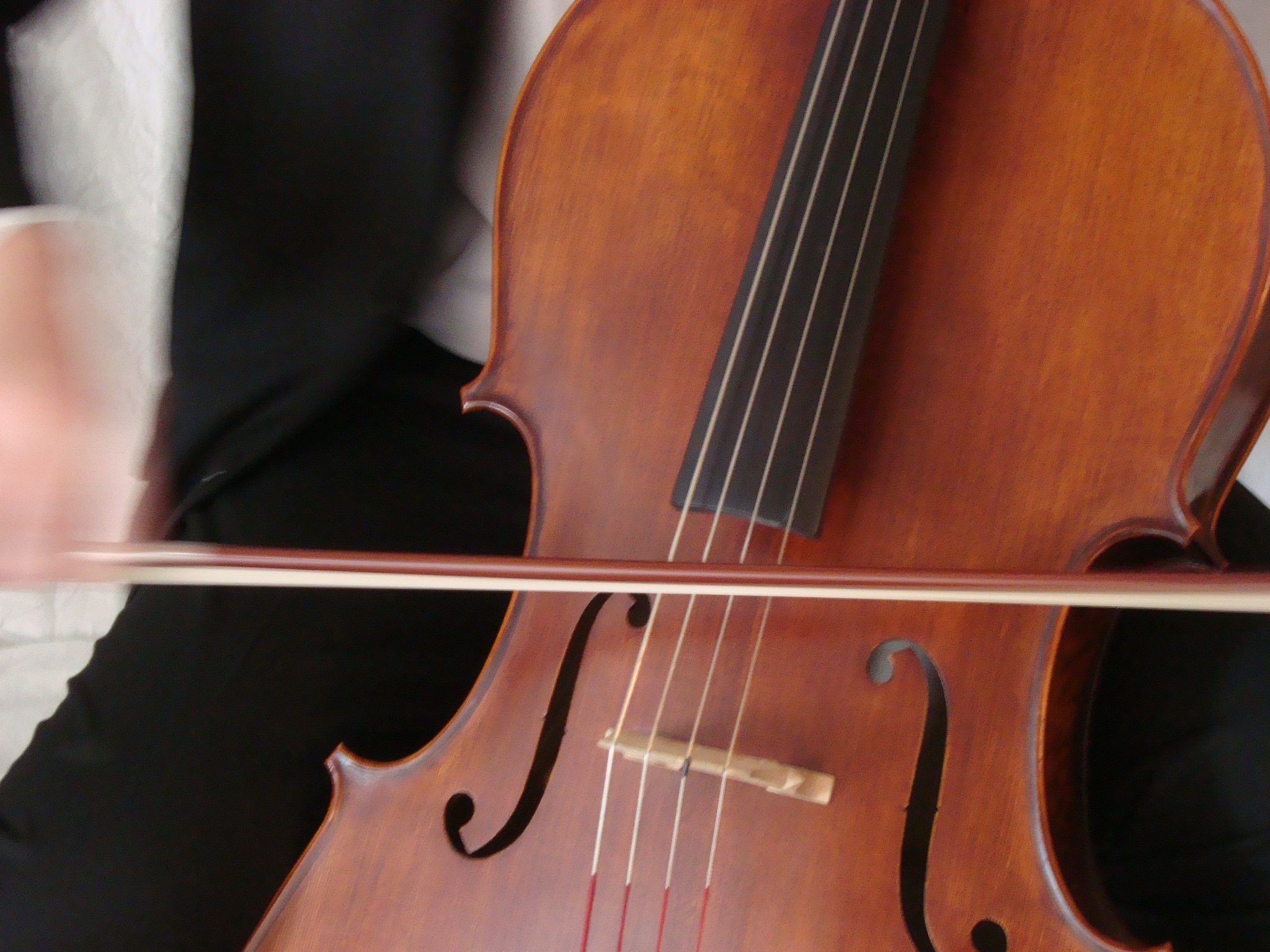
International Cello Day 2026: December 29, History, Pablo Casals & Cello Facts
International Cello Day 2026 falls on December 29, 2026. The informal observance celebrates the cello, cellists and cello music, and is associated with the birthday of celebrated cellist Pablo Casals, who was born on December 29, 1876.
International Cello Day 2026: Quick Facts
| Fact | Details |
|---|---|
| Date | December 29, 2026 |
| Day | Tuesday |
| Observance | International Cello Day |
| Instrument | Cello |
| Associated figure | Pablo Casals |
| Casals birth date | December 29, 1876 |
What Is International Cello Day?
International Cello Day is an informal annual observance held on December 29 to appreciate the cello and the musicians who play it. It provides an opportunity to listen to cello music, learn about the instrument and discover the history of major performers.
The date is linked with Pablo Casals, one of the most influential cellists of the 20th century. In 2026, December 29 also marks the 150th anniversary of Casals’ birth, giving the observance particular significance.
Who Was Pablo Casals?
Pablo Casals was a Catalan cellist, conductor, composer and teacher. He became internationally respected for his musicianship and for helping establish the cello as a major solo instrument. His interpretation of Johann Sebastian Bach’s cello suites became especially influential.
Casals was also known for his commitment to peace, freedom and humanitarian values. His legacy therefore extends beyond musical performance.
Why Is December 29 Important?
December 29 is Pablo Casals’ birthday. He was born in El Vendrell, Catalonia, in 1876. The connection between his birthday and International Cello Day makes the date an opportunity to remember his contribution while encouraging people to explore cello music.
What Is a Cello?
The cello is a bowed string instrument with four strings. It is larger than a violin and smaller than a double bass. A player normally holds the instrument upright with an endpin resting on the floor. Its rich, warm sound allows it to perform melodic, accompanying and bass roles.
Where Is the Cello Used?
- Solo classical performances
- Chamber music
- Symphony orchestras
- Film and television music
- Contemporary and crossover music
History of the Cello
The modern cello developed in Europe during the 16th and 17th centuries from earlier bowed string instruments. Over time, makers refined its size, shape and construction, while composers expanded its musical role. It eventually became a central instrument in orchestral and chamber repertoire.
Famous Cello Composers and Works
The cello has an extensive repertoire. Johann Sebastian Bach’s unaccompanied cello suites are among the best-known works for the instrument. Later composers such as Antonín Dvořák and Edward Elgar wrote major cello concertos that remain important parts of the concert repertoire.
How to Observe International Cello Day 2026
- Listen to a complete cello performance rather than only a short clip.
- Learn about Pablo Casals and his contribution to music.
- Compare the cello’s sound with violin and double bass.
- Attend a concert or watch an educational performance.
- Share a fact about the cello with students, friends or family.
International Cello Day Activity for Students
Students can create a one-page “Know Your Cello” project. Include a labelled picture, the four strings, how the instrument is held, its role in an orchestra and two famous cello works. Add a short paragraph about Pablo Casals and explain why December 29 is associated with the observance.
Cello Listening Challenge
Choose three recordings featuring the cello: one solo piece, one chamber performance and one orchestral work. After listening, write down the mood, volume, register and role of the cello in each recording. This simple exercise helps beginners understand how the same instrument can create very different musical effects.
Cello Careers and Skills
Learning the cello can develop listening, concentration, coordination, discipline and performance skills. People interested in music can explore careers in performance, teaching, composition, orchestration, music production, arts administration and instrument making or repair.
International Cello Day 2026 Wishes and Messages
- Happy International Cello Day 2026! May the beautiful sound of the cello inspire you.
- Celebrate the cello, the musicians who play it and the composers who gave it unforgettable music.
- May International Cello Day bring new appreciation for music, practice and artistic expression.
- On the 150th anniversary of Pablo Casals’ birth, let us remember his lasting musical and humanistic legacy.
Key Takeaways
- International Cello Day is observed on December 29.
- December 29 is associated with Pablo Casals’ birthday.
- Casals was born in 1876, making 2026 his 150th birth anniversary.
- The cello has four strings and is used in solo, chamber and orchestral music.
- The observance is informal rather than a UN-designated international day.
Practical Guide for Readers
This article brings together useful background and practical context about the event, observance or destination so readers can understand why it is relevant and what to consider.
Dates, schedules, venues and local arrangements can change. Readers should confirm current details with the relevant organiser, venue or authority before making travel or participation plans.
Frequently Asked Questions
When is International Cello Day 2026?
International Cello Day 2026 is observed on Tuesday, December 29.
Why is International Cello Day celebrated on December 29?
The date is associated with the birthday of Pablo Casals, the renowned Catalan cellist, conductor and composer.
What is special about International Cello Day 2026?
December 29, 2026 marks the 150th anniversary of Pablo Casals’ birth.
Is International Cello Day an official UN day?
No. It is an informal cultural and music observance, not a United Nations-designated international day.
How many strings does a cello have?
A standard cello has four strings, traditionally tuned in fifths.
Related Reading
Explore more cultural and important-day articles in our News section. You can also read about World Television Day 2026 and International Cinema Day 2026.
International Cello Day 2026: A Practical 10-Minute Activity
You do not need to play the cello to observe the day. This short activity works for students, music clubs and families.
- Look: Identify the cello’s body, fingerboard, bridge, strings and endpin.
- Listen: Hear a short solo cello performance and note whether the sound feels bright, dark, warm or dramatic.
- Compare: Listen to a violin and cello playing similar musical phrases and identify differences in pitch and tone.
- Research: Find three facts about Pablo Casals and write them in your own words.
- Create: Prepare a small poster or social message explaining why December 29 is associated with cello appreciation.
Cello Appreciation Checklist
- ☐ Learn the four-string layout.
- ☐ Listen to one solo cello recording.
- ☐ Learn one fact about Pablo Casals.
- ☐ Explore one famous cello composition.
- ☐ Share a respectful music appreciation message.
Cello vs Violin vs Double Bass
| Instrument | General role | Relative size |
|---|---|---|
| Violin | High melodic range | Smallest of the three |
| Cello | Melody, harmony and bass support | Medium-sized |
| Double bass | Deep bass foundation | Largest of the three |
This comparison is a useful starting point for beginners, although the exact musical role of an instrument can change according to the composition and ensemble.
What Makes Pablo Casals’ Legacy Important?
Casals helped raise the profile of the cello as a solo instrument and influenced generations of performers and teachers. His musical work, recordings, teaching and public commitment to peace make his legacy relevant beyond technical cello performance. The 150th anniversary of his birth in 2026 provides an additional reason to revisit that legacy.
Beginner Cello Learning Plan
Someone interested in learning the cello can begin with a simple progression rather than trying to master difficult repertoire immediately.
- Week 1: Learn the instrument’s parts, posture and basic care.
- Week 2: Practice open strings and develop a steady bow movement with guidance from a teacher.
- Week 3: Learn simple rhythms and short exercises while maintaining correct posture.
- Week 4: Perform a short beginner exercise and record the improvement for review.
Classroom Discussion Questions
- Why can one musical instrument have several different roles in an ensemble?
- How does regular practice develop skills beyond music?
- Why is Pablo Casals remembered both for music and for his humanitarian values?
- How can young people appreciate another culture’s music respectfully?
One-Page Cello Project Template
For a school or college assignment, include five parts: the cello’s basic structure, its place in the string family, a short history, three facts about Pablo Casals and one paragraph explaining the significance of December 29. Add one listening reflection at the end. This format gives students a clear finished task without requiring advanced musical knowledge.
Conclusion
International Cello Day 2026 offers a simple way to discover the history, sound and cultural importance of the cello. With the 150th anniversary of Pablo Casals’ birth falling on the same date, December 29, 2026 provides a particularly meaningful opportunity to explore his musical legacy and appreciate the generations of musicians who continue to play the cello.
Leave a Reply