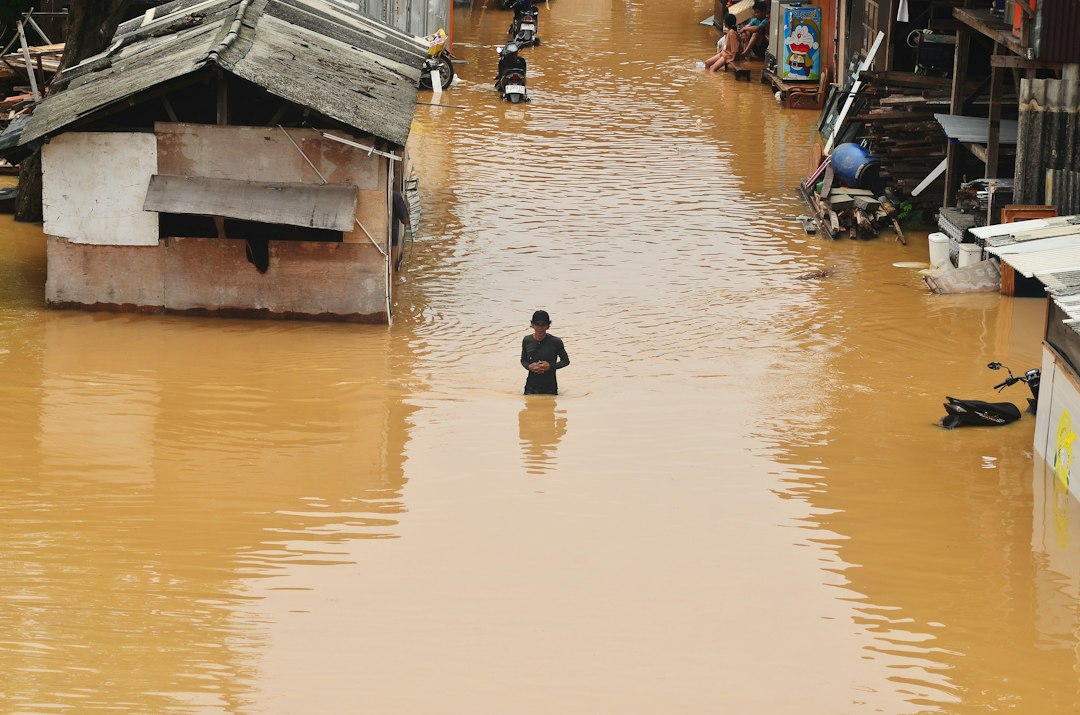
International Day for Disaster Risk Reduction 2026 will be observed on Tuesday, 13 October 2026. The United Nations observance promotes a shift from responding to disasters after they happen toward understanding risk, preventing new risks and reducing existing ones.
International Day for Disaster Risk Reduction 2026 Overview
| Date | 13 October 2026 |
|---|---|
| Day | Tuesday |
| Observed by | United Nations and countries worldwide |
| Focus | Disaster risk prevention, reduction and resilience |
| Global framework | Sendai Framework for Disaster Risk Reduction 2015–2030 |
What Is the International Day for Disaster Risk Reduction?
The International Day for Disaster Risk Reduction, often shortened to IDDRR, is observed annually on October 13. It raises awareness that hazards do not automatically have to become disasters. The scale of harm depends on exposure, vulnerability, preparedness, infrastructure, planning and many other factors that societies can influence.
The observance encourages governments, communities, institutions, businesses and individuals to take practical steps before emergencies occur.
History of the Observance
The United Nations General Assembly designated an international day focused on natural disaster reduction in 1989. The annual October 13 observance later became known as the International Day for Disaster Risk Reduction, reflecting the broader understanding that reducing vulnerability and exposure is central to preventing disaster losses.
What Is Disaster Risk Reduction?
Disaster risk reduction means preventing new disaster risk, reducing existing risk and managing residual risk in ways that strengthen resilience. It involves much more than emergency response.
Examples include safer construction, land-use planning, early-warning systems, risk-informed infrastructure, environmental management, public education, evacuation planning and protection of critical services.
The Sendai Framework 2015–2030
The Sendai Framework for Disaster Risk Reduction 2015–2030 is the major global agreement guiding disaster-risk reduction. Adopted in 2015, it identifies four priorities: understanding disaster risk; strengthening disaster-risk governance; investing in risk reduction for resilience; and enhancing preparedness for effective response while building back better during recovery and reconstruction.
Why Prevention Matters
Emergency services are essential when disasters occur, but many losses can be reduced through decisions made years or even decades earlier. Where buildings are constructed, how drainage is designed, whether warning systems reach everyone and whether hospitals and utilities can continue operating during emergencies all influence outcomes.
Risk reduction therefore needs to be incorporated into development planning rather than treated only as an emergency-management activity.
Early Warning Systems
Timely warnings can save lives when they are accurate, understandable and connected to practical action. An effective warning system involves risk knowledge, monitoring and forecasting, communication and preparedness to respond.
A warning that people do not receive, understand or trust is less useful. Systems should therefore consider language, disability access, connectivity and the needs of remote and vulnerable communities.
Climate and Disaster Risk
Weather- and climate-related hazards can interact with rapid urbanization, environmental degradation, poverty and vulnerable infrastructure. Disaster-risk reduction and climate adaptation often overlap because both seek to reduce exposure and vulnerability and strengthen resilience.
Communities may need to prepare for heat, intense rainfall, floods, cyclones, drought and other hazards relevant to their local context.
Disaster Risk Reduction in India
India faces a range of hazards including cyclones, floods, earthquakes, landslides, drought, heatwaves and other emergencies. National, state and district authorities have roles in preparedness, mitigation and response, while local institutions and communities are essential to last-mile implementation.
For individuals, official alerts and instructions from authorized disaster-management, weather and local government agencies should take priority over unverified social-media messages during emergencies.
Role of Schools and Colleges
Educational institutions can strengthen preparedness by maintaining evacuation procedures, conducting appropriate drills, identifying safe assembly points and teaching students how to respond to locally relevant hazards.
Activities should be practical and age-appropriate. Students can also learn how geography, engineering, communications, public administration and environmental science contribute to disaster-risk reduction.
Workplace Preparedness
Organizations should understand hazards relevant to their premises and operations. Emergency contacts, evacuation routes, backup arrangements, first-aid readiness and business-continuity planning can help reduce disruption.
Preparedness plans should account for employees and visitors with disabilities and should be reviewed periodically rather than remaining unused documents.
Household Preparedness
Families can identify local hazards, know official emergency contacts, discuss meeting points, keep essential documents protected and understand how to receive official warnings. Emergency supplies should be appropriate to local risks and household needs.
Preparedness does not mean panic or stockpiling excessively. The aim is to make sensible arrangements that help people respond more effectively if normal services are disrupted.
Infrastructure and Resilience
Roads, bridges, hospitals, schools, power networks, water systems and telecommunications are critical during emergencies. Damage to one system can affect many others. Risk-informed infrastructure planning therefore considers hazards throughout design, construction, operation and maintenance.
Inclusive Disaster Risk Reduction
Disasters do not affect everyone equally. Older people, children, people with disabilities, low-income households and communities with limited access to services may face additional barriers. Inclusive planning involves these groups in decisions and ensures warnings, shelters, evacuation and recovery measures are accessible.
How to Observe International Day for Disaster Risk Reduction 2026
- Learn about the hazards relevant to your area.
- Check how official emergency alerts are communicated.
- Review evacuation and emergency-contact plans.
- Conduct appropriate preparedness drills at schools or workplaces.
- Discuss accessible warning systems and inclusive evacuation.
- Study the Sendai Framework and local disaster-management plans.
- Share verified preparedness information instead of rumours.
Messages for Disaster Risk Reduction Day 2026
Reduce risk before disaster strikes. Prepared communities are stronger communities.
Early warning works best when everyone can receive, understand and act on it.
Resilience begins with understanding risk and making safer decisions today.
Disaster preparedness is a shared responsibility across institutions, communities and households.
Short Slogans
- Know the risk, reduce the risk.
- Prevention today protects tomorrow.
- Early warning, early action.
- Build safer, plan smarter.
- Resilience starts before disaster.
- Prepared communities save lives.
Frequently Asked Questions
When is International Day for Disaster Risk Reduction 2026?
It is observed on Tuesday, 13 October 2026.
Is the observance held every year?
Yes. The International Day for Disaster Risk Reduction is observed annually on October 13.
What does disaster risk reduction mean?
It refers to preventing new disaster risk, reducing existing risk and managing remaining risk to strengthen resilience.
What is the Sendai Framework?
The Sendai Framework for Disaster Risk Reduction 2015–2030 is a global agreement that guides efforts to prevent and reduce disaster risk and losses.
Why are early-warning systems important?
They can give people and institutions time to take protective action when warnings are timely, understandable and linked to preparedness.
How can schools participate?
Schools can review emergency plans, conduct appropriate drills, teach hazard awareness and ensure evacuation arrangements are inclusive.
What should people trust during an emergency?
Use alerts and instructions from authorized government, disaster-management, weather and emergency agencies rather than unverified social-media posts.
What is the official 2026 theme?
Readers should use the United Nations Office for Disaster Risk Reduction’s current 2026 campaign materials for any official annual theme rather than relying on unsourced theme lists.
Explore More on CareerSphere
Read more CareerSphere News, browse Latest Jobs, and visit the CareerSphere homepage.
Final Note
International Day for Disaster Risk Reduction 2026 is a reminder that disaster losses are shaped not only by hazards but also by the choices societies make about development, infrastructure, preparedness and inclusion. Understanding risk and acting before emergencies occur can help protect lives, livelihoods and essential services.
Leave a Reply