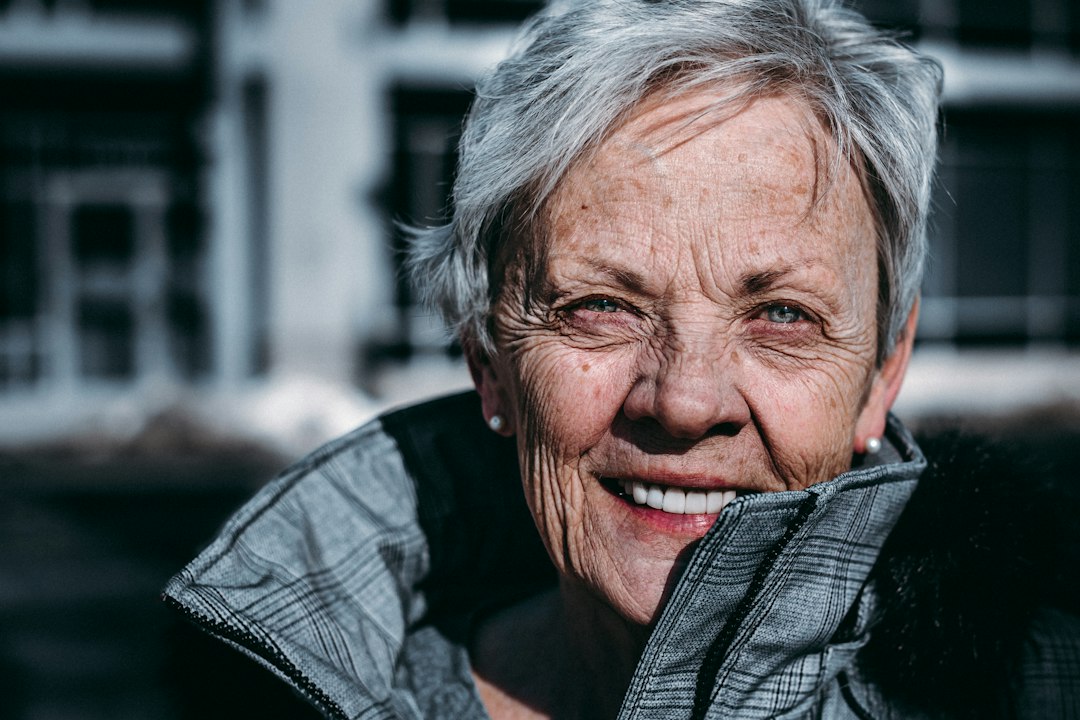
International Day of Older Persons 2026 will be observed on Thursday, 1 October 2026. The United Nations observance draws attention to the rights, dignity, health, participation and contributions of older people. For 2026, the theme is “The Age of Longevity: Rethinking Systems for Longer Lives.”
International Day of Older Persons 2026 Overview
| Date | 1 October 2026 |
|---|---|
| Day | Thursday |
| 2026 Theme | The Age of Longevity: Rethinking Systems for Longer Lives |
| Established by | United Nations General Assembly |
| Purpose | Promote dignity, rights, healthy ageing and inclusion of older persons |
What Is the International Day of Older Persons?
The United Nations General Assembly designated 1 October as the International Day of Older Persons in 1990 through resolution 45/106. The observance encourages governments, communities, institutions and families to consider how societies can support people throughout longer lives.
Population ageing is transforming health systems, workplaces, cities, transport, social protection and family life. The day also recognizes that older people are not simply recipients of care: they are workers, caregivers, mentors, volunteers, community leaders and holders of knowledge and experience.
International Day of Older Persons 2026 Theme
The 2026 theme, “The Age of Longevity: Rethinking Systems for Longer Lives,” focuses on adapting systems to a world in which people are living longer. The World Health Organization is marking the day with a dialogue on how longer lives can also become healthier lives, with dignity and meaningful participation.
Why Healthy Ageing Matters
Living longer is an important human achievement, but added years should ideally be accompanied by health, security and opportunities to participate. Age-friendly healthcare, preventive care, accessible public spaces, financial security, social connection and protection from discrimination all influence quality of life in older age.
Rights and Dignity of Older Persons
Older persons should be able to participate in decisions affecting their lives. Respecting autonomy means listening to individual preferences rather than assuming that age alone determines ability or need. Protection against neglect, abuse, exploitation and age discrimination is equally important.
How Communities Can Become More Age-Friendly
- Improve accessibility in buildings, roads and public transport.
- Provide clear and accessible information about public services.
- Encourage social participation and intergenerational programmes.
- Support lifelong learning and digital inclusion.
- Strengthen primary healthcare and long-term care systems.
- Recognize and prevent age discrimination.
Role of Families
Families can support older relatives through respectful communication, regular social contact and practical assistance when requested. Support should preserve independence wherever possible. Helping someone use digital services, attend appointments or understand financial and public-service information can make everyday life easier without taking away personal choice.
Role of Young People
Intergenerational relationships benefit both younger and older people. Students can record oral histories, volunteer with community organizations, teach digital skills or simply spend time listening to older family and community members. Such activities challenge stereotypes and build mutual understanding.
Ideas for Schools and Colleges
- Conduct an awareness programme on ageism and respectful language.
- Invite older community members to share life and career experiences.
- Organize digital-literacy support sessions.
- Create posters on healthy and active ageing.
- Discuss accessibility in local public spaces.
- Run intergenerational cultural or storytelling activities.
Workplace Ideas
Employers can examine whether recruitment, training and workplace practices unintentionally disadvantage people because of age. Flexible work, accessible technology, continuous learning and opportunities for mentoring can help create age-inclusive workplaces.
Messages and Wishes
Warm wishes on International Day of Older Persons 2026. May every generation enjoy dignity, respect, security and opportunity.
Let us value experience, listen to older voices and build communities where people can thrive throughout longer lives.
On October 1, celebrate the knowledge, resilience and contributions older persons bring to families and society.
Short Slogans
- Respect has no age limit.
- Longer lives, stronger communities.
- Listen to older voices.
- Age with dignity, live with opportunity.
- Build a society for every age.
Frequently Asked Questions
When is International Day of Older Persons 2026?
It is observed on 1 October 2026.
What day does October 1 fall on in 2026?
It falls on a Thursday.
What is the 2026 theme?
The 2026 theme is “The Age of Longevity: Rethinking Systems for Longer Lives.”
Who established the observance?
The United Nations General Assembly designated October 1 as the International Day of Older Persons in 1990.
Why is the day important?
It highlights older persons’ rights, dignity, well-being, participation and contributions while drawing attention to the implications of population ageing.
How can schools participate?
Schools can organize awareness sessions, storytelling programmes, accessibility discussions and intergenerational activities.
What does healthy ageing mean?
Healthy ageing broadly focuses on maintaining the abilities and environments that enable well-being as people grow older.
How can individuals support older people?
Listen respectfully, challenge age discrimination, encourage inclusion and offer practical support while respecting independence and personal choice.
Explore More
Follow CareerSphere News, browse Latest Jobs, and visit the CareerSphere homepage.
Final Note
International Day of Older Persons 2026 is an opportunity to think beyond longevity alone. Longer lives call for systems that support health, rights, security, participation and dignity across every stage of life.
Leave a Reply