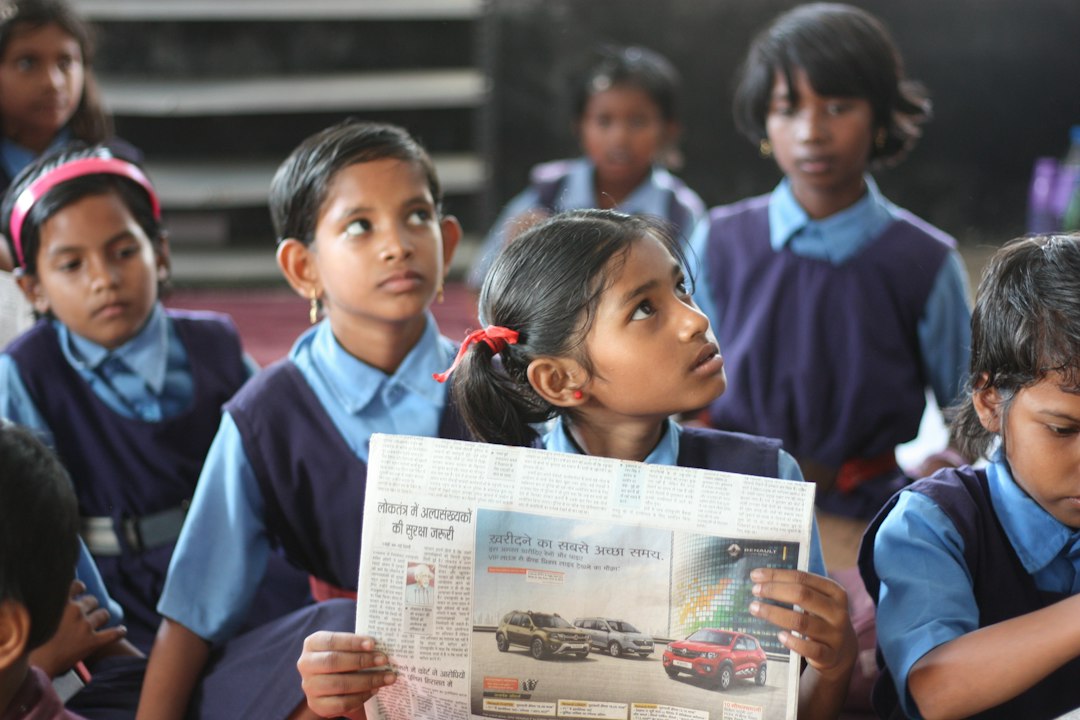
International Day of the Girl Child 2026 will be observed on Sunday, 11 October 2026. The official 2026 theme is “End child marriage and invest in girls’ rights.” The theme was developed through consultations with girls, girl-led networks, civil society organizations and United Nations partners, according to UNICEF and the United Nations.
International Day of the Girl Child 2026 Overview
| Date | 11 October 2026 |
|---|---|
| Day | Sunday |
| 2026 Theme | End child marriage and invest in girls’ rights |
| UN Resolution | 66/170 |
| First observed | 2012 |
| Main focus | Girls’ rights, opportunities, participation and protection |
What Is the International Day of the Girl?
Observed every year on October 11, the International Day of the Girl is a global occasion to recognize girls’ rights and highlight the challenges that can restrict their choices and opportunities. The day also provides a platform for girls’ voices, leadership and participation.
Official Theme for 2026
The 2026 theme, “End child marriage and invest in girls’ rights,” calls attention to child marriage and to the broader need for sustained investment in girls’ education, health, protection, participation and opportunities. UNICEF says the theme emerged from consultations that included girls themselves and girl-led organizations.
History of International Day of the Girl Child
On 19 December 2011, the United Nations General Assembly adopted Resolution 66/170 declaring October 11 as the International Day of the Girl Child. The observance has been marked annually since 2012.
The UN traces the broader international recognition of girls’ rights to milestones including the 1995 Beijing Declaration and Platform for Action, which specifically addressed the rights and needs of girls.
Why Girls’ Rights Matter
Girls should have the opportunity to learn, grow, participate in decisions and shape their own futures. Yet barriers such as child marriage, violence, discrimination, interrupted education, poverty and unequal access to opportunities continue to affect girls in many parts of the world.
Addressing these barriers requires coordinated work by families, communities, schools, institutions and governments. It also requires listening to girls and ensuring that initiatives intended for them include their perspectives.
Understanding Child Marriage
Child marriage generally refers to a marriage or union involving a person under the age of 18. UNICEF and other international organizations have documented how early marriage can interrupt education and limit future opportunities while increasing health, protection and economic risks.
The 2026 campaign emphasizes that ending child marriage is connected with broader investments in girls’ rights. Education, safety, economic opportunity, access to appropriate health services and meaningful participation can all influence a girl’s ability to make choices about her future.
Education and Opportunity
Education can expand future study and employment opportunities while strengthening knowledge, confidence and participation. Keeping girls in school requires more than enrolment: safe learning environments, appropriate sanitation, protection from violence and discrimination, accessible transport and family and community support can all matter.
Digital skills, science, technology, engineering and mathematics education, financial literacy and career guidance can further widen pathways available to adolescent girls.
Girls’ Leadership and Participation
The International Day of the Girl is not only about describing challenges. UNICEF frames the day as a moment to amplify girls’ voices, actions and leadership. Girls should have age-appropriate opportunities to contribute to decisions in schools, communities and programmes that directly affect them.
Participation is most meaningful when adults and institutions listen seriously and create safe ways for girls from different backgrounds to be represented.
Safety, Dignity and Protection
Every child has the right to protection from violence, exploitation and harmful practices. Creating safer environments requires prevention, accessible reporting systems, appropriate safeguarding and support services that respect privacy and dignity.
Online safety has also become increasingly important. Digital spaces can support learning and connection, but young people may encounter harassment, exploitation, misinformation or privacy risks. Digital literacy and age-appropriate safety education can help girls navigate online environments more confidently.
Role of Families
Families can support girls by valuing education, listening to their ambitions, sharing responsibilities fairly and encouraging informed career choices. Everyday decisions about schooling, mobility, nutrition, healthcare and participation can have long-term effects.
Encouraging girls to ask questions, develop practical skills and make age-appropriate decisions can strengthen confidence and independence.
Role of Schools and Colleges
Educational institutions can use October 11 to create thoughtful, age-appropriate activities focused on rights, equality, education and leadership. Schools should avoid treating girls merely as recipients of programmes; students can be invited to help design activities and identify issues important to them.
Activity Ideas
- Student-led discussions on girls’ education and opportunities.
- Career-awareness sessions featuring women from different professions.
- Poster or essay competitions on the 2026 theme.
- Digital-safety and financial-literacy workshops.
- Science, technology and innovation exhibitions led by girls.
- Sessions explaining child rights and available support systems.
- Community projects designed with girls’ participation.
Skills and Career Development
Investment in girls’ rights also includes helping young people build the skills needed for future education and employment. Communication, problem-solving, digital literacy, financial awareness and career exploration can complement formal education.
Career guidance should expose students to a broad range of options without reinforcing stereotypes about which fields are “appropriate” for girls or boys.
International Day of the Girl Child 2026 Messages
On International Day of the Girl 2026, support every girl’s right to learn, grow, participate and shape her own future.
End child marriage and invest in girls’ rights—education, dignity, safety and opportunity belong to every girl.
Listen to girls, value their ideas and create opportunities for their leadership to grow.
When girls have access to education, skills and safe opportunities, they can make informed choices about their futures.
Short Slogans for International Day of the Girl 2026
- Girls’ rights are human rights.
- End child marriage, expand opportunity.
- Invest in girls, invest in the future.
- Let girls learn, lead and choose.
- Listen to girls and value their voices.
- Education opens doors to opportunity.
- Every girl deserves dignity and choice.
How Communities Can Participate
Community organizations can host educational sessions, mentoring programmes and skills workshops while ensuring that safeguarding and inclusion remain central. Programmes should include girls from different socioeconomic backgrounds and take account of disability, geography and other barriers that may affect participation.
Community action is most useful when it addresses practical needs rather than limiting observance to ceremonial events.
Social Media and Awareness
Schools and organizations can share accurate information about the official 2026 theme and highlight constructive local initiatives. Posts involving children should follow appropriate consent, privacy and safeguarding practices. Avoid sharing identifying information or images in ways that could put a child at risk.
International Day of the Girl Child 2026: Key Facts and Statistics
- Observed: 11 October every year.
- 2026 date: Sunday, 11 October 2026.
- 2026 theme: “End child marriage and invest in girls’ rights.”
- UN resolution: UN General Assembly Resolution 66/170, adopted on 19 December 2011.
- First observed: 2012.
- Child marriage: Marriage or informal union before age 18.
Child Marriage: What the 2026 Campaign Highlights
UNICEF’s 2026 campaign says an estimated one in five girls are married before age 18 globally, representing about 650 million women and girls alive today who were married in childhood. UNICEF also reports that more than 12 million girls are married before reaching adulthood each year.
These figures show why the 2026 theme links ending child marriage with broader investment in girls’ rights. Keeping girls in school, expanding access to health and protection services, challenging harmful social norms and supporting girls’ leadership are among the approaches highlighted by UNICEF.
Progress Is Possible
The global picture is not only about challenges. UNICEF reports that an estimated 68 million child marriages have been averted over the past 25 years, showing that sustained investment in girls, education, legal reform and social protection can contribute to measurable progress.
For students preparing for competitive examinations, the key point is to remember the 2026 theme, the October 11 observance date, Resolution 66/170 and the connection between ending child marriage and investing in girls’ rights.
International Day of the Girl Child 2026: India Connection
Child marriage remains an important child-rights issue in India as well. UNICEF India states that child marriage affects children’s rights to education, health and protection and notes that girls are disproportionately affected. India has made progress in reducing the prevalence of child marriage, but continued action is needed to protect children and expand opportunities for adolescent girls.
Awareness efforts in India can therefore connect the 2026 international theme with practical priorities such as keeping girls in school, preventing child marriage, strengthening child-protection systems, improving access to health and nutrition services, developing skills and ensuring that girls can participate safely in decisions affecting their lives.
Frequently Asked Questions
When is International Day of the Girl Child 2026?
It is observed on Sunday, 11 October 2026.
What is the official 2026 theme?
The official theme is “End child marriage and invest in girls’ rights.”
Who announced the 2026 theme?
UNICEF and the United Nations list the theme in their official 2026 International Day of the Girl materials.
When did the United Nations establish the day?
The UN General Assembly adopted Resolution 66/170 on 19 December 2011, declaring October 11 as the International Day of the Girl Child.
When was the day first observed?
The first International Day of the Girl was observed in 2012.
Why is child marriage a focus in 2026?
The 2026 campaign calls for urgent action to end child marriage while investing more broadly in girls’ rights and opportunities.
How can schools observe the day?
Schools can organize student-led discussions, career sessions, rights-awareness programmes, competitions, skills workshops and activities connected with the official theme.
What is the purpose of International Day of the Girl?
The day focuses attention on challenges girls face while promoting their rights, empowerment, participation and opportunities.
Explore More on CareerSphere
Read more CareerSphere News, browse Latest Jobs, and visit the CareerSphere homepage.
Final Note
International Day of the Girl Child 2026 focuses on a clear call: end child marriage and invest in girls’ rights. October 11 offers an opportunity to move beyond symbolic celebration by listening to girls, protecting their rights and expanding access to education, skills, safety and meaningful participation.
Leave a Reply