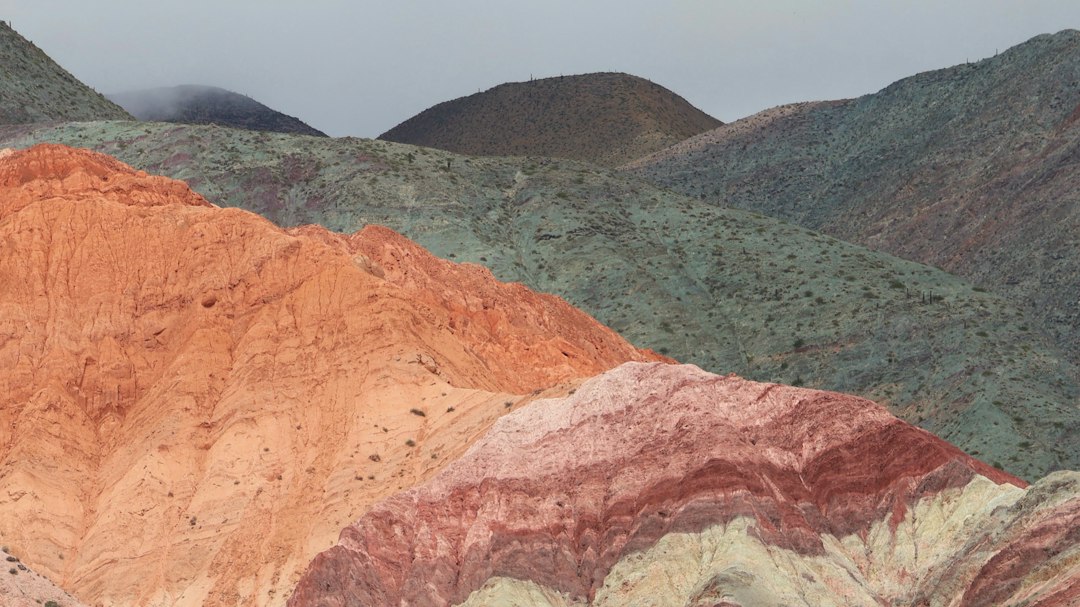
International Geodiversity Day 2026 will be observed on Tuesday, October 6, 2026. Proclaimed by UNESCO, the day raises awareness of the extraordinary variety of rocks, minerals, fossils, soils, landforms and natural processes that shape our planet and support life. Geodiversity is sometimes described as biodiversity’s “silent partner” because ecosystems depend on the physical Earth beneath them.
For students, International Geodiversity Day is a useful opportunity to connect geography, geology, environmental science, climate studies and sustainable development. From the soil that produces food to minerals used in smartphones and renewable-energy technologies, geodiversity is present in everyday life.
International Geodiversity Day 2026: Quick Facts
| Date | October 6, 2026 |
| Day | Tuesday |
| Observed every year | October 6 |
| Proclaimed by | UNESCO General Conference |
| Approved | 2021 |
| First observance | 2022 |
| Administered by | UNESCO International Geoscience and Geoparks Programme |
| Main purpose | Awareness of geodiversity, geoscience, geoheritage and sustainable management of Earth resources |
What Is Geodiversity?
Geodiversity refers to the variety of non-living natural features and processes of Earth. It includes minerals, rocks, fossils, sediments, soils, mountains, valleys, caves, rivers, lakes and other landforms, together with the geological and hydrological processes that create and modify them.
Just as biodiversity describes the variety of living organisms, geodiversity describes the physical foundation on which those organisms live. Different rocks weather into different soils; landscapes influence water movement; landforms create habitats; and geological processes continually reshape Earth.
When Is International Geodiversity Day 2026?
International Geodiversity Day is observed every year on October 6. In 2026, the date falls on a Tuesday. UNESCO lists October 6 among its official international days and uses the observance to improve public understanding of Earth processes and the role of geoscience in sustainable societies.
October also contains several environment and science-related observances. CareerSphere readers can explore our guide to World Space Week 2026, which runs from October 4 to 10.
History of International Geodiversity Day
The proposal for an International Geodiversity Day received support from the International Union of Geological Sciences and more than one hundred scientific organisations. UNESCO’s General Conference approved the observance in November 2021, proclaiming October 6 of every year as International Geodiversity Day.
The decision recognised that greater awareness and education in geodiversity and geoscience can help address major challenges including natural-resource management, climate change, energy, sustainable development, biodiversity loss, freshwater supply and food security.
The International Geoscience and Geoparks Programme is responsible for administering the observance. UNESCO encourages governments, universities, research centres, schools, scientific organisations and communities to take part through educational and awareness activities.
International Geodiversity Day 2026 Theme
UNESCO’s official International Geodiversity Day page confirms the 2026 observance and its purpose, but readers should be careful with websites that publish an annual slogan without an authoritative announcement. CareerSphere does not present an unofficial phrase as the official 2026 theme.
The core focus remains clear: understanding geodiversity, protecting geological heritage and using geoscience knowledge to support sustainable solutions. If UNESCO announces a specific 2026 campaign theme, this article can be updated with the official wording.
Why Is Geodiversity Important?
Modern societies depend heavily on Earth materials. Stone, sand, clay and minerals are used to build homes, roads and cities. Metals and other mineral resources are needed for electronics, transport, electricity networks, solar panels and wind turbines. Soils and water systems support agriculture and food production.
Geodiversity also influences landscapes that support tourism, culture and recreation. Mountains, caves, waterfalls, canyons, coastlines and unusual rock formations can become defining features of local identity. Protecting important geological sites preserves evidence of Earth’s history for future generations.
Geodiversity and Biodiversity
Geodiversity and biodiversity are closely connected. Soil chemistry affects which plants can grow in a location. Rocks and landforms influence drainage and groundwater. Elevation and slope affect temperature, moisture and exposure. Caves, cliffs and wetlands provide specialised habitats.
Protecting living species therefore often requires understanding the physical environment that supports them. UNESCO highlights this connection as one reason geoscience deserves greater public attention.
Geodiversity and Climate Change
Geoscience helps researchers understand Earth’s past climates and the physical processes that shape present-day landscapes. Geological records can preserve evidence of ancient environmental change. Understanding erosion, sediment movement, groundwater and coastal processes can also help communities assess environmental risks.
Geological knowledge contributes to planning for hazards such as landslides, volcanic activity, earthquakes and coastal erosion. It can also support responsible decisions about resources needed for the transition to lower-carbon energy systems.
Geodiversity in Everyday Life
A useful way to teach geodiversity is to ask students to examine ordinary objects. A building contains stone, cement, sand, metals and glass derived from geological resources. Mobile phones contain numerous mineral-derived materials. Roads require aggregates and bitumen. Agriculture depends on soil and water, while some energy systems rely on geothermal resources.
This does not mean resources should be extracted without limits. International Geodiversity Day encourages understanding so societies can make informed decisions about sustainable and ethical management of Earth materials.
UNESCO Global Geoparks
UNESCO Global Geoparks are areas with geological heritage of international significance that are managed through an integrated approach involving protection, education and sustainable development. They can help communities connect geological heritage with education, tourism and local development.
Geoparks are particularly valuable for teaching because they allow visitors to see Earth history in landscapes rather than only reading about it in textbooks. Fossils, volcanic formations, rock layers, caves and other features can become outdoor classrooms.
International Geodiversity Day 2026 Activities for Schools
- Rock and mineral display: Create a labelled collection explaining common specimens and their uses.
- Local geology walk: Observe rocks, soils and landforms around the school with appropriate supervision.
- Poster competition: Illustrate how geodiversity supports biodiversity and human life.
- Soil experiment: Compare texture, drainage and colour in different soil samples.
- Geography quiz: Include minerals, rocks, fossils, landforms and Earth processes.
- Geoheritage project: Research an important geological site in India or elsewhere.
- Disaster-awareness session: Explain how geology contributes to understanding earthquakes and landslides.
- Recycling discussion: Examine how responsible consumption can reduce pressure on mineral resources.
International Geodiversity Day 2026 Speech
Good morning everyone. Today, October 6, we observe International Geodiversity Day. UNESCO created this international day to help people understand the importance of the non-living parts of nature—our rocks, minerals, fossils, soils, mountains, rivers and landscapes.
Geodiversity supports almost every part of our lives. Soil helps us grow food. Geological materials are used to build our homes and roads. Minerals are found in the devices and technologies we use every day. Landscapes also provide habitats for plants and animals.
Understanding the Earth helps us use its resources responsibly and prepare for natural hazards. As students, we can begin by observing the land around us, learning how rocks and soils form, and understanding why geological heritage deserves protection. International Geodiversity Day reminds us that caring for nature means protecting both living organisms and the physical Earth that supports them. Thank you.
Wishes and Messages
- Happy International Geodiversity Day 2026! Let us discover, understand and protect the remarkable Earth beneath our feet.
- Every rock layer tells a story. Let us preserve Earth’s geological heritage for future generations.
- From mountains to minerals and soils to rivers, geodiversity supports life in countless ways.
- Celebrate October 6 by learning something new about the planet we call home.
- Protecting nature includes protecting the landscapes and geological processes that sustain ecosystems.
- May International Geodiversity Day inspire curiosity about Earth science and responsible use of natural resources.
Short Captions and WhatsApp Status
- October 6 🌍 International Geodiversity Day 2026
- Discover the Earth beneath your feet.
- Rocks tell Earth’s story.
- Geodiversity supports biodiversity.
- Understand Earth. Protect our future.
- Celebrate our planet’s geological heritage.
Essay Points for Students
A student essay can begin by defining geodiversity and giving examples such as rocks, minerals, fossils, soils and landforms. The next section can explain that UNESCO proclaimed October 6 as International Geodiversity Day in 2021. Students can then discuss how geodiversity supports agriculture, construction, technology, biodiversity and water systems.
The essay can conclude by explaining why geological resources should be used responsibly and why education about Earth processes is important for sustainable development and disaster-risk awareness.
GK Questions and Answers
When is International Geodiversity Day?
It is observed every year on October 6.
Which organisation proclaimed International Geodiversity Day?
UNESCO proclaimed the day through its General Conference.
When was International Geodiversity Day approved?
It was approved in November 2021.
What does geodiversity include?
It includes rocks, minerals, fossils, soils, sediments, landforms, water features and the natural processes that shape them.
Which UNESCO programme administers the observance?
The International Geoscience and Geoparks Programme.
How is geodiversity related to biodiversity?
Geodiversity provides soils, landscapes, water systems and physical habitats that support living organisms and ecosystems.
Frequently Asked Questions
When is International Geodiversity Day 2026?
International Geodiversity Day 2026 is on Tuesday, October 6.
Why do we celebrate International Geodiversity Day?
The day raises awareness of geodiversity’s benefits to society and encourages sustainable management of geological resources and heritage.
What is the difference between geodiversity and biodiversity?
Biodiversity refers to the variety of living organisms, while geodiversity concerns non-living natural features such as rocks, minerals, soils, fossils, landforms and geological processes.
What are examples of geodiversity?
Mountains, caves, rock formations, fossils, soils, rivers, minerals, coastlines and geological structures are examples.
How can students celebrate the day?
Students can organise rock displays, geology walks, quizzes, posters, soil experiments, geoheritage projects and discussions about responsible resource use.
Is there an official 2026 theme?
UNESCO confirms the October 6 observance and its core purpose. CareerSphere will only label a specific 2026 slogan as official when it is published by an authoritative organiser.
International Geodiversity Day 2026: Ideas for Schools
Geodiversity is the variety of rocks, minerals, fossils, soils, landforms and geological processes that shape landscapes. An International Geodiversity Day programme can therefore combine earth science with local observation. Students can examine a geological map, identify common rock types, research a local landform or create a timeline showing how landscapes change over geological time.
Teachers can also connect geodiversity with practical subjects. Soil supports agriculture, geological materials are used in construction and industry, and geological processes influence water resources and natural hazards. These connections help students see that geology is not limited to collecting rocks; it is part of how landscapes and human environments function.
Responsible Geological Activities
Field activities should respect protected areas and private property. Students should not remove specimens from restricted sites or damage rock surfaces. Photography, sketches and observation are often enough for an educational project. Where a scientific claim is made, students should record the source and distinguish an observation from an interpretation.
Related CareerSphere Guides
Explore World Architecture Day 2026, World Migratory Bird Day 2026 and World Science Day for Peace and Development 2026.
Conclusion
International Geodiversity Day 2026 on October 6 reminds us that the non-living Earth is essential to life, society and sustainable development. Rocks, minerals, soils, water and landscapes provide resources, shape ecosystems and preserve evidence of our planet’s long history.
For students, the day is an invitation to look more closely at the world beneath their feet. Understanding geodiversity can lead to better decisions about resources, hazards, climate resilience and conservation—and help ensure that Earth’s geological heritage remains available for future generations.
Leave a Reply