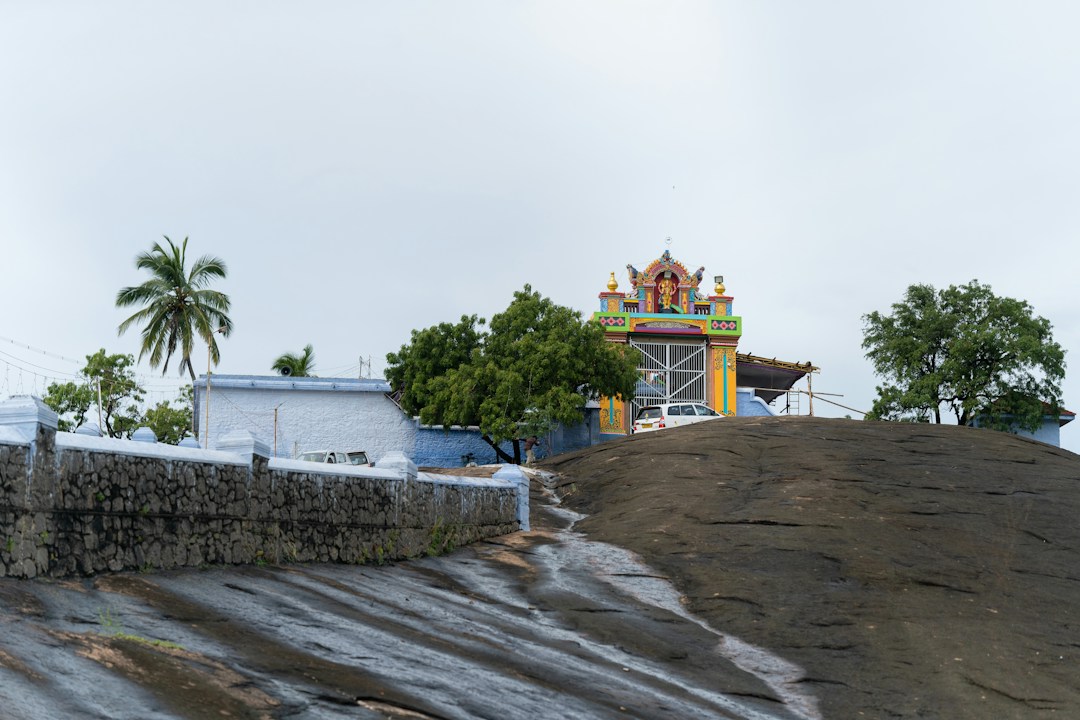
Kandha Sashti 2026: Dates, Fasting, Soorasamharam & Murugan Temple Observances
Kandha Sashti 2026, also called Skanda Sashti, is the major annual six-day observance dedicated to Lord Murugan. In 2026, the Kandha Sashti fasting period begins on Tuesday, November 10, and the main Soorasamharam observance falls on Sunday, November 15. The exact observance can vary by temple and local panchangam.
For related Tamil Nadu observances, readers can also see our guides to Aippasi Masam 2026 and Aippasi Annabhishekam 2026.
Kandha Sashti 2026 Dates
| Event | Date | Day |
|---|---|---|
| Kandha Sashti fasting begins | November 10, 2026 | Tuesday |
| Sixth-day Sashti / Soorasamharam | November 15, 2026 | Sunday |
| Thiru Kalyanam | November 16, 2026 | Monday |
What is Kandha Sashti?
Kandha Sashti is a six-day Murugan observance associated with the Shukla Paksha Sashti of the lunar month of Kartika. It is particularly important among Tamil Hindus. Devotees traditionally undertake fasting, prayer, temple worship and devotional activities during the six-day period.
The observance also has a strong cultural and community dimension in Tamil Nadu, where Murugan temples conduct special programmes. The most prominent public observances can attract large crowds, especially on the day of Soorasamharam.
Kandha Sashti is a six-day Murugan observance associated with the Shukla Paksha Sashti of the lunar month of Kartika. It is particularly important among Tamil Hindus. Devotees traditionally undertake fasting, prayer and temple worship during the six-day period.
When is Soorasamharam 2026?
Soorasamharam 2026 is observed on Sunday, November 15. It marks the culmination of the six-day Kandha Sashti observance and commemorates, in Hindu tradition, Lord Murugan’s victory over Surapadman. The following day is associated with Thiru Kalyanam in the traditional festival sequence.
Kandha Sashti Fasting 2026
Devotees observe the fast according to their personal practice and the rules followed by their temple or tradition. Some undertake a strict fast, while others follow modified forms of fasting. Anyone with dietary or medical concerns should follow appropriate professional advice rather than attempting a restrictive fast.
Major Murugan Temples and Kandha Sashti
The six traditional Arupadaiveedu are important pilgrimage centres associated with Lord Murugan: Tiruchendur, Palani, Swamimalai, Thiruthani, Thiruparankundram and Pazhamudircholai. Each temple may publish its own festival programme, procession details and timing. Tiruchendur is especially associated with the large Soorasamharam observance.
Planning a Temple Visit
Visitors should check the concerned temple’s official announcement before travelling, particularly for entry arrangements, procession routes, parking, crowd management and the exact timing of special worship. Local panchangam calculations can also affect the timing of individual rituals.
Important Murugan Temples for Kandha Sashti
Kandha Sashti is observed at Murugan temples across Tamil Nadu. The six traditional Arupadaiveedu are Tiruchendur, Palani, Swamimalai, Thiruthani, Thiruparankundram and Pazhamudircholai. Tiruchendur is particularly associated with large-scale Soorasamharam observances.
Kandha Sashti 2026: Six-Day Observance Explained
The six-day observance is traditionally associated with devotion, prayer and fasting in honour of Lord Murugan. Practices differ between families and temples, so the article should be used as a general guide rather than a substitute for a particular temple’s published calendar.
Day-by-Day Festival Flow
- Day 1: The six-day observance begins with prayers and fasting practices.
- Days 2–5: Devotees continue worship, temple visits, devotional recitation and their chosen fasting practice.
- Day 6: Soorasamharam marks the central concluding observance.
- Following day: Thiru Kalyanam is observed in the traditional sequence.
Kandha Sashti 2026 Rituals and Observances
- Fasting according to individual tradition.
- Daily prayers and recitation of Murugan devotional hymns.
- Visiting Murugan temples during the six-day period.
- Special poojas and abhishekams at temples.
- Soorasamharam observance on the sixth day.
- Thiru Kalyanam observance on the following day at participating temples.
Kandha Sashti 2026 Practice Questions
- Q: When does Kandha Sashti fasting begin in 2026? Answer: November 10, 2026.
- Q: When is Soorasamharam? Answer: November 15, 2026.
- Q: When is Thiru Kalyanam? Answer: November 16, 2026, subject to individual temple schedules.
- Q: Name the six Arupadaiveedu temples. Answer: Tiruchendur, Palani, Swamimalai, Thiruthani, Thiruparankundram and Pazhamudircholai.
Kandha Sashti 2026 Preparation Checklist
- Check the local temple calendar before travelling.
- Confirm the local Soorasamharam and pooja timings.
- Choose a fasting method consistent with your personal tradition.
- Arrange water, permitted food or other necessities if following a modified fast.
- Keep November 15, 2026 marked for the main Soorasamharam observance.
- Check the temple’s official announcement for crowd, procession and access arrangements.
Kandha Sashti 2026 FAQs
When does Kandha Sashti start in 2026?
The six-day Kandha Sashti observance begins on Tuesday, November 10, 2026.
When is Soorasamharam 2026?
Soorasamharam is on Sunday, November 15, 2026.
When is Thiru Kalyanam in 2026?
The traditional festival sequence places Thiru Kalyanam on the day after Soorasamharam, November 16, 2026, although individual temple programmes should be checked locally.
Is Kandha Sashti fasting compulsory?
No single fasting practice applies to everyone. Devotees follow different forms of fasting according to their tradition, health and temple practice.
Note: Tithi calculations and temple schedules can vary by location. Check the concerned temple’s official announcement for exact pooja, procession and Soorasamharam timings before travelling.
For additional Tamil Nadu festival information, see Aippasi Masam 2026 and Aippasi Annabhishekam 2026. Readers following the wider October current-affairs calendar can also see World Space Week 2026.
Leave a Reply