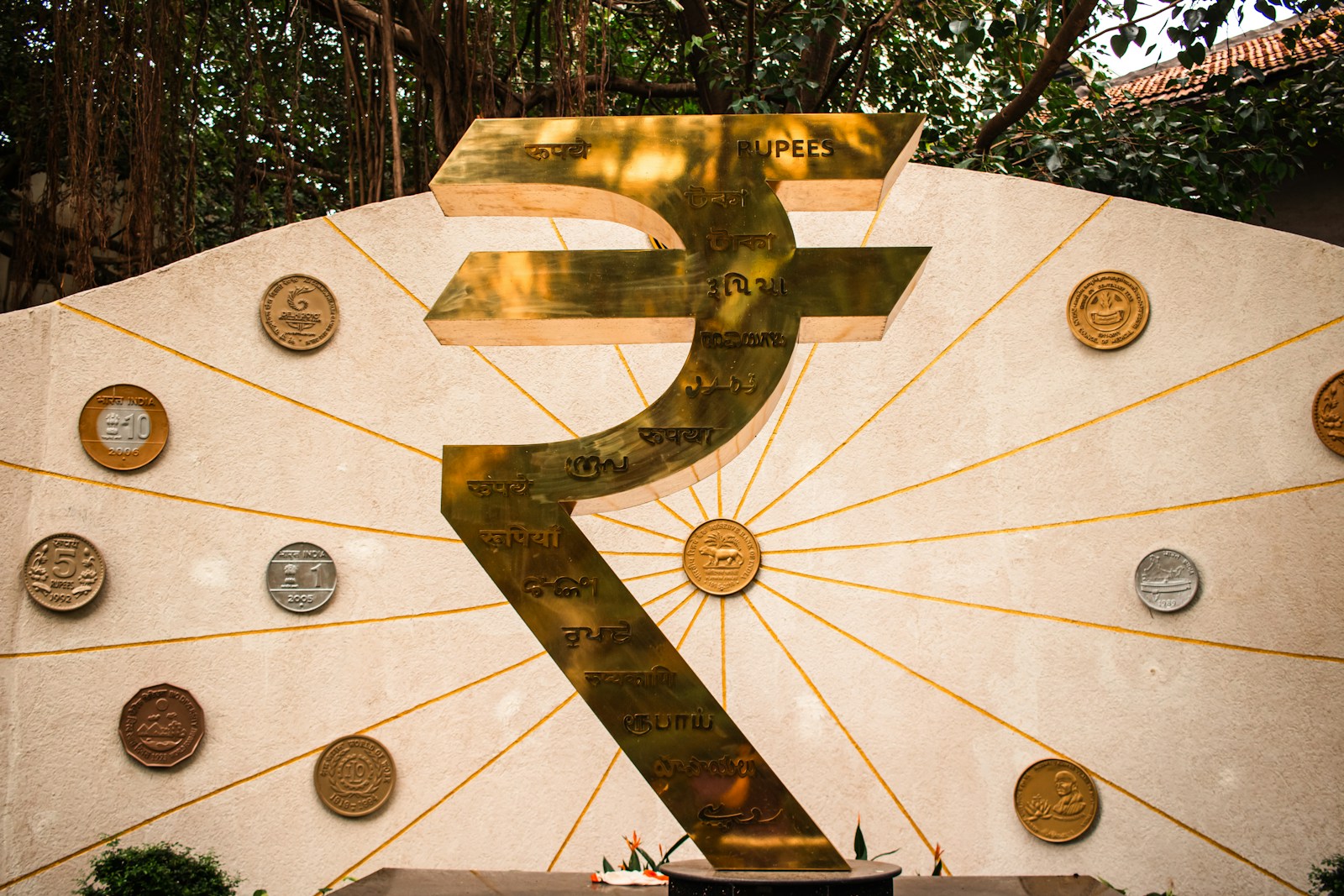
RBI Repo Rate Decision October 7, 2026: Will RBI Cut, Hike or Hold?
RBI Repo Rate Decision October 7, 2026: The Reserve Bank of India (RBI) is set to announce the outcome of its October Monetary Policy Committee (MPC) meeting on Wednesday, October 7, after the three-day meeting scheduled for October 5–7. The key question for borrowers, depositors, investors and businesses is whether the RBI will cut, hike or hold the repo rate. For wider context, readers can also follow CareerSphere’s latest news and banking updates.
The policy repo rate is currently 5.25%. Recent market expectations have shifted strongly towards a 25-basis-point increase to 5.50% as inflation pressures have broadened. However, a hold at 5.25% remains a meaningful possibility, making the RBI’s statement and guidance almost as important as the headline rate decision.
RBI Repo Rate Decision October 7, 2026: What to Expect
| Item | Current / Expected |
|---|---|
| Current repo rate | 5.25% |
| Possible October hike | 25 basis points to 5.50% |
| Possible hold | 5.25% |
| Possible cut | 5.00% |
| MPC meeting | October 5–7, 2026 |
| Decision day | October 7, 2026 |
The August MPC meeting kept the repo rate unchanged at 5.25% and retained a neutral stance. The October meeting therefore becomes an important test of whether the RBI now believes inflation and financial conditions require a shift towards tighter policy.
Why the RBI May Hike the Repo Rate
The strongest argument for a rate hike is inflation. August retail inflation rose to around 4.8%, moving above the RBI’s 4% target for a third consecutive month. Inflation concerns have also become broader than a single food-price shock, while higher crude oil prices, geopolitical risks and currency pressure can add to imported inflation.
Economic growth is another important factor. If domestic activity remains resilient, the RBI has more room to prioritise price stability without creating an excessive risk of a growth slowdown. A 25-basis-point increase would also give the central bank additional room to anchor inflation expectations.
Why the RBI Could Still Hold at 5.25%
A hold cannot be ruled out. Monetary policy works with a lag, and the MPC may prefer to assess whether the recent increase in inflation is persistent before starting a tightening cycle. A neutral stance also gives the RBI flexibility to respond to incoming data rather than committing itself to a series of hikes.
Another consideration is the balance between inflation and growth. A rate hike increases borrowing costs across the financial system and could affect consumption, housing demand and business investment. The RBI may therefore choose to wait if it believes inflation can moderate without additional tightening.
Could the RBI Cut the Repo Rate?
A 25-basis-point cut to 5.00% appears to be the least likely of the three major scenarios given the current inflation backdrop. A surprise cut would require the MPC to place substantially greater weight on growth, liquidity or other financial conditions than markets currently expect.
For borrowers hoping for lower EMIs, the important point is that a cut would immediately change expectations even if banks take time to reprice individual products. But based on current market expectations, the more relevant October debate is between a 25-basis-point hike and a hold.
What Happens to Home Loan EMIs if RBI Hikes Rates?
For floating-rate borrowers, a repo-rate increase can eventually translate into higher lending rates depending on the bank’s benchmark and repricing mechanism. The exact EMI impact varies with the outstanding principal, remaining tenure, interest rate and reset frequency.
| RBI decision | Likely direction for floating loan rates | Borrower impact |
|---|---|---|
| 25 bps hike | Upward pressure | EMI or tenure may increase |
| Hold | Broadly stable | No direct policy-rate shock |
| 25 bps cut | Downward pressure | EMI or tenure may reduce |
Borrowers should not assume that a 25-basis-point RBI move automatically changes their EMI by exactly 25 basis points. Banks may use different external benchmarks, spreads and reset dates.
Impact on Personal Loans and Business Loans
Personal loans, working-capital facilities and other floating-rate credit can also be affected by a change in the policy environment. A hike generally makes new borrowing more expensive and can increase interest costs for borrowers whose rates are linked to external benchmarks.
Businesses should therefore review borrowing requirements, working-capital cycles and refinancing plans before the policy announcement. Companies with substantial floating-rate debt may benefit from stress-testing their interest costs under a 25, 50 or 100-basis-point increase over the next year.
Impact on Fixed Deposits and Savings Rates
Depositors should watch the policy closely, particularly those considering locking money into fixed deposits. If banks begin to expect higher policy rates, deposit rates can also move higher as institutions compete for funds.
However, a repo-rate hike does not mean every bank will immediately raise every FD rate. Deposit pricing depends on liquidity, competition, credit demand and each bank’s funding strategy.
Impact on the Stock Market
Equity markets typically react not only to the rate decision but also to the RBI’s forward guidance. A surprise hike can pressure interest-sensitive sectors such as banks, real estate and consumer finance in the short term, although the broader impact depends on why the RBI is hiking.
A hawkish policy may support the rupee and improve inflation credibility, while a dovish hold or surprise cut can improve liquidity expectations. Investors should therefore look beyond the first market reaction and examine the RBI’s inflation, growth and liquidity commentary.
RBI MPC October 2026: What Markets Will Watch
- The size of the rate move, if any.
- The MPC’s vote split and individual member views.
- Whether the policy stance remains neutral.
- Changes to inflation projections.
- Changes to GDP growth projections.
- Comments on crude oil and geopolitical risks.
- Liquidity and banking-system conditions.
- Any signal about future rate hikes or cuts.
RBI Repo Rate: What Is It?
The repo rate is the policy rate at which the RBI provides short-term liquidity to eligible financial institutions against eligible securities under the monetary policy framework. By changing the repo rate, the RBI influences financial conditions across the economy.
When the RBI raises the rate, borrowing costs generally face upward pressure and financial conditions become tighter. When it cuts the rate, borrowing conditions can become easier. The transmission to customers is not instantaneous and varies by product and lender.
Current RBI Policy Rates
| Policy rate | Rate |
|---|---|
| Repo Rate | 5.25% |
| Standing Deposit Facility (SDF) | 5.00% |
| Marginal Standing Facility (MSF) | 5.50% |
| Bank Rate | 5.50% |
| Fixed Reverse Repo Rate | 3.35% |
What Borrowers Should Do Before October 7
Borrowers should not make a major financial decision solely on the basis of a forecast. Instead, check the current interest rate, benchmark, reset frequency and outstanding loan balance. If a rate hike is announced, compare the revised cost with refinancing or partial-prepayment options after considering all applicable charges.
Three-step borrower checklist
- Check your benchmark: Find out whether the loan is linked to an external benchmark and when the next reset occurs.
- Stress-test the loan: Ask the lender for the EMI or tenure impact of a 25-basis-point increase before deciding whether to prepay.
- Compare alternatives: Check the effective cost of refinancing, including processing fees and other charges, rather than comparing headline rates alone.
For readers following other household-cost developments, CareerSphere is also tracking October 2026 fuel-price changes, which can influence household budgets and inflation expectations.
Homebuyers should also avoid assuming that today’s quoted rate will remain unchanged. If a purchase is already planned, ask the lender about the rate-lock and sanction terms before making commitments.
What FD Investors Should Do
Depositors who expect rates to rise may consider laddering deposits rather than locking their entire amount into a single long-tenure FD. This approach can provide flexibility to reinvest portions of the money if rates increase later.
At the same time, deposit decisions should be based on liquidity needs, tenure, tax treatment and the financial strength of the institution, not only on the expected RBI decision.
RBI Repo Rate Decision October 7, 2026: Hike vs Hold
| Scenario | Potential rate | What it could signal |
|---|---|---|
| Hike | 5.50% | RBI prioritises inflation control and tighter financial conditions |
| Hold | 5.25% | RBI waits for more evidence on inflation and growth |
| Cut | 5.00% | Strong shift towards growth support; currently less expected |
Live Update: RBI Repo Rate Decision October 7
This article is designed as a live policy explainer. The final repo-rate decision should be updated after the RBI releases its October 2026 monetary policy statement. Readers should rely on the official RBI announcement for the final rate, stance, projections and implementation details.
RBI Repo Rate Decision: Key Takeaways
- The current policy repo rate is 5.25%.
- The October MPC meeting is scheduled for October 5–7, 2026.
- Markets are increasingly pricing in a possible 25-basis-point hike to 5.50%.
- A hold at 5.25% remains possible if the MPC wants more evidence on inflation.
- A cut to 5.00% is currently the less likely scenario.
- Borrowers should check their loan benchmark and reset terms rather than assume an automatic EMI change.
- FD investors should consider deposit laddering if they expect rates to rise further.
- The policy stance and RBI guidance may matter as much as the headline rate.
FAQs on RBI Repo Rate Decision October 7, 2026
What is the current RBI repo rate in October 2026?
The current policy repo rate is 5.25% ahead of the October 7, 2026 MPC decision.
Will RBI increase the repo rate on October 7, 2026?
Markets and economists are increasingly expecting a possible 25-basis-point increase to 5.50%, but the final decision will be known only when the RBI announces its policy.
What happens if RBI hikes the repo rate?
A hike can increase borrowing costs and put upward pressure on floating-rate loans, while potentially supporting deposit rates over time.
Will home loan EMI increase after an RBI rate hike?
Floating-rate home loans can become more expensive, but the exact EMI or tenure impact depends on the lender, benchmark, outstanding balance and reset terms.
Will FD rates increase if RBI hikes the repo rate?
They may increase as banks adjust funding prices, but there is no automatic one-to-one relationship between the repo rate and every FD rate.
When is the RBI October 2026 policy decision?
The October MPC meeting runs from October 5 to October 7, 2026, with the policy decision expected on October 7.
Conclusion
The October 7, 2026 RBI repo rate decision is important for borrowers, savers, investors and businesses because it could mark a shift in India’s interest-rate cycle. The current repo rate is 5.25%, while a 25-basis-point hike to 5.50% has become a prominent market expectation as inflation pressures rise.
Still, the most useful way to read the policy is to consider the complete package: the rate decision, stance, inflation outlook, growth projections, liquidity commentary and guidance for future meetings. Once the RBI announces the decision, this article should be updated with the confirmed rate and the official policy details.
Leave a Reply