Tamu Lhosar 2026: December 30, History, Significance, Traditions & Wishes
Tamu Lhosar 2026 will be observed on Wednesday, December 30, 2026. It is the New Year festival of the Gurung, or Tamu, community of Nepal and celebrates cultural identity, family, community and the beginning of a new cycle.
Tamu Lhosar 2026: Quick Facts
| Fact | Details |
|---|---|
| Date | December 30, 2026 |
| Day | Wednesday |
| Community | Gurung (Tamu) community |
| Meaning | New Year and change of the annual cycle |
| Nepali calendar | Poush 15, 2083 |
| Major celebrations | Family gatherings, traditional food, music, dance, prayers and cultural programmes |
What Is Tamu Lhosar?
Tamu Lhosar is the traditional New Year celebration of the Gurung people. The festival marks the transition from one year to another in the Tamu calendar and provides an opportunity for families and communities to come together, exchange greetings and preserve cultural traditions.
The word Lhosar is associated with the idea of a new year or change. The Gurung calendar follows a traditional 12-year animal cycle, with each cycle represented by an animal. The festival therefore has both a calendar significance and a strong cultural meaning.
When Is Tamu Lhosar 2026?
Tamu Lhosar 2026 falls on Wednesday, December 30, corresponding to Poush 15, 2083 in the Nepali calendar. The date is observed annually around the end of December.
History and Cultural Significance
Tamu Lhosar has been celebrated by Gurung communities for generations. It helps preserve language, traditional dress, music, dance, food, family customs and community relationships. For many families, the festival is also a time to remember elders and pass cultural knowledge to younger generations.
The Gurung community has a strong presence in Nepal, particularly in areas such as Lamjung, Gorkha, Tanahun, Syangja, Manang, Kaski and Parbat, while Gurung communities also live in cities and in countries around the world.
How Tamu Lhosar Is Celebrated
Family and Community Gatherings
Families and community groups come together for meals, greetings and cultural programmes. Relatives may travel to meet one another and share the occasion with elders and younger members.
Traditional Dress
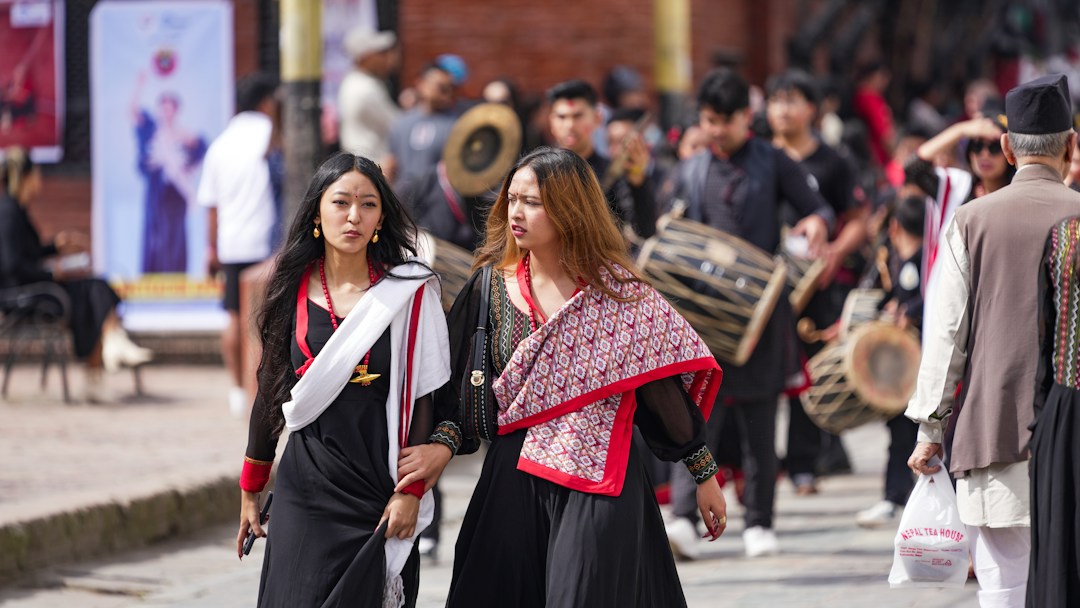
Traditional clothing is an important part of public celebrations. Wearing cultural dress helps make the festival visually distinctive and connects younger generations with Gurung heritage.
Music and Dance
Traditional songs and dances form an important part of celebrations. Cultural programmes allow performers to showcase heritage while giving children and young people an opportunity to learn from experienced community members.
Food and Hospitality
Festive meals and traditional foods are prepared for family and guests. Sharing food is an important way of expressing hospitality and strengthening community relationships.
Prayers and Blessings
Many celebrants visit religious or community spaces and seek blessings for peace, health and prosperity. Homes and gathering places may also be decorated for the occasion.
Tamu Lhosar and the 12-Year Animal Cycle
The traditional Gurung calendar uses a 12-year cycle associated with animals. Each new cycle represents a transition and gives the New Year celebration an additional cultural dimension. The cycle is a useful way for younger generations to learn about traditional timekeeping and heritage.
Tamu Lhosar vs Other Lhosar Festivals
| Festival | Community | General period |
|---|---|---|
| Tamu Lhosar | Gurung/Tamu | December |
| Sonam Lhosar | Tamang and related communities | January/February |
| Gyalpo Lhosar | Sherpa and other Himalayan communities | February/March |
Although these festivals share the word Lhosar and all involve New Year traditions, they belong to different communities and follow different calendars and customs.
Why Tamu Lhosar Matters
- It strengthens cultural identity and community connections.
- It helps preserve traditional music, dance, dress and food.
- It creates opportunities for elders to pass knowledge to younger generations.
- It brings families together at the end of the year.
- It highlights Nepal’s multicultural heritage.
How Students Can Learn About Tamu Lhosar
- Find the date and identify the Gurung community associated with the festival.
- Research the 12-year traditional animal cycle.
- Learn about traditional clothing, music and dances.
- Create a one-page cultural presentation for classmates.
- Discuss why preserving indigenous languages and traditions matters.
Simple Tamu Lhosar Activity for Schools and Communities
A useful activity is a “Culture and Calendar” project. Students can create a chart showing the Tamu Lhosar date, the Gurung community, traditional celebrations and the 12-year animal cycle. They can then present what they learned and compare Tamu Lhosar with another New Year tradition.
Tamu Lhosar 2026 Wishes and Messages
- Wishing everyone celebrating Tamu Lhosar 2026 peace, happiness and prosperity.
- May the New Year bring good health, success and joyful family moments.
- Warm wishes for a Tamu Lhosar filled with cultural pride, friendship and togetherness.
- May this new cycle bring fresh hope and wonderful opportunities.
Key Takeaways
- Tamu Lhosar 2026 is on December 30.
- It is the New Year festival of the Gurung or Tamu community.
- The festival is closely connected with cultural identity and a traditional 12-year animal cycle.
- Family gatherings, food, traditional dress, music, dance and blessings are important parts of the celebration.
- The festival provides an opportunity to preserve and share cultural heritage.
Frequently Asked Questions
When is Tamu Lhosar 2026?
Tamu Lhosar 2026 will be celebrated on Wednesday, December 30, 2026.
Who celebrates Tamu Lhosar?
Tamu Lhosar is the New Year festival of the Gurung, also known as Tamu, community.
What does Tamu Lhosar celebrate?
It celebrates the beginning of a new year in the traditional Tamu calendar and the continuity of Gurung culture and community traditions.
Is Tamu Lhosar the same as Sonam Lhosar?
No. They are different New Year festivals associated with different communities and calendar traditions.
Related Reading
Explore more important days and cultural observances in our News section. You can also read about Good Governance Day 2026 and Veer Bal Diwas 2026.
A Simple Way to Observe Tamu Lhosar 2026
People who want to learn about the festival without participating in a private religious ceremony can focus on cultural appreciation. A simple approach is to learn the community background, listen respectfully to traditional music, explore the meaning of the festival calendar and share accurate information with friends or classmates.
- Learn: Identify the Gurung community and understand why Tamu Lhosar marks a New Year.
- Listen: Explore traditional songs or recorded cultural performances from reliable sources.
- Observe: Notice traditional clothing, food, dance and community gatherings without treating them as costumes or entertainment alone.
- Share: Prepare a short fact sheet explaining the date, traditions and cultural significance.
- Respect: Avoid stereotypes and give credit to Gurung voices when presenting cultural information.
Tamu Lhosar Checklist
- ☐ Confirm the 2026 date: December 30.
- ☐ Learn about Gurung/Tamu heritage.
- ☐ Understand the traditional 12-year animal cycle.
- ☐ Read about traditional music, dance and dress.
- ☐ Share a respectful New Year message with friends or community members.
Three Interesting Learning Questions
Question 1: Why does the festival have a strong connection with family and community? It provides a regular opportunity for generations to meet, exchange greetings and pass cultural knowledge forward.
Question 2: Why is the animal cycle important? It connects the traditional calendar with a repeating cultural system of years and helps preserve an older way of understanding time.
Question 3: What makes Tamu Lhosar different from other Lhosar festivals? The communities, calendars and specific customs differ, even though the festivals share the broader idea of welcoming a new year.
Practical Tamu Lhosar 2026 Project
A short cultural project can turn the festival into a useful learning exercise for students, families or community groups. The aim is to learn about the Gurung community accurately rather than simply reproducing generic festival descriptions.
Example 1: Family Heritage Interview
Interview an older family member about a New Year tradition they remember from childhood. Record three things that have changed and three values that remain important. Compare the findings with what you learn about Tamu Lhosar.
Example 2: Twelve-Year Calendar Chart
Create a visual chart of the traditional 12-animal cycle. Add a short note explaining why cyclical calendars can be important for cultural identity and storytelling.
Example 3: Cultural Awareness Poster
Design a poster containing the December 30 date, the Gurung/Tamu community, three traditional celebration features and one message about respecting indigenous heritage. Check every fact before displaying it.
Respectful Cultural Appreciation
When learning about Tamu Lhosar, avoid presenting Gurung traditions as exotic stereotypes. Use the community name accurately, distinguish Tamu Lhosar from other Lhosar festivals, and avoid assuming that every Gurung family celebrates in exactly the same way. Cultural appreciation is strongest when it combines curiosity with respect and accurate context.
Quick Revision Notes
- Date: December 30, 2026.
- Day: Wednesday.
- Community: Gurung/Tamu.
- Purpose: Traditional New Year and cultural renewal.
- Key elements: Family gatherings, food, music, dance, traditional dress, blessings and community programmes.
- Calendar feature: A traditional 12-year animal cycle.
5-Minute Tamu Lhosar Learning Plan
If you need a very short activity, use this five-minute plan: spend one minute identifying the date and community, one minute learning what Lhosar means, one minute studying the 12-year cycle, one minute noting two traditional celebration features, and the final minute writing one respectful New Year message.
Practical Do-and-Don’t Guide
| Do | Don’t |
|---|---|
| Use the name Tamu Lhosar and identify the Gurung community. | Use one generic description for every Lhosar festival. |
| Learn from reliable cultural sources and community voices. | Repeat unverified claims about customs. |
| Respect traditional clothing, music and ceremonies. | Turn cultural symbols into stereotypes or jokes. |
| Share the December 30, 2026 date accurately. | Confuse Tamu Lhosar with Sonam or Gyalpo Lhosar. |
Conclusion
Tamu Lhosar 2026 on December 30 is an important celebration of Gurung identity, heritage and community. Beyond marking a new year, it provides a meaningful opportunity to preserve traditions, bring generations together and appreciate Nepal’s diverse cultural landscape.
Leave a Reply