World AIDS Day 2026: Date, Theme, History, Significance & Key Facts
World AIDS Day 2026 will be observed on Tuesday, December 1, 2026. The annual observance brings attention to HIV prevention, testing, treatment, care, human rights and the need to reduce stigma and discrimination. This CareerSphere guide explains the date, history, global significance, the latest 2026 HIV context and important facts for students and general readers.
| Key detail | Information |
|---|---|
| Date | December 1, 2026 |
| Observance | World AIDS Day |
| Health focus | HIV prevention, testing, treatment, care and awareness |
| Symbol | Red ribbon |
| Global organisation | UNAIDS |
When Is World AIDS Day 2026?
World AIDS Day is observed every year on December 1. In 2026, December 1 falls on a Tuesday. The United Nations lists World AIDS Day among its December international observances.
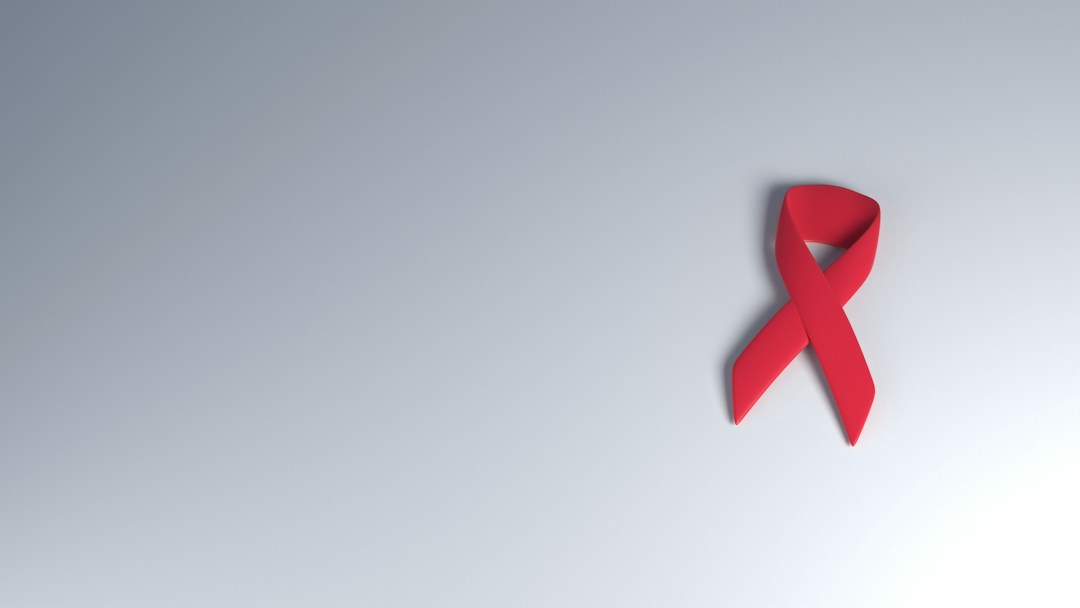
The day is observed around the world through awareness campaigns, educational programmes, community activities and public-health initiatives. The red ribbon is widely used as a symbol of awareness, support and solidarity with people living with HIV.
What Is World AIDS Day?
World AIDS Day is an annual global health observance dedicated to raising awareness about HIV and AIDS. It also provides an opportunity to remember people who have died from AIDS-related illnesses and to support people living with HIV.
UNAIDS notes that World AIDS Day was established in 1988 and was the first international day dedicated to global health. Governments, UN agencies, communities and civil-society organisations use the day to discuss the state of the HIV response and the work still required to end AIDS as a public-health threat.
World AIDS Day 2026 Theme
The specific World AIDS Day 2026 campaign theme should be confirmed from the latest UNAIDS and WHO announcements as the observance approaches. Earlier official campaigns have used annual themes to focus attention on particular challenges in the HIV response.
For 2026, the wider global context is especially important because UNAIDS has published its Global AIDS Strategy 2026–2031. The strategy aims to guide the international HIV response towards ending AIDS as a public-health threat by 2030 and sets new targets for treatment, prevention and stigma-free care.
Why Is World AIDS Day Important?
World AIDS Day keeps HIV visible as a continuing public-health issue. Medical progress has made effective HIV treatment possible, but access to prevention, testing, treatment and supportive services remains important. Stigma and discrimination can also discourage people from seeking information, testing or care.
The observance therefore has several connected purposes: improving public knowledge, encouraging evidence-based prevention, supporting access to HIV services, remembering those affected by the epidemic and reinforcing the rights and dignity of people living with HIV.
World AIDS Day 2026 and the Global HIV Strategy
UNAIDS’ Global AIDS Strategy 2026–2031 identifies three broad priorities: country leadership for sustainable HIV responses, reducing inequalities and protecting rights to prevention and treatment, and strengthening community leadership. The strategy includes measurable 2030 targets for treatment, prevention and stigma-free care.
This makes World AIDS Day 2026 particularly useful for current-affairs preparation. Students can connect the December 1 observance with the broader international goal of ending AIDS as a public-health threat by 2030.
HIV and AIDS: What Is the Difference?
HIV is the human immunodeficiency virus. It attacks the body’s immune system. Without effective treatment, HIV can progress to AIDS, the most advanced stage of HIV infection.
Modern antiretroviral treatment can suppress HIV and help people living with HIV lead longer and healthier lives. Because treatment and prevention are medical subjects, readers should rely on qualified health professionals and official public-health sources for individual medical advice.
How World AIDS Day Is Observed
- Public awareness and educational campaigns
- HIV testing and prevention information
- Community discussions and outreach programmes
- Events supporting people living with HIV
- Red-ribbon awareness activities
- Memorial and remembrance activities
- Government, NGO and institutional programmes
World AIDS Day 2026 in India
In India, World AIDS Day can be used to highlight HIV prevention, testing, treatment and awareness services. National and state health authorities, medical institutions, educational organisations and community groups may conduct programmes around December 1.
For current Indian programme details, readers should check official announcements from the National AIDS Control Organisation, Ministry of Health and Family Welfare, state health departments and authorised health institutions. Programme dates, venues and services can change and should not be inferred from previous years.
Red Ribbon: Meaning and Significance
The red ribbon is the internationally recognised symbol associated with HIV and AIDS awareness. Wearing or displaying it can communicate solidarity with people living with HIV and support efforts to reduce stigma and discrimination.
World AIDS Day 2026: Important Facts for Exams
- World AIDS Day is observed on December 1.
- The observance was established in 1988.
- The red ribbon is a widely recognised HIV/AIDS awareness symbol.
- UNAIDS is the Joint United Nations Programme on HIV/AIDS.
- World AIDS Day focuses on awareness, prevention, treatment, support and human rights.
- The UNAIDS Global AIDS Strategy 2026–2031 aims to support the goal of ending AIDS as a public-health threat by 2030.
World AIDS Day 2026: Student Revision Checklist
- Remember the date: December 1.
- Remember the year the observance began: 1988.
- Remember the symbol: red ribbon.
- Know the difference between HIV and AIDS.
- Know the role of UNAIDS.
- Follow the latest official announcement for the 2026 theme.
Practice Questions
- When is World AIDS Day observed? December 1.
- When was World AIDS Day first observed? 1988.
- What is the symbol of HIV/AIDS awareness? The red ribbon.
- What does HIV stand for? Human immunodeficiency virus.
- What is UNAIDS? The Joint United Nations Programme on HIV/AIDS.
Frequently Asked Questions
When is World AIDS Day 2026?
World AIDS Day 2026 will be observed on December 1, 2026.
What is the World AIDS Day 2026 theme?
The final 2026 campaign theme should be checked against the latest UNAIDS and WHO announcement. This article should be updated when the official campaign wording is released.
What is the symbol of World AIDS Day?
The red ribbon is the widely recognised symbol of HIV/AIDS awareness, support and solidarity.
Why is World AIDS Day observed?
It raises awareness about HIV and AIDS, supports people living with HIV, remembers those affected by AIDS-related illnesses and highlights the continuing need for prevention, treatment and rights-based care.
Where can I find current HIV information?
Use authoritative sources such as UNAIDS, WHO and India’s official public-health agencies. Individual medical concerns should be discussed with a qualified healthcare professional.
Related CareerSphere Reading
Conclusion
World AIDS Day 2026 on December 1 provides an important opportunity to understand HIV, remember people affected by AIDS-related illnesses and follow the continuing global response. The latest UNAIDS Global AIDS Strategy 2026–2031 makes the 2026 observance especially relevant for current affairs, while the final campaign theme and local programmes should be checked from official sources as December approaches.
Leave a Reply