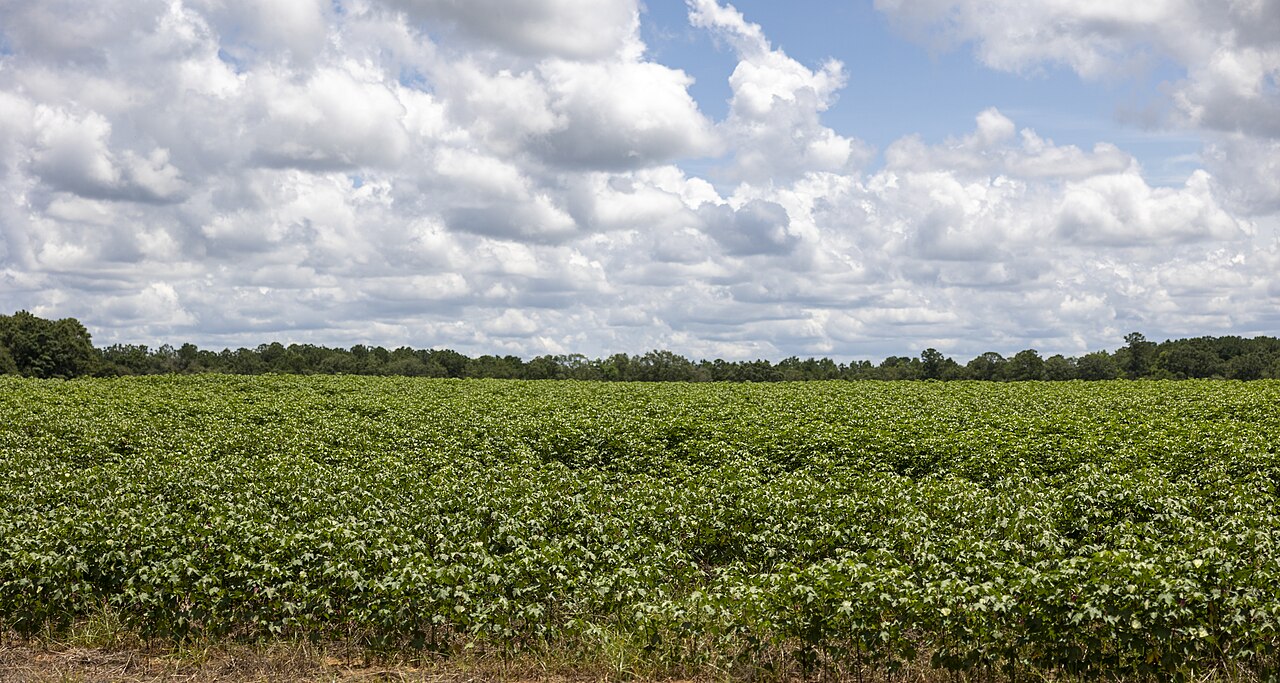
World Cotton Day 2026 will be observed on Wednesday, 7 October 2026. The United Nations observance highlights cotton’s role in livelihoods, trade, agriculture and sustainable development, particularly for millions of farmers, workers and communities connected with the cotton value chain.
World Cotton Day 2026 Overview
| Date | 7 October 2026 |
|---|---|
| Day | Wednesday |
| UN observance | World Cotton Day |
| Focus | Cotton, livelihoods, trade and sustainable development |
What Is World Cotton Day?
World Cotton Day is observed annually on October 7 to recognize cotton’s economic and social importance. The United Nations General Assembly proclaimed 7 October as World Cotton Day in 2021. The observance grew from an initiative associated with cotton-producing countries and international organizations working on trade and development.
Why Cotton Matters
Cotton is a natural fibre used in clothing, household textiles, medical products and many other applications. Beyond fibre, different parts of the cotton plant and processing chain can produce additional products. The sector supports farmers, agricultural labour, ginning, spinning, weaving, garment manufacturing, transport and trade.
Cotton and India
Cotton has a major place in India’s agricultural and textile history. Cotton cultivation and textile manufacturing support livelihoods across multiple states and connect farms with ginning units, spinning mills, textile clusters and garment industries. The crop also has cultural significance because Indian cotton textiles have long been traded domestically and internationally.
Sustainability in the Cotton Sector
Sustainable cotton production involves several interconnected issues: soil health, water management, pest management, farmer incomes, safe working conditions, traceability and efficient processing. Conditions vary significantly by geography and farming system, so sustainability solutions must be adapted to local needs rather than treated as one-size-fits-all.
From Farm to Fabric
The cotton value chain begins with cultivation and harvesting. Seed cotton is then ginned to separate fibre from seed. The fibre is processed into yarn, fabric and finished products through spinning, weaving or knitting, dyeing, finishing and garment manufacturing. Each stage creates jobs and opportunities while also presenting environmental and social challenges.
World Cotton Day and Farmers
The observance draws attention to the people who produce cotton and the importance of fair opportunities, resilient farming practices and access to knowledge and markets. Small-scale producers can be particularly exposed to weather, price changes and production costs.
Technology and Innovation
Research and technology can contribute to better crop management, improved fibre quality, resource efficiency and traceability. Digital tools, weather information, improved agronomy and modern textile processes are among the areas influencing the future of cotton.
How Schools and Colleges Can Observe World Cotton Day
- Create a farm-to-fabric flowchart.
- Study cotton-growing regions of India.
- Discuss natural and synthetic fibres.
- Visit a textile or handloom centre where feasible.
- Organize an exhibition on cotton products and traditional textiles.
- Discuss responsible consumption and textile waste.
World Cotton Day Messages
Happy World Cotton Day 2026. Recognize the farmers, workers and innovators who connect cotton fields with products used around the world.
On World Cotton Day, celebrate a natural fibre while learning how agriculture, trade and responsible production can work together.
From farm to fabric, cotton connects livelihoods, skills and communities across the globe.
Short Slogans
- From field to fabric, cotton connects lives.
- Support sustainable cotton and resilient livelihoods.
- Know the journey behind every fibre.
- Celebrate farmers, fibre and innovation.
- Responsible textiles begin with informed choices.
Frequently Asked Questions
When is World Cotton Day 2026?
World Cotton Day is observed on 7 October 2026.
Which day is October 7 in 2026?
It falls on a Wednesday.
Who proclaimed World Cotton Day?
The United Nations General Assembly proclaimed October 7 as World Cotton Day in 2021.
Why is cotton important?
Cotton supports agriculture, textile manufacturing, trade and livelihoods across a large value chain.
Is cotton only used for clothing?
No. Cotton fibre and by-products are used in a variety of textile, household, industrial and other applications.
Why is sustainability important in cotton?
Cotton production interacts with water, soil, pest management, labour conditions, farmer incomes and processing impacts.
How can students celebrate World Cotton Day?
Students can study the cotton value chain, prepare exhibitions, explore Indian textile traditions and discuss sustainable production and consumption.
What is the official 2026 theme?
Readers should rely on the United Nations and participating international organizations for any officially announced 2026 campaign theme rather than unsourced social-media claims.
World Cotton Day 2026 Theme Explained
The 2026 theme, “Cotton for the Common Good: Building Prosperity through Trade, Transformation and Collaboration,” connects the cotton sector with wider economic development. It emphasizes that the benefits of cotton can extend beyond the sale of raw fibre when countries and businesses strengthen processing, trade links, technology and cooperation.
Trade matters because cotton moves through international markets and contributes to export earnings in a number of producing countries. Transformation refers to the opportunity to create more value through ginning, spinning, weaving, garment production and other downstream activities. Collaboration recognizes that farmers, workers, governments, researchers, industry, traders and international organizations all have roles in strengthening the value chain.
Why World Cotton Day Matters
World Cotton Day is not simply a celebration of a fibre. It is an opportunity to understand the economic and social system behind cotton. A cotton product may begin with a farmer preparing a field, but its journey can involve agricultural inputs, harvesting, ginning, spinning, weaving, dyeing, manufacturing, transport, international trade and retail.
FAO describes cotton as an important source of livelihoods for millions of smallholders, workers and their families. Cotton exports can also provide foreign-exchange earnings for some low-income countries. At the same time, the sector faces competition from synthetic fibres and is exposed to weather shocks, supply-chain disruptions, changing consumer preferences and changing regulatory requirements.
World Cotton Day 2026: Cotton From Farm to Fabric
Understanding the cotton value chain is useful for students because it links agriculture with manufacturing and international trade.
| Stage | Key activity | Importance |
|---|---|---|
| Growing | Cotton plants are cultivated and managed until maturity. | Creates the agricultural foundation of the value chain. |
| Harvesting | Mature cotton is collected manually or mechanically. | Determines how efficiently the crop enters processing. |
| Ginning | Fibre is separated from cotton seed. | Prepares cotton lint for further processing. |
| Spinning | Fibre is converted into yarn. | Connects agricultural fibre with textile manufacturing. |
| Weaving/Knitting | Yarn becomes fabric. | Creates material for garments and other products. |
| Finishing | Fabric may be dyed, printed and treated. | Gives products required colours and characteristics. |
| Manufacturing | Fabric is converted into finished products. | Creates additional value and employment. |
| Trade | Raw materials and finished goods move through markets. | Connects producers with domestic and international buyers. |
Cotton and Sustainable Development
The cotton sector is closely connected with sustainable development because decisions at the farm, factory and market levels can affect people, resources and local economies. Sustainable cotton discussions can include efficient resource use, soil management, farmer resilience, worker safety, responsible processing and reduction of waste.
FAO identifies weather shocks, supply-chain disruptions, competition from synthetic fibres and changes in consumer preferences among the challenges facing cotton. The organization also points to science, innovation, research, digitalization, improved governance and targeted investment as areas that can help the sector become more efficient, inclusive, resilient and sustainable.
Climate and Weather Risks
Farmers depend on local growing conditions, so unusual weather can affect yields and farm income. Better agronomic practices, timely information, research and suitable technologies can help producers manage some of these risks, although solutions differ by region.
Water and Soil
Responsible management of water and soil is an important part of agricultural sustainability. Practices need to reflect local rainfall, irrigation availability, soil conditions and farming systems rather than assuming that one approach will work everywhere.
Farmer Livelihoods
Farmers can face changing input costs, market prices and weather conditions. Access to knowledge, finance, technology, infrastructure and markets can influence the resilience of cotton-growing communities.
Textile Waste and Consumption
Sustainability also continues after cotton becomes a textile. Manufacturing, transport, use, reuse and disposal all influence the overall resource footprint of clothing and household textiles. Responsible consumption and better waste management can therefore complement improvements in agricultural production.
World Cotton Day 2026 and India
India is one of the world’s major cotton-producing countries and has a long history of cotton cultivation and textile production. Cotton connects agricultural regions with ginning units, spinning mills, weaving centres, garment manufacturers and domestic and international markets.
India’s cotton and textile story also includes handloom traditions and regional textile clusters. This makes World Cotton Day relevant to students studying Indian agriculture, rural employment, manufacturing, exports, traditional industries and sustainable development.
For competitive-exam preparation, candidates can connect the observance with topics such as agricultural commodities, international organizations, trade, textiles, rural livelihoods and the Sustainable Development Goals.
Global Cotton Production and Trade: Key Facts
FAO’s World Cotton Day information provides useful background statistics. According to the current FAO information page, world cotton production in 2024 was estimated at around 26 million tonnes, with more than 9 million tonnes traded. FAO also reports that the value of global cotton production is estimated at more than USD 75 billion annually, while world cotton trade is approximately USD 20 billion annually.
FAO identifies China, India, Brazil, the United States and Pakistan among the top five cotton-producing countries. Together, these countries account for more than three-quarters of global production according to FAO’s published information.
These statistics are useful for general awareness, but market figures can change. Candidates should consult the latest FAO, national statistical or other authoritative source when an examination asks for a current production or trade figure.
Cotton and Women
Women play important roles in cotton production and related agricultural activities. FAO’s World Cotton Day information estimates that women account for about 43% of the labour force in cotton production, with particularly important roles in planting and harvesting in parts of Africa and Asia.
Recognizing participation across the value chain also supports wider discussions about decent work, skills, access to opportunities and inclusive economic development.
Technology and Innovation in Cotton
Technology can influence cotton production and processing at several stages. Weather information, digital advisory services, improved agronomy, precision tools, research, better processing equipment and traceability systems can all contribute to efficiency or transparency when appropriately implemented.
Value addition is another important area. Instead of exporting only raw or minimally processed material, countries and businesses may seek opportunities in local processing and manufacturing. Such activities can potentially create additional jobs and economic value while building skills and industrial capacity.
World Cotton Day 2026: Important Points for Competitive Exams
- World Cotton Day is observed every year on 7 October.
- World Cotton Day 2026 falls on Wednesday, 7 October 2026.
- The United Nations General Assembly proclaimed the observance in 2021.
- The relevant UN General Assembly resolution is A/RES/75/318.
- The initiative began in 2019 through the Cotton-4 countries.
- The Cotton-4 are Benin, Burkina Faso, Chad and Mali.
- The 2026 theme highlighted by FAO is “Cotton for the Common Good: Building Prosperity through Trade, Transformation and Collaboration.”
- Cotton is an important natural fibre used extensively in apparel and home furnishings.
- The cotton value chain includes farming, ginning, spinning, weaving or knitting, finishing, manufacturing and trade.
- FAO identifies climate and weather shocks, supply-chain disruption, synthetic-fibre competition and changing consumer preferences among sector challenges.
World Cotton Day 2026 Activities for Schools and Colleges
Educational institutions can turn the observance into an interdisciplinary learning activity. A simple farm-to-fabric exhibition can explain how agricultural commodities become consumer products. Geography students can map cotton-growing areas, economics students can study trade and value addition, science students can compare natural and synthetic fibres, and students of history can explore India’s textile traditions.
Other activities can include a cotton-sector quiz, poster competition, debate on sustainable textiles, a presentation on the Cotton-4 countries, a project on the textile value chain, or an awareness programme on responsible clothing consumption.
World Cotton Day 2026 Messages and Slogans
Happy World Cotton Day 2026. Let us recognize the farmers, workers, innovators and businesses behind the journey from cotton field to finished product.
From field to fabric, cotton connects people, skills, agriculture and trade.
Cotton for the common good: support sustainable production, responsible trade and stronger collaboration.
- From field to fabric, cotton connects lives.
- Cotton for the common good.
- Better trade, stronger value chains, resilient livelihoods.
- Celebrate cotton, farmers, workers and innovation.
- From fibre to value, build a stronger cotton economy.
- Know the journey behind every cotton product.
Frequently Asked Questions About World Cotton Day 2026
When is World Cotton Day 2026?
World Cotton Day 2026 will be observed on Wednesday, 7 October 2026.
What is the World Cotton Day 2026 theme?
The 2026 theme highlighted by FAO is “Cotton for the Common Good: Building Prosperity through Trade, Transformation and Collaboration.”
Who proclaimed World Cotton Day?
The United Nations General Assembly proclaimed 7 October as World Cotton Day in 2021 through Resolution A/RES/75/318.
Why is World Cotton Day celebrated?
It raises awareness about cotton production, processing, marketing and consumption and the role of the sector in livelihoods, trade and economic development.
What are the Cotton-4 countries?
The Cotton-4 are Benin, Burkina Faso, Chad and Mali. Their initiative played an important role in the development of World Cotton Day.
Is cotton only used for clothes?
No. Cotton is widely used in apparel and home textiles, and cotton seeds and other by-products have additional uses across different industries.
Why is cotton important for India?
India is a major cotton-producing country, and cotton supports an extensive agricultural and textile ecosystem involving farmers, ginning, spinning, weaving, manufacturing and trade.
What are the main challenges facing cotton?
Challenges include weather shocks, climate-related risks, supply-chain disruptions, production costs, competition from synthetic fibres, changing regulations and changing consumer preferences.
How can students observe World Cotton Day?
Students can organize quizzes, exhibitions, farm-to-fabric projects, presentations on cotton-growing regions, textile-history activities and discussions on sustainable production and consumption.
Official Sources
- United Nations – International Days and Weeks
- United Nations – World Cotton Day
- FAO – World Cotton Day
- FAO – World Cotton Day 2026
- United Nations General Assembly Resolution on World Cotton Day
Explore More
Read more CareerSphere News, browse Latest Jobs, and visit the CareerSphere homepage.
Final Note
World Cotton Day 2026 offers a chance to understand the people, skills, technologies and natural resources behind one of the world’s best-known fibres. It also encourages discussion about how the cotton economy can support sustainable development and resilient livelihoods.
Leave a Reply