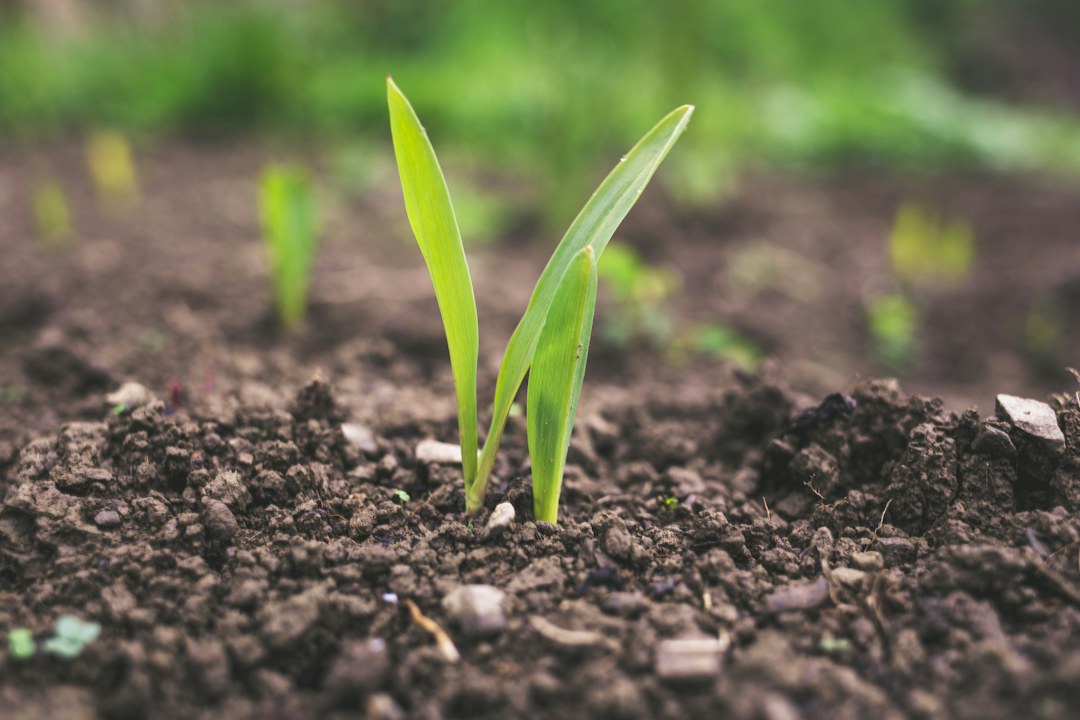
World Soil Day 2026: Date, Theme, History & Key Facts
World Soil Day 2026 will be observed on December 5, 2026. The annual observance highlights the importance of healthy soil for food production, ecosystems, agriculture and long-term environmental sustainability. For competitive-exam aspirants, the day is an important current-affairs topic because it connects agriculture, environment, food security, climate resilience and the Sustainable Development Goals.
World Soil Day 2026: Important Details
| Particular | Details |
|---|---|
| Day | World Soil Day |
| Date in 2026 | December 5, 2026 |
| Established as an international day | 2013 UN General Assembly decision; first officially observed in 2014 |
| UN resolution | A/RES/68/232 |
| Global facilitator | Food and Agriculture Organization (FAO) |
| Main focus | Soil health, sustainable soil management, food security and environmental resilience |
What Is World Soil Day?
World Soil Day is an annual international observance that raises awareness about the importance of soil and promotes sustainable management of this essential natural resource. FAO facilitates the observance through the Global Soil Partnership. The United Nations calendar lists World Soil Day on December 5 each year.
Soil is much more than the material in which crops grow. Healthy soils support plant growth, store and filter water, cycle nutrients, provide habitat for organisms and contribute to ecosystem stability. Soil condition therefore affects agriculture, biodiversity, food security and the livelihoods of millions of people.
When Is World Soil Day 2026?
World Soil Day 2026 will be observed on Saturday, December 5, 2026. The date remains December 5 every year. For exam preparation, remember the simple association: World Soil Day — December 5 — FAO — soil health and sustainable soil management.
History of World Soil Day
The roots of World Soil Day are closely associated with the Global Soil Partnership and Thailand’s support for greater international awareness of soil. The UN General Assembly adopted Resolution A/RES/68/232 in 2013, designating December 5 as World Soil Day. The first official observance took place in 2014.
The date also has a connection with the birthday of the late King Bhumibol Adulyadej of Thailand, who strongly supported soil-resource management and awareness. FAO has continued to facilitate the global observance through campaigns, educational material, events and the Global Soil Partnership.
Why Soil Matters
1. Soil supports food production
A large share of the food people consume depends directly or indirectly on productive soils. Soil supplies plants with water, nutrients and physical support. Degraded soil can reduce agricultural productivity and make farming more vulnerable to drought, erosion and other stresses.
2. Soil stores and filters water
Healthy soil can absorb and retain water while supporting natural filtration. Soil structure and organic matter influence infiltration, water availability and the movement of nutrients. Good soil management can therefore contribute to more resilient agricultural systems.
3. Soil supports biodiversity
Soil contains a huge community of microorganisms and other organisms. These organisms contribute to decomposition, nutrient cycling and soil formation. Protecting soil biodiversity is therefore part of protecting wider ecosystems.
4. Soil and climate resilience
Soils interact with the carbon cycle and can store organic carbon. Sustainable land management can help maintain soil structure, reduce erosion and improve resilience to climate-related stresses. Soil management should therefore be considered alongside wider climate and ecosystem policies.
World Soil Day and Food Security
Food security depends not only on how much land is available but also on the condition of that land. Nutrient depletion, erosion, salinization, compaction, contamination and loss of organic matter can reduce soil quality. Sustainable practices such as appropriate crop rotation, maintaining soil cover, adding organic matter, reducing unnecessary disturbance and managing water carefully can help protect productive capacity.
FAO notes that soil degradation is a major global concern. Its World Soil Day materials highlight the central role of soil in agricultural development, ecosystem functions and food security. FAO also reports that 95% of food comes from soils and that around one-third of soils are degraded.
World Soil Day 2026 Theme
The official 2026 World Soil Day campaign theme should be checked against the latest FAO announcement before publication or exam revision. The annual campaign theme can change from year to year. This article therefore distinguishes the fixed observance facts from the campaign slogan and avoids presenting an unconfirmed theme as official.
For current-affairs preparation, the safest approach is to remember the permanent facts first—December 5, FAO, Global Soil Partnership and UN Resolution A/RES/68/232—and then add the officially announced 2026 theme when FAO publishes its campaign material.
Soil Degradation: Major Causes
Soil can lose its productive and ecological functions through several processes. Water and wind erosion remove fertile topsoil; excessive tillage can disturb soil structure; overgrazing can reduce vegetation cover; poor irrigation practices can contribute to salinity; and inappropriate use or disposal of chemicals can contaminate land. Urban expansion and other forms of land-use change can also reduce the area available for productive soils.
These pressures show why soil conservation is not limited to agriculture alone. Farmers, local communities, researchers, policymakers and environmental institutions all have roles in protecting soil resources. Sustainable land management aims to maintain productivity while preserving ecological functions for future generations.
Soil Health and Sustainable Agriculture
Healthy soil management can include practices such as crop diversification, crop rotation, conservation of soil cover, appropriate nutrient application, efficient irrigation, erosion control and the addition of suitable organic matter. The right practice depends on local soil type, climate, crop, water availability and farming system.
Soil testing is also important because it provides information about nutrient status and helps farmers make better-informed decisions. Balanced nutrient management can support crop productivity while reducing unnecessary inputs. In exam questions, candidates should connect soil health with sustainable agriculture rather than treating soil as an isolated geography topic.
Why World Soil Day Matters for Current Affairs
International observance questions often combine a date with an organization, resolution, theme or development goal. World Soil Day is particularly useful because it links environment and agriculture with food security. A question may ask the date, the facilitating organization, the UN resolution, the year of first observance or the role of the Global Soil Partnership.
For banking and government-exam learners, the topic also provides a useful bridge between static general knowledge and current affairs. Agriculture, rural development, climate resilience, natural resources and sustainable development are recurring areas across competitive examinations.
Quick Revision Table
| Point | Remember |
|---|---|
| Date | December 5 |
| Organization | FAO |
| Partnership | Global Soil Partnership |
| UN resolution | A/RES/68/232 |
| First official observance | 2014 |
| Core issue | Healthy and sustainably managed soils |
| Major connection | Food security and sustainable agriculture |
World Soil Day and Sustainable Development Goals
World Soil Day connects naturally with several Sustainable Development Goals. Healthy soils support SDG 2: Zero Hunger by underpinning sustainable food production. Soil and land management are also relevant to SDG 6: Clean Water and Sanitation, SDG 12: Responsible Consumption and Production, SDG 13: Climate Action and SDG 15: Life on Land.
The connection with SDG 15 is particularly direct because sustainable land management, ecosystem protection and combating land degradation are central to the goal. Soil health is therefore an environmental issue as well as an agricultural issue.
Important Soil Facts for Competitive Exams
| Question Area | Key Fact |
|---|---|
| World Soil Day | December 5 |
| UN resolution | A/RES/68/232 |
| International observance | Officially observed from 2014 |
| Facilitating organization | FAO |
| Partnership | Global Soil Partnership |
| Main concern | Soil health and sustainable soil management |
| Major development link | Food security and sustainable agriculture |
World Soil Day in India
India’s large agricultural sector makes soil health especially relevant to farmers, policymakers, agricultural institutions and competitive-exam candidates. Soil testing, balanced nutrient management, organic matter, water conservation, erosion control and sustainable farming practices are important components of maintaining productive agricultural land.
For Indian exams, World Soil Day can be connected with topics such as soil types, soil erosion, watershed management, irrigation, fertilizer management, organic farming, agricultural productivity, climate resilience and government programmes related to soil health. Candidates should distinguish the international observance from national programmes and learn the official facts separately.
How to Prepare World Soil Day for Government Exams
Banking, SSC, Railways, UPSC, state-government and other competitive examinations may use international days in current-affairs questions. A useful revision method is to create a compact fact chain: December 5 → World Soil Day → FAO → Global Soil Partnership → A/RES/68/232 → sustainable soil management.
Also revise why soil matters, the link with food security, the role of sustainable agriculture and the SDGs associated with land and ecosystems. Do not memorize an unverified annual theme; update the theme from FAO’s official campaign page when it is announced.
One-Minute Revision Notes
- World Soil Day is observed every year on December 5.
- The UN designated the day through Resolution A/RES/68/232.
- The first official observance was in 2014.
- FAO facilitates the global observance.
- The Global Soil Partnership is a major platform for soil-related action and advocacy.
- Soil is essential for agriculture, food security, water functions and ecosystems.
- Soil degradation threatens productivity and environmental resilience.
- World Soil Day is strongly connected with SDGs 2, 6, 12, 13 and 15.
Frequently Asked Questions
When is World Soil Day 2026?
World Soil Day 2026 will be observed on December 5, 2026.
Who facilitates World Soil Day?
The Food and Agriculture Organization of the United Nations facilitates the global observance through the Global Soil Partnership.
What is the UN resolution for World Soil Day?
World Soil Day was designated by the UN General Assembly through Resolution A/RES/68/232 in 2013.
When was World Soil Day first officially observed?
The first official observance took place in 2014.
Why is soil important?
Soil supports food production, nutrient cycling, water functions, biodiversity and ecosystem health.
What should candidates remember for exams?
Remember December 5, FAO, Global Soil Partnership, A/RES/68/232 and the link between healthy soil, food security and sustainable development.
Practice Questions
- World Soil Day is observed on which date?
Answer: December 5. - Which organization facilitates World Soil Day?
Answer: FAO. - Which UN resolution designated World Soil Day?
Answer: A/RES/68/232. - In which year was World Soil Day first officially observed?
Answer: 2014. - Which partnership is associated with the global observance?
Answer: Global Soil Partnership.
Official Sources
For the latest campaign theme and official 2026 materials, readers should consult the FAO World Soil Day page and the United Nations observance calendar. Annual campaign themes should be updated from the official source when announced.
Conclusion
World Soil Day 2026 is an important environmental and agricultural current-affairs topic. December 5, FAO, Global Soil Partnership and UN Resolution A/RES/68/232 are the core facts to remember. Understanding how soil supports food production, water functions, biodiversity and sustainable development makes the topic useful beyond a one-line current-affairs question.
Leave a Reply