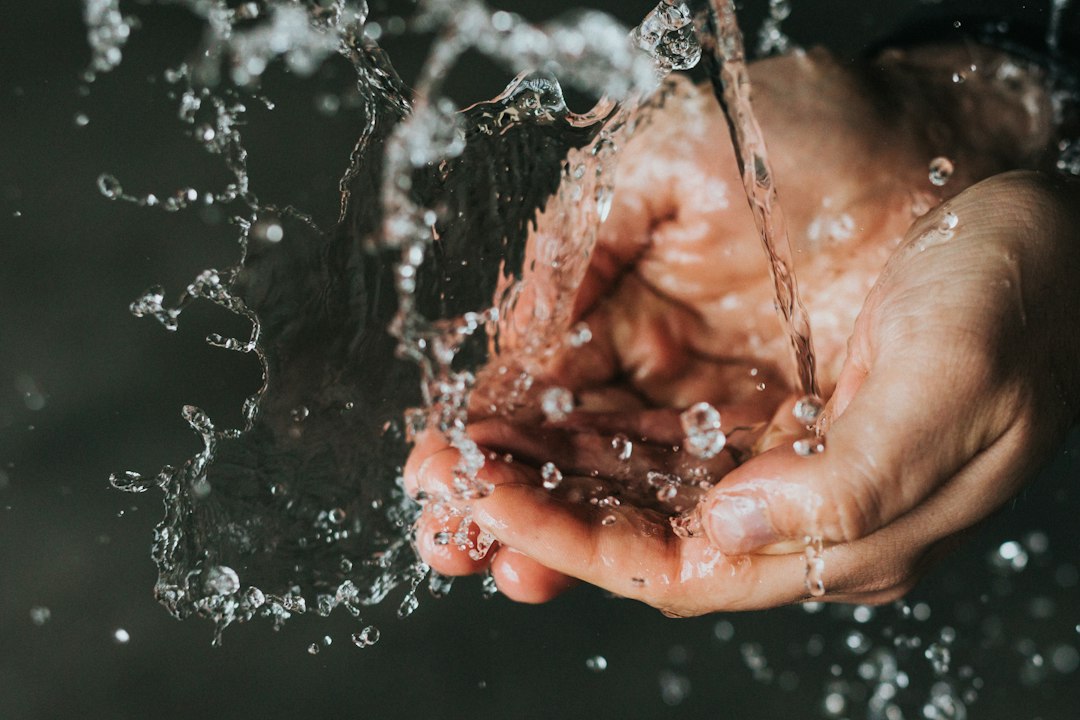
Global Handwashing Day 2026 will be observed on Thursday, 15 October 2026. The annual campaign promotes hand hygiene with soap as a practical public-health measure and encourages homes, schools, workplaces, healthcare settings and communities to make effective handwashing easier and more consistent.
Global Handwashing Day 2026 Overview
| Date | 15 October 2026 |
|---|---|
| Day | Thursday |
| Observed annually | October 15 |
| Focus | Handwashing with soap and accessible hand-hygiene facilities |
| First observed | 2008 |
What Is Global Handwashing Day?
Global Handwashing Day is an international awareness campaign held every October 15. It focuses attention on handwashing with soap and on the systems needed to make good hand hygiene possible, including reliable water, soap, suitable facilities and practical health education.
The campaign is coordinated by the Global Handwashing Partnership and is supported by organizations working in public health, water, sanitation and hygiene.
History of Global Handwashing Day
The first Global Handwashing Day was held in 2008. Since then, schools, governments, health organizations, civil-society groups and communities around the world have used October 15 to promote effective hand hygiene.
The observance is not only about reminding individuals to wash their hands. It also highlights the need for institutions and communities to provide the infrastructure and supplies that make handwashing possible.
Why Handwashing Matters
Hands can pick up microorganisms from surfaces, objects, food, bodily fluids and contact with other people. Touching the eyes, nose or mouth with contaminated hands can contribute to the spread of some infections.
Handwashing with soap and water can remove dirt and microorganisms from the hands. It is one part of broader hygiene and infection-prevention practices and should not be presented as a guarantee against every illness.
When Should You Wash Your Hands?
Public-health guidance commonly recommends cleaning hands at important moments, including before preparing or eating food, after using the toilet, after caring for someone who is ill, after coughing or sneezing into the hands, and when hands are visibly dirty.
Additional situations may apply in healthcare, food preparation, childcare and other settings. Follow the hygiene procedures appropriate to the environment.
How to Wash Hands Properly
For routine handwashing, wet the hands with clean running water, apply soap, lather all surfaces of the hands, scrub thoroughly, rinse under clean running water and dry using a clean method.
Do not focus only on the palms. The backs of the hands, between the fingers, fingertips, thumbs and areas around the nails can be missed.
How Long Should Handwashing Take?
Health authorities such as the CDC commonly advise scrubbing with soap for at least 20 seconds during routine handwashing. The entire process takes longer once wetting, rinsing and drying are included.
Technique matters along with duration. Rushing through a long timer while missing parts of the hands is less useful than thorough cleaning of all surfaces.
Soap and Water vs Hand Sanitizer
Soap and water are preferred in many situations, especially when hands are visibly dirty or greasy. Alcohol-based hand sanitizer can be useful when soap and water are not readily available, provided an appropriate product is used according to its label and public-health guidance.
Sanitizer is not a universal replacement for handwashing. Some situations specifically call for soap and water.
Hand Hygiene in Schools
Schools can support healthy habits by providing accessible handwashing stations, reliable water, soap and age-appropriate hygiene education. Facilities should be maintained so that students can actually use them throughout the day.
Teachers can demonstrate technique, but hygiene education should avoid shaming children. Positive routines and practical access are more constructive than fear-based messaging.
Hand Hygiene at Work
Workplaces can support hand hygiene by maintaining washrooms and handwashing facilities, ensuring essential supplies are available and following sector-specific hygiene requirements. Food service, healthcare and laboratory environments may require additional protocols.
Healthcare Settings
Hand hygiene is a core element of infection prevention and control in healthcare. Healthcare workers follow specific clinical guidance about when and how to clean their hands. Members of the public should not substitute general online instructions for professional infection-control protocols.
Water, Sanitation and Hygiene
Handwashing depends on more than individual knowledge. People need access to water, soap and functional facilities. This is why hand hygiene is closely connected with wider water, sanitation and hygiene—often called WASH—efforts.
Facilities should also be accessible to children, older people and people with disabilities.
Handwashing and Food Safety
Clean hands are important when preparing and serving food. Wash hands before food preparation and after handling situations that may contaminate them. Food businesses should follow applicable food-safety regulations and workplace procedures.
Hand hygiene complements other food-safety practices such as appropriate cooking, preventing cross-contamination and safe storage.
Common Handwashing Mistakes
- Washing too quickly.
- Missing thumbs, fingertips or between the fingers.
- Using only water when soap is available and appropriate.
- Touching contaminated surfaces immediately after washing.
- Assuming sanitizer always replaces soap and water.
- Failing to keep institutional handwashing facilities stocked and usable.
How to Observe Global Handwashing Day 2026
- Demonstrate correct handwashing technique.
- Check whether school or workplace handwashing stations have water and soap.
- Use posters near wash areas as practical reminders.
- Teach children about hygiene using age-appropriate activities.
- Discuss accessibility of handwashing facilities.
- Share reliable public-health guidance rather than viral hygiene myths.
- Review hygiene practices in food preparation and community facilities.
Global Handwashing Day 2026 Messages
Clean hands are a simple part of protecting health. Make soap, water and practical handwashing facilities accessible to everyone.
Global Handwashing Day 2026 is a reminder that good hygiene depends on both healthy habits and the facilities that make those habits possible.
Wash thoroughly, teach positively and keep handwashing facilities ready for use.
Short Handwashing Slogans
- Clean hands, healthier communities.
- Soap, water, scrub and rinse.
- Good hygiene starts with clean hands.
- Make handwashing easy for everyone.
- Twenty seconds of scrubbing matters.
- Clean hands belong in every school.
Health Misinformation and Hygiene
Hygiene advice can become exaggerated online. Handwashing is valuable, but excessive washing or harsh chemicals can irritate the skin, and no hygiene practice can guarantee complete protection from all infections.
Use recommendations from established public-health agencies and seek professional medical advice for health concerns rather than relying on viral remedies.
Frequently Asked Questions
When is Global Handwashing Day 2026?
It is observed on Thursday, 15 October 2026.
Is Global Handwashing Day held every year?
Yes. It is observed annually on October 15.
When was the first Global Handwashing Day?
The first observance was held in 2008.
Why is soap important?
Using soap with water helps remove dirt and microorganisms more effectively than a quick rinse with water alone.
How long should you scrub your hands?
Public-health guidance commonly recommends scrubbing with soap for at least 20 seconds.
Can hand sanitizer always replace soap and water?
No. Sanitizer can be useful in appropriate situations, but soap and water are preferred when hands are visibly dirty or when specific public-health guidance calls for handwashing.
How can schools participate?
Schools can maintain accessible facilities, demonstrate proper technique, use student activities and ensure soap and water are consistently available.
What is the official 2026 theme?
Use the Global Handwashing Partnership’s current 2026 campaign materials for the official annual theme rather than relying on unsourced theme lists.
Explore More on CareerSphere
Read more CareerSphere News, browse Latest Jobs, and visit the CareerSphere homepage.
Final Note
Global Handwashing Day 2026 highlights a basic health practice with wide relevance. Effective hand hygiene requires correct technique as well as dependable access to soap, water and usable facilities. October 15 is a useful opportunity for schools, workplaces and communities to turn awareness into sustainable everyday routines.
Leave a Reply