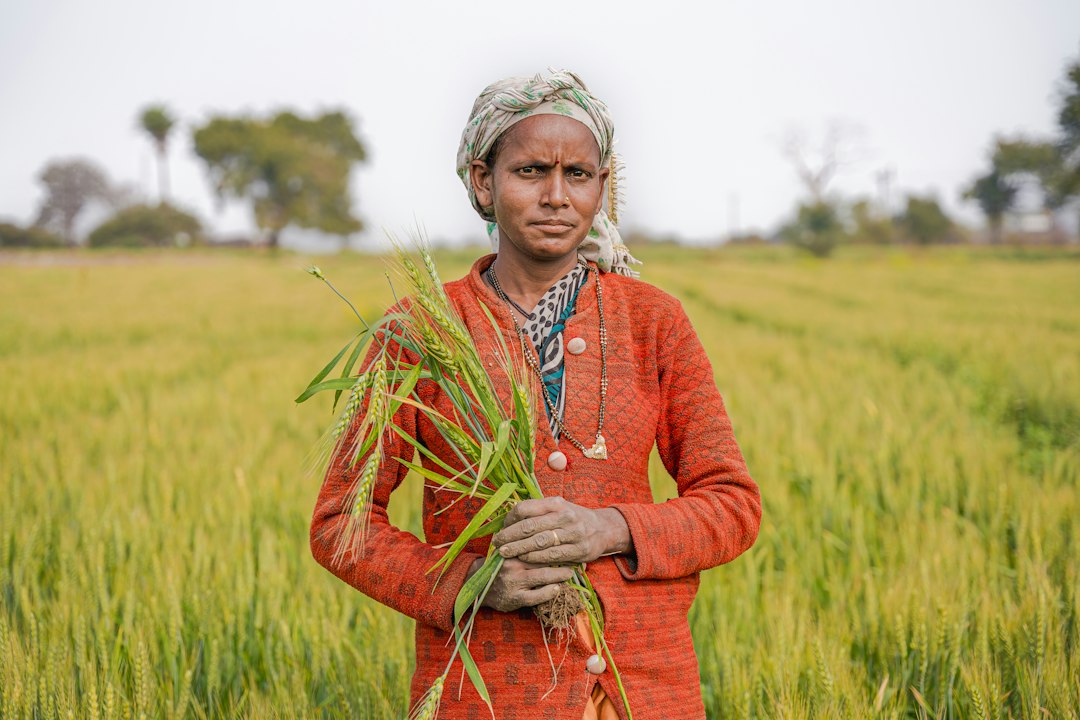
World Food Day 2026 will be observed on Friday, 16 October 2026. Led by the Food and Agriculture Organization of the United Nations (FAO), the annual observance draws global attention to food security, nutrition, sustainable agriculture and the need for resilient agrifood systems that can provide safe and nutritious food for everyone.
World Food Day 2026 Overview
| Date | 16 October 2026 |
|---|---|
| Day | Friday |
| Observed annually | October 16 |
| Led by | Food and Agriculture Organization of the United Nations (FAO) |
| Focus | Food security, nutrition, agriculture and sustainable agrifood systems |
What Is World Food Day?
World Food Day is an international observance focused on the challenges and opportunities involved in producing, distributing and accessing food. It encourages action on hunger and malnutrition while also examining how agriculture, water, climate, biodiversity, livelihoods, trade and food waste affect food systems.
Events are organized by governments, schools, universities, farmers’ organizations, civil-society groups, businesses and international organizations.
Why Is World Food Day Celebrated on October 16?
October 16 marks the anniversary of the founding of FAO in 1945. World Food Day was established by FAO member countries in 1979 and was first observed in 1981. It has since grown into a major global awareness occasion related to food and agriculture.
Food Security Explained
Food security is broader than simply having enough calories available. It involves reliable access to sufficient, safe and nutritious food that meets people’s dietary needs and supports an active and healthy life.
Food security can be affected by poverty, conflict, extreme weather, crop losses, food prices, supply-chain disruption, access to land and water, infrastructure and many other factors.
Nutrition and Healthy Diets
Good nutrition depends on access to a varied and appropriate diet. Nutritional needs differ by age, health status, activity and other individual factors. Public-health and dietary guidance should therefore come from qualified sources rather than viral diet claims.
World Food Day provides an opportunity to discuss both undernutrition and other forms of malnutrition, including nutrient deficiencies and diet-related health challenges.
Farmers and Food Producers
Farmers, fishers, livestock keepers, agricultural workers and food processors form the foundation of food supply chains. Their livelihoods can be affected by weather, input costs, market access, water availability, pests, infrastructure and price volatility.
Supporting resilient agriculture involves research, extension services, appropriate technology, access to markets and finance, sustainable management of natural resources and systems that recognize the needs of small-scale producers.
World Food Day and India
India has a large and diverse agricultural sector producing cereals, pulses, fruits, vegetables, milk, spices and many other commodities. Food security in India connects agriculture with storage, transportation, public distribution, nutrition programmes, markets and household purchasing power.
Different regions face different agricultural conditions, so solutions need to account for local crops, rainfall, soils, water resources, markets and farmer needs.
Reducing Food Loss and Waste
Food can be lost at multiple stages between farms and consumers. Better harvesting, storage, cold chains, transport and processing can reduce losses before food reaches shops or households.
Consumers can also reduce waste through sensible meal planning, appropriate storage, understanding date labels and using leftovers safely. Food safety should not be compromised merely to avoid waste.
Water and Food Production
Agriculture is closely connected with water availability. Efficient irrigation, soil management, crop choices and water conservation can help improve resilience where water is limited.
Water management must consider local ecosystems and competing needs for households, agriculture, industry and the environment.
Climate Resilience and Agriculture
Changing climate conditions can influence rainfall, heat, drought, floods, pests and crop productivity. Farmers and agricultural systems may need to adapt through locally appropriate practices, improved forecasting, resilient crop varieties, soil and water management and risk-management tools.
No single farming method is suitable for every crop and region. Agricultural recommendations should consider local evidence and conditions.
Technology in Agriculture
Digital tools, weather information, remote sensing, precision agriculture, improved seeds, mechanization and better logistics can help some farmers improve decision-making and efficiency. Technology is most useful when it is affordable, accessible and appropriate to local needs.
Digital literacy and reliable connectivity can therefore become important parts of modern agricultural development.
Food Safety Matters
Food security includes safety as well as availability. Safe handling, storage, cooking and clean water can reduce foodborne risks. Food businesses should follow applicable food-safety regulations and established hygiene procedures.
Consumers should be cautious about misinformation involving unsafe preservation methods, unverified supplements or extreme diets.
How Schools and Colleges Can Observe World Food Day 2026
- Organize discussions on food security and sustainable agriculture.
- Study the journey of a common food item from farm to plate.
- Conduct activities on reducing food waste.
- Invite agricultural or nutrition professionals for awareness sessions.
- Explore local crops and traditional food systems.
- Hold poster, essay or quiz competitions.
- Create a campus plan for responsible food-waste management.
World Food Day 2026 Messages
World Food Day 2026 reminds us that food connects farmers, families, communities, ecosystems and economies. Building resilient food systems requires cooperation across the entire chain.
Respect food, reduce avoidable waste and value the people who grow, transport and prepare what reaches our plates.
Safe, nutritious and accessible food is central to healthy communities and sustainable development.
Short World Food Day Slogans
- Respect food, reduce waste.
- From farm to plate, every step matters.
- Healthy food systems, stronger communities.
- Support farmers, strengthen food security.
- Save food, value resources.
- Better agriculture, resilient futures.
Careers in Food and Agriculture
Food systems create careers across agriculture, agricultural engineering, food technology, nutrition, veterinary science, fisheries, logistics, quality assurance, food safety, research, environmental science and public administration.
Students interested in these fields can explore relevant educational programmes and official recruitment opportunities through universities, research institutions, government departments and public-sector organizations.
Frequently Asked Questions
When is World Food Day 2026?
World Food Day 2026 is observed on Friday, 16 October 2026.
Why is World Food Day celebrated on October 16?
The date marks the anniversary of the founding of the Food and Agriculture Organization of the United Nations in 1945.
When was World Food Day established?
FAO member countries established World Food Day in 1979, and the first observance took place in 1981.
What is food security?
Food security broadly involves reliable access to sufficient, safe and nutritious food that meets dietary needs for a healthy life.
How can households reduce food waste?
Meal planning, appropriate storage, sensible portioning and safe use of leftovers can reduce avoidable household food waste.
Why are farmers important to World Food Day?
Farmers and other food producers are central to food systems and face challenges involving climate, markets, water, inputs, infrastructure and livelihoods.
How can students observe World Food Day?
Students can organize food-security discussions, waste-reduction projects, farm-to-plate activities, quizzes and sessions with agriculture or nutrition professionals.
What is the official World Food Day 2026 theme?
The official annual theme should be confirmed from FAO’s current World Food Day 2026 campaign materials rather than copied from unofficial theme lists.
Explore More on CareerSphere
Read more CareerSphere News, browse Latest Jobs, and visit the CareerSphere homepage.
Final Note
World Food Day 2026 is an opportunity to look at food as an interconnected system—from farms, water and soil to markets, kitchens and households. Reducing hunger and malnutrition, supporting producers, improving resilience and cutting avoidable waste all contribute to stronger and more sustainable food systems.
Leave a Reply