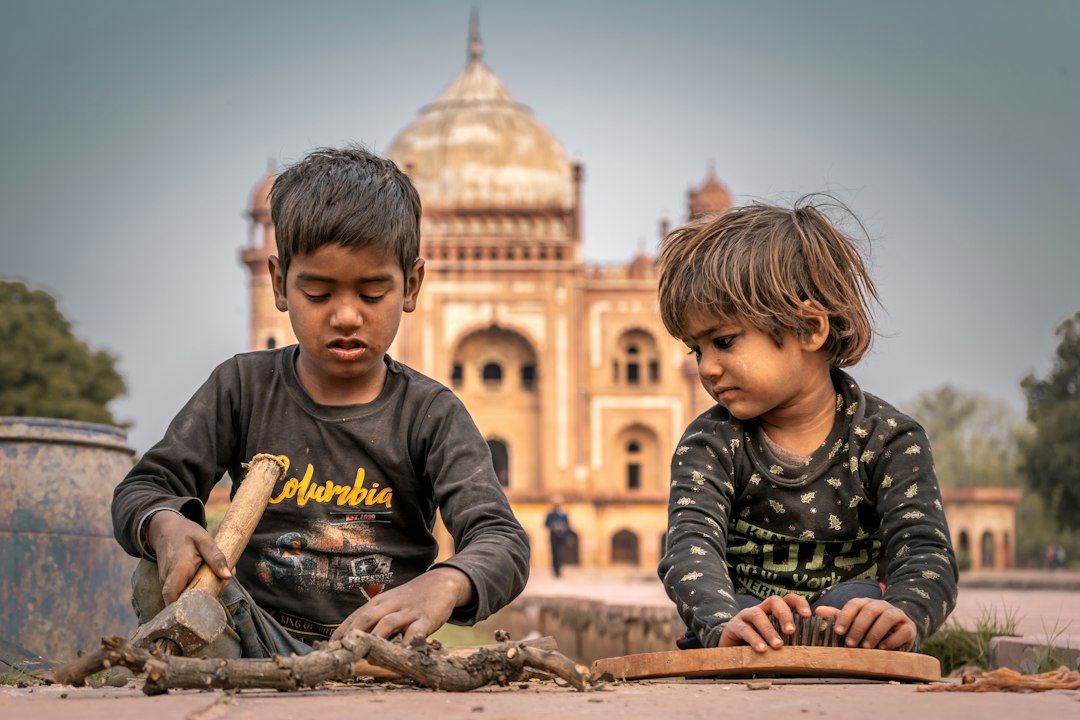
International Day for the Eradication of Poverty 2026 will be observed on Saturday, 17 October 2026. The United Nations observance draws attention to poverty in all its dimensions and emphasizes the dignity, rights, participation and lived experiences of people facing poverty.
International Day for the Eradication of Poverty 2026 Overview
| Date | 17 October 2026 |
|---|---|
| Day | Saturday |
| Observed annually | October 17 |
| Recognized by | United Nations |
| Focus | Ending poverty, protecting dignity and promoting inclusion |
What Is the International Day for the Eradication of Poverty?
The International Day for the Eradication of Poverty is a global observance that highlights the challenges faced by people living in poverty and the importance of ensuring that their voices are included in decisions that affect their lives.
Poverty is not limited to income alone. It can involve inadequate access to nutritious food, housing, healthcare, education, sanitation, safe water, social protection, employment opportunities and participation in community life.
History of October 17
The roots of the observance go back to 17 October 1987, when people gathered at the Trocadéro in Paris to honour victims of extreme poverty, violence and hunger and affirm the importance of human dignity. In 1992, the United Nations General Assembly officially designated October 17 as the International Day for the Eradication of Poverty through Resolution 47/196.
Understanding Poverty
Poverty can be measured in different ways. Income or consumption thresholds are widely used, but multidimensional approaches also examine deprivations in areas such as education, health and living standards.
Different measures answer different questions. A person may be above one monetary threshold while still facing serious barriers involving housing, health, education or essential services.
Why Dignity Matters
Discussions about poverty should avoid stereotypes that portray people as passive or responsible for structural barriers beyond their control. People experiencing poverty have knowledge about the conditions affecting their families and communities and should be able to participate meaningfully in the design of programmes and services.
Dignity also means access to public services without humiliation, discrimination or unnecessary barriers.
Education and Poverty Reduction
Quality education can expand skills, employment options and long-term opportunities. However, children from low-income households may face barriers involving transport, learning materials, digital access, nutrition, household responsibilities or the need to work.
Improving educational opportunity therefore involves not only enrolment but also retention, learning quality and practical support that helps students complete their education.
Employment and Decent Work
Employment can be an important pathway to economic security, but having a job does not automatically eliminate poverty. Wages, working conditions, job stability, skills, productivity and access to social protection all influence household well-being.
Skills development, vocational education, entrepreneurship and formal employment opportunities can play roles in improving livelihoods when matched with real economic demand.
Social Protection
Social-protection systems can help households manage risks associated with unemployment, disability, illness, old age, maternity and economic shocks. The design of these systems varies between countries.
Effective programmes need clear eligibility rules, accessible delivery, reliable administration and safeguards against exclusion and misuse.
Health and Poverty
Poverty and health can interact in both directions. Limited resources can make healthcare, nutrition and safe living conditions harder to access, while illness can reduce a household’s ability to work and create additional expenses.
Accessible healthcare and financial protection can therefore be important parts of broader poverty-reduction strategies.
Housing, Water and Sanitation
Safe housing, drinking water, sanitation and electricity influence health, education and economic participation. Infrastructure gaps can consume time, increase household costs and expose communities to environmental and health risks.
Urban and rural poverty may look different, requiring locally appropriate solutions.
Digital Inclusion
Access to digital services has become increasingly important for education, job searches, banking, government services and communication. Lack of affordable devices, connectivity or digital skills can create additional barriers.
Digital inclusion requires attention to affordability, accessibility, privacy, cybersecurity and skills—not simply internet coverage.
Poverty and Disaster Risk
Low-income households may have fewer resources to prepare for, withstand and recover from disasters and economic shocks. Housing location, insurance, savings, access to credit and social support can all influence resilience.
Risk-reduction policies can be more effective when vulnerable communities are involved in planning and implementation.
International Day for the Eradication of Poverty and India
India’s poverty-reduction efforts intersect with employment, education, food security, housing, financial inclusion, healthcare, rural development, urban services and social-protection programmes. Conditions vary substantially across states, districts and communities.
When discussing current poverty levels, readers should rely on recent official or established statistical sources because estimates can differ depending on methodology, reference year and poverty measure.
Role of Financial Inclusion
Access to appropriate savings, payments, credit and insurance can help households manage money and build resilience. Financial inclusion should also include consumer protection and financial literacy so that people understand costs, risks and obligations.
Credit alone is not a complete solution to poverty and can create problems when borrowing is unsuitable or unaffordable.
How Schools and Colleges Can Observe October 17
- Discuss different ways poverty is measured.
- Study links between education, health, employment and living standards.
- Organize student projects on local development challenges.
- Invite credible development professionals for awareness sessions.
- Discuss financial literacy and responsible financial inclusion.
- Examine the Sustainable Development Goals, including SDG 1.
- Promote respectful language that protects dignity.
International Day for the Eradication of Poverty 2026 Messages
Ending poverty requires more than income growth. Dignity, opportunity, essential services and meaningful participation matter too.
Listen to people experiencing poverty and include their knowledge in decisions that affect their communities.
Education, decent work, healthcare, social protection and inclusion can help build pathways toward greater economic security.
Short Slogans
- Dignity for everyone.
- End poverty, expand opportunity.
- Listen, include, act.
- Opportunity should reach every community.
- Development with dignity.
- Build pathways, remove barriers.
The Sustainable Development Goals
Ending poverty in all its forms everywhere is Sustainable Development Goal 1 of the United Nations 2030 Agenda. Poverty reduction is also closely connected with other goals involving hunger, health, education, gender equality, water, decent work, inequality and sustainable communities.
Progress therefore depends on coordinated action across multiple sectors rather than a single programme.
Frequently Asked Questions
When is the International Day for the Eradication of Poverty 2026?
It is observed on Saturday, 17 October 2026.
Is the observance held every year?
Yes. It is observed annually on October 17.
When did the United Nations recognize the day?
The UN General Assembly officially designated October 17 as the International Day for the Eradication of Poverty in 1992 through Resolution 47/196.
Why is October 17 historically significant?
The date recalls the 1987 gathering at the Trocadéro in Paris focused on extreme poverty, violence, hunger and human dignity.
Is poverty measured only by income?
No. Monetary measures are important, but multidimensional approaches also examine areas such as health, education and living standards.
Which Sustainable Development Goal focuses on poverty?
SDG 1 aims to end poverty in all its forms everywhere.
How can students observe the day?
Students can study poverty measures, explore development challenges, discuss financial literacy and organize projects that emphasize dignity and inclusion.
What is the official 2026 theme?
Any official annual theme should be confirmed from current United Nations materials for the 2026 observance rather than copied from unofficial theme lists.
Explore More on CareerSphere
Read more CareerSphere News, browse Latest Jobs, and visit the CareerSphere homepage.
Final Note
The International Day for the Eradication of Poverty 2026 is a reminder that poverty is multidimensional and that solutions need to respect dignity while expanding access to opportunity, education, healthcare, decent work, essential services and social protection. October 17 also emphasizes that people experiencing poverty should be participants in solutions, not merely subjects of discussion.
Leave a Reply