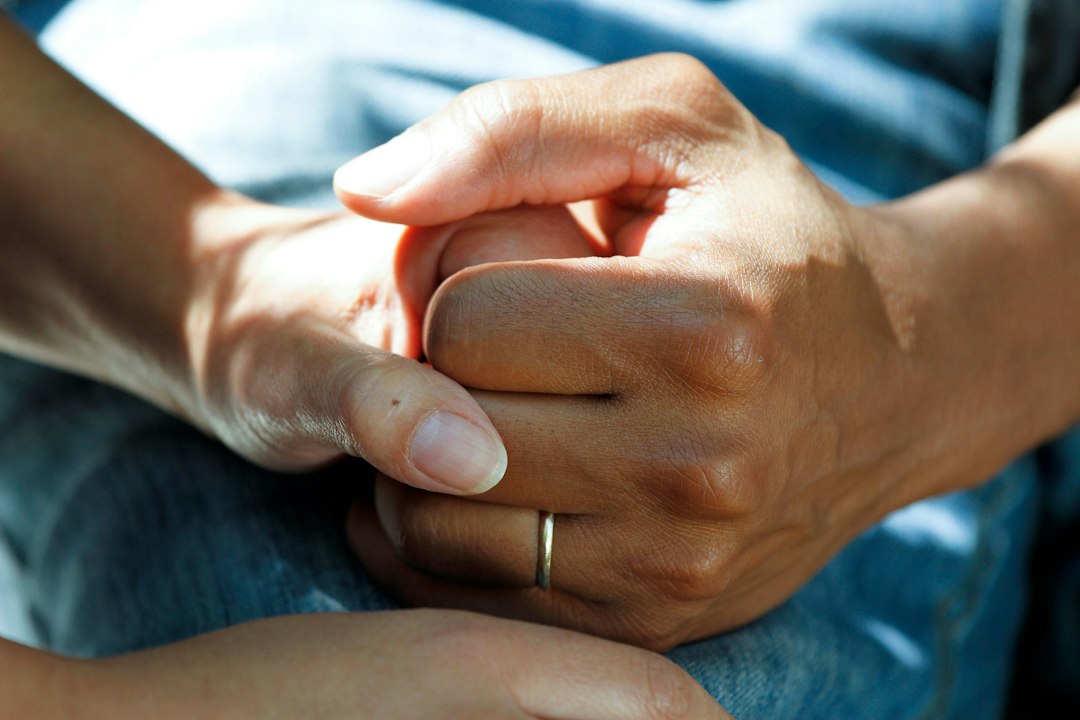
International Day of Care and Support 2026 will be observed on Thursday, October 29, 2026. The United Nations observance recognises the essential contribution of paid and unpaid care work to individuals, families, economies and societies, while drawing attention to the rights and needs of both people who provide care and those who receive it.
The United Nations General Assembly proclaimed October 29 as the International Day of Care and Support in 2023 through Resolution A/RES/77/317. The day encourages greater recognition of care work and stronger, inclusive care and support systems.
International Day of Care and Support 2026: Quick Facts
| Date | October 29, 2026 |
| Day | Thursday |
| Established | 2023 |
| Established by | United Nations General Assembly |
| Resolution | A/RES/77/317 |
| First observance | October 29, 2023 |
| Main focus | Care, support, care workers, caregivers and care recipients |
| UN partners | UN Women, ILO and OHCHR |
What Is the International Day of Care and Support?
The International Day of Care and Support is a UN-recognised day dedicated to the importance of care in society. Care can include childcare, support for older persons, assistance for persons with disabilities, healthcare-related support, domestic work and many other activities that allow individuals and households to function.
Some care is performed as paid professional work, while a large amount takes place unpaid within families and communities. The observance seeks to make both forms more visible and to promote care systems that respect the rights and dignity of care workers and care recipients.
When Is International Day of Care and Support 2026?
The day is observed annually on October 29. In 2026, October 29 falls on a Thursday. It comes near the end of a month filled with major international observances, including Global Media and Information Literacy Week 2026.
History of International Day of Care and Support
In July 2023, the United Nations General Assembly adopted Resolution A/RES/77/317 and proclaimed October 29 as the International Day of Care and Support. The first observance took place later that year.
The resolution recognises the importance of investing in the care economy and developing care and support systems that are resilient, inclusive and responsive to gender, disability and age. It also highlights the need to recognise, reduce, value and redistribute unpaid care and domestic work.
Why Was the Day Established?
Care is fundamental to everyday life, but much of it can remain invisible in conventional economic measures and public discussion. Families care for children, older relatives, people who are ill and persons who require assistance with daily activities. Professional care workers perform essential roles in homes, hospitals, schools and community settings.
The UN observance aims to increase awareness of this contribution while encouraging policies and investment that support both care providers and recipients.
International Day of Care and Support 2026 Theme
Official annual campaign language can change. CareerSphere only presents a phrase as the official 2026 theme when it is confirmed through current United Nations, ILO, UN Women or OHCHR materials. We do not label an unsourced calendar slogan as official.
The continuing focus of the observance is clear: recognising care and support as essential to sustainable societies, strengthening inclusive care systems and promoting decent conditions for care workers.
What Is the Care Economy?
The care economy includes paid and unpaid activities involved in caring for people. Paid care occupations can include nursing, childcare, domestic work, elder care, personal assistance, teaching and other support roles, depending on how the term is defined in a particular context.
Unpaid care includes tasks performed within households and communities without direct wages. Examples include looking after children, assisting an older family member, cooking, cleaning and supporting a relative who is ill or has a disability.
Paid Care Work and Decent Work
Paid care workers provide services that societies rely on every day. The UN resolution stresses the importance of recognising and valuing paid care workers as essential workers and promoting decent work in the care economy.
Decent work includes issues such as fair working conditions, social protection, occupational safety and respect for labour rights. The specific legal rights and employment arrangements of care workers vary between countries and occupations.
Understanding Unpaid Care Work
Unpaid care work is essential but can consume substantial time. According to figures highlighted by the United Nations from ILO research, women perform a disproportionate share of unpaid care work globally.
This matters because time spent on unpaid care can affect access to education, paid employment, career advancement and rest. The UN framework therefore discusses recognising, reducing and redistributing unpaid care and domestic work rather than treating it as an unlimited private resource.
Care and Gender Equality
Care responsibilities are closely connected with gender equality because unpaid care is not distributed evenly. The UN notes that women perform 76.2% of the total amount of unpaid care work globally and spend about 3.2 times as much time on it as men.
These are global figures and do not describe every household or country. They nevertheless illustrate why care policies are frequently discussed alongside employment, social protection and equal opportunity.
Care for Older Persons
Population ageing is increasing demand for care and support in many societies. Older persons may need help with healthcare, mobility, household tasks or social connection, while many older adults also provide substantial care to spouses, grandchildren and other family members.
Good care systems should recognise older persons as individuals with rights, preferences and agency rather than viewing ageing only through dependency.
Disability-Inclusive Care and Support
The UN resolution specifically refers to disability-inclusive care and support systems. Support should respect autonomy, accessibility and individual choice. Persons with disabilities may require different forms of assistance, but disability should not automatically be equated with dependence.
Inclusive systems should involve the people receiving support in decisions that affect their lives and should recognise the rights and working conditions of those providing assistance.
Supporting Family Caregivers
Family caregivers can manage appointments, medication routines, transport, meals, personal care and household responsibilities. These tasks can be demanding when combined with paid employment or other family responsibilities.
Useful support can include access to reliable information, respite services, flexible workplace arrangements, community services and appropriate professional assistance. Availability differs widely by location.
Why Care Systems Matter for Sustainable Development
Care systems affect employment, education, health and participation in society. Accessible childcare can influence parents’ ability to work. Support for older persons or people with disabilities can affect the wellbeing of entire households. Decent jobs in care services can also contribute to employment and economic activity.
For these reasons, the UN links care and support with sustainable development rather than treating them only as private family matters.
International Day of Care and Support 2026 Activities
- Care appreciation wall: Recognise caregivers, care workers and support professionals in the community.
- Care-work diary: Track household care tasks for one day to understand how much time they require.
- Community discussion: Talk about local childcare, elder-care and disability-support needs.
- Workplace session: Discuss policies that help employees balance work and caregiving responsibilities.
- Student interview: Interview a care professional about skills and challenges in the field.
- Thank-you campaign: Create messages recognising people who provide care.
- Career awareness: Explore professional opportunities in healthcare, social care, childcare and community support.
- Accessibility audit: Examine whether community services are accessible to people with different needs.
Activities for Schools and Colleges
Schools can use the observance to teach empathy, shared responsibility and respect for care workers. Students can create posters about caring communities, discuss how household responsibilities are shared or research careers connected with care and support.
Colleges can organise discussions on the economics of care, ageing populations, disability inclusion or workplace policies. Social-work, nursing, economics and management students can examine care from different professional perspectives.
Career Opportunities in the Care Economy
The care economy includes a wide range of careers. Depending on qualifications and local regulations, roles may include nurses, doctors, physiotherapists, occupational therapists, social workers, childcare professionals, counsellors, community health workers, personal support workers and care-service managers.
These careers require different levels of education and licensing. Students interested in the sector should check the qualification and registration requirements applicable in their country or state.
International Day of Care and Support 2026 Speech
Good morning everyone. Today, October 29, we observe the International Day of Care and Support. The United Nations established this day to recognise the importance of care in our homes, workplaces, communities and economies.
Care is part of every stage of life. Children need care as they grow, people may need support during illness or disability, and many older persons benefit from assistance. At the same time, millions of professionals and family members provide care every day.
This observance reminds us that care work should be recognised and respected. We should also think about how responsibilities can be shared fairly and how care workers can receive decent working conditions. A caring society is one that respects both the people receiving support and the people providing it. Thank you.
Messages and Wishes
- On International Day of Care and Support, thank you to everyone whose care makes daily life possible.
- Care deserves recognition, respect and support.
- Strong communities are built when both caregivers and care recipients are valued.
- Every act of care matters, whether it happens at home, at work or in the community.
- Recognise care. Share responsibility. Support dignity.
- Thank you to professional and family caregivers for the work you do every day.
Short Captions and WhatsApp Status
- 🤝 October 29 | International Day of Care and Support 2026
- Care is essential work.
- Support those who care and those who receive care.
- Recognise. Value. Share care.
- Care builds stronger communities.
- Respect caregivers. Respect care recipients.
GK Questions and Answers
When is International Day of Care and Support 2026?
It is observed on Thursday, October 29, 2026.
When was the observance established?
The UN General Assembly proclaimed the day in 2023.
Which resolution established it?
United Nations General Assembly Resolution A/RES/77/317.
When was the first International Day of Care and Support?
The first observance was on October 29, 2023.
Which UN organisations facilitate the observance?
UN Women, the International Labour Organization and the Office of the UN High Commissioner for Human Rights have key roles in facilitating the observance.
Frequently Asked Questions
What is care work?
Care work includes activities that support people’s physical, psychological and social needs. It can be paid professional work or unpaid work within families and communities.
Why is unpaid care work important?
It enables households and communities to function, but heavy unpaid responsibilities can affect a person’s time for education, paid employment, rest and other activities.
Is the International Day of Care and Support a UN observance?
Yes. The UN General Assembly established it through Resolution A/RES/77/317 in 2023.
Does the day focus only on women?
No. The observance concerns everyone who provides or requires care and support. Gender equality is an important dimension because global data show women perform a disproportionate share of unpaid care work.
How can workplaces observe the day?
Workplaces can recognise care workers, discuss caregiving responsibilities, review family-friendly policies and provide information about available employee support.
How can students participate?
Students can create awareness posters, interview care professionals, explore care-related careers and discuss how care responsibilities are shared in society.
Why Care and Support Deserves Attention in 2026
Care work supports families, communities and health systems, but much of it is unpaid or undervalued. An awareness programme can help participants understand the different forms of care, including support for children, older people, people with disabilities and people living with illness. It can also introduce the idea that care systems depend on both individual relationships and public services.
Schools can use the day to discuss empathy, intergenerational responsibility and community support. Colleges can examine care work as an employment sector and consider the skills required in nursing, social work, allied health, childcare and community services. Workplaces can review whether carers are aware of available leave, flexible-working or employee-support policies where those provisions exist.
Activities That Create Useful Awareness
A strong event can include a short presentation, a carer-experience discussion with appropriate consent, a resource list for local services and a reflection exercise on the invisible work involved in supporting others. Organisers should protect privacy and avoid presenting personal stories without informed permission.
Related CareerSphere Guides
Continue with World Homeless Day 2026, World Development Information Day 2026 and World Food Day 2026.
Conclusion
International Day of Care and Support 2026 on October 29 provides an opportunity to recognise something that is essential but often overlooked: societies depend on care.
From professional care workers to family caregivers, millions of people provide support that enables others to learn, work, recover, participate and live with dignity. The UN observance encourages communities and institutions to value this contribution while building care systems that are inclusive, sustainable and respectful of the rights of everyone involved.
Leave a Reply