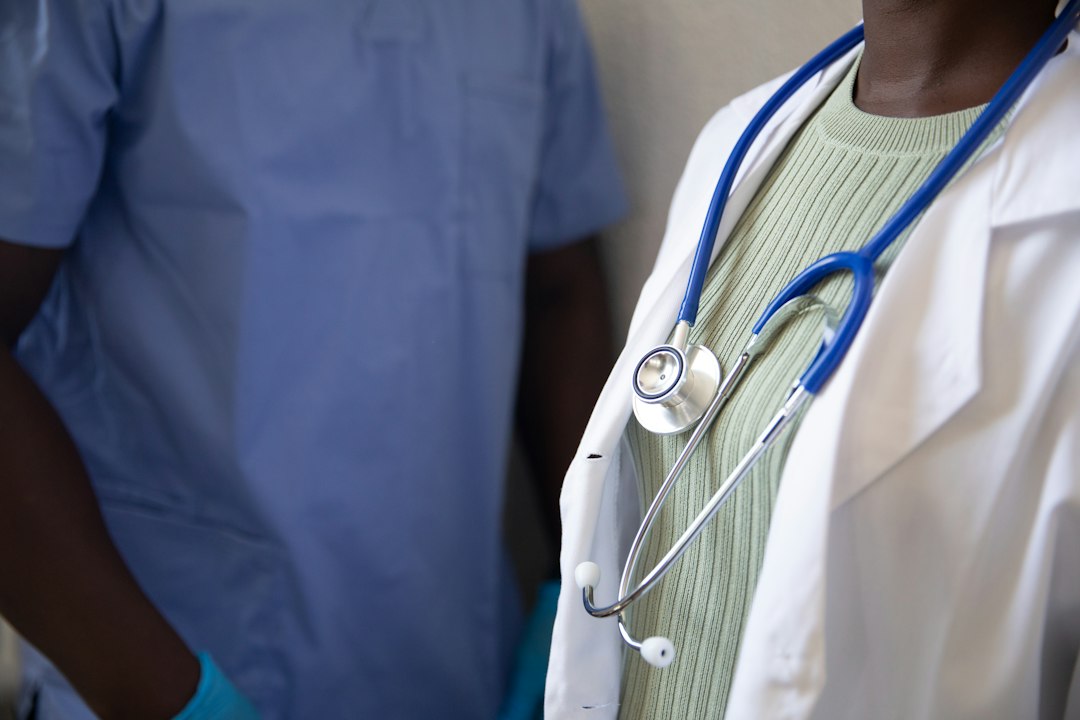
International Day of Epidemic Preparedness 2026: December 27, History, Importance & Key Facts
International Day of Epidemic Preparedness 2026 will be observed on December 27, 2026. The day highlights the importance of preventing epidemics, strengthening health systems, improving preparedness, sharing reliable information and building cooperation before health emergencies occur.
International Day of Epidemic Preparedness 2026: Quick Facts
| Fact | Details |
|---|---|
| Day | International Day of Epidemic Preparedness |
| Date | December 27, 2026 |
| Observed | Every year |
| Proclaimed by | United Nations General Assembly |
| Resolution | A/RES/75/27 |
| Main focus | Epidemic prevention, preparedness, partnership and public awareness |
| Category | International observance |
What Is International Day of Epidemic Preparedness?
International Day of Epidemic Preparedness is an annual United Nations observance that encourages governments, health institutions, communities, civil society, educational institutions and individuals to strengthen their ability to prevent and respond to epidemics. The observance emphasizes that preparedness should begin before an outbreak becomes an emergency.
Epidemics can place pressure on hospitals, health workers, supply chains, schools, workplaces and local economies. Preparedness therefore involves more than medical treatment. It includes surveillance, early detection, clear communication, strong primary healthcare, trained personnel, emergency planning, cooperation and equitable access to essential health tools.
When Is International Day of Epidemic Preparedness 2026?
International Day of Epidemic Preparedness 2026 will be observed on Sunday, December 27, 2026. The date is fixed and the observance takes place every year on December 27.
History of International Day of Epidemic Preparedness
The United Nations General Assembly proclaimed December 27 as the International Day of Epidemic Preparedness through Resolution A/RES/75/27, adopted on December 7, 2020. The resolution followed the global experience of COVID-19 and stressed the need for resilient health systems, awareness, scientific knowledge, education and cooperation.
The date also recognizes the birthday of Louis Pasteur, whose scientific work made major contributions to microbiology and the understanding of infectious disease. The observance was created to encourage sustained attention to epidemic prevention and preparedness rather than waiting until a crisis is already widespread.
Why Is Epidemic Preparedness Important?
1. Early detection can reduce harm
Rapid identification of unusual disease patterns can help health authorities investigate and respond before transmission becomes more difficult to control. Strong surveillance and timely reporting are therefore important parts of preparedness.
2. Health systems need resilience
Hospitals and primary health centres need adequate staff, equipment, medicines, testing capacity, infection-prevention systems and emergency plans. Resilient health services are better positioned to continue essential care while responding to an outbreak.
3. Reliable information protects communities
During an outbreak, misinformation can create fear, confusion and harmful behaviour. Public communication should be timely, understandable and based on credible health information. People should verify important health claims before sharing them.
4. Cooperation makes preparedness stronger
Epidemics can cross borders. Governments, international organizations, scientists, healthcare workers, laboratories, communities and other partners need mechanisms for sharing information and coordinating action.
5. Vulnerable communities need special attention
Older people, children, people with disabilities, people living in underserved areas and communities with limited access to healthcare can face additional risks during health emergencies. Preparedness plans should be inclusive and designed to reduce avoidable inequalities.
Key Areas of Epidemic Preparedness
| Area | What It Means |
|---|---|
| Surveillance | Monitoring health trends and unusual disease activity |
| Early warning | Identifying potential outbreaks quickly |
| Healthcare capacity | Maintaining staff, facilities, supplies and emergency plans |
| Laboratory readiness | Supporting appropriate testing and disease investigation |
| Risk communication | Sharing clear, accurate and timely information |
| Community participation | Helping people understand and follow appropriate public-health measures |
| Partnership | Coordinating across health, government, science and community sectors |
International Day of Epidemic Preparedness and One Health
Epidemic preparedness is not limited to human healthcare. The United Nations highlights the value of an integrated One Health approach, which recognizes connections among human health, animal health, plant health and the environment. Cooperation across these areas can strengthen understanding and response to infectious disease risks.
How Can People Observe International Day of Epidemic Preparedness 2026?
The day can be observed through practical, responsible awareness activities. The aim is not to create fear but to improve preparedness and encourage informed action.
Five-step community preparedness activity
- Check reliable information: Identify trusted public-health sources used in your country and community.
- Prepare a contact list: Keep important healthcare, emergency and family contacts accessible.
- Review basic plans: Discuss how your household would communicate and manage essential needs during a local health emergency.
- Learn how to verify claims: Check the source, date, evidence and context before forwarding health information.
- Share useful information: Encourage friends, classmates, colleagues or community members to rely on qualified health authorities for medical guidance.
Activities for Schools and Colleges
- Conduct a poster or infographic competition on epidemic preparedness.
- Organize a session on misinformation and responsible health communication.
- Ask students to prepare a simple household emergency communication plan.
- Discuss how vaccination, sanitation, surveillance and primary healthcare contribute to prevention.
- Conduct a classroom exercise comparing a reliable health message with an unverified social-media claim.
- Invite a qualified healthcare professional to explain outbreak preparedness and community responsibility.
Workplace and Community Activities
Offices, local organizations and community groups can use the observance to review emergency communication channels, identify essential contacts, discuss continuity plans and remind people not to spread unverified medical claims. Community preparedness works best when responsibilities are clear and information is accessible to everyone.
How to Check Whether a Health Claim Is Reliable
Before sharing a disease-related message, use this simple checklist:
- Source: Is the information from a recognized health authority, medical institution or qualified professional?
- Date: Is the information current?
- Evidence: Does the claim provide credible evidence rather than only an anecdote?
- Context: Has a statement been taken out of context?
- Action: Does it recommend a safe and appropriate action?
People should not use social-media posts as a substitute for professional medical advice. Anyone who is unwell or concerned about symptoms should seek appropriate healthcare guidance.
Messages for International Day of Epidemic Preparedness 2026
- “Prepared communities can respond faster and recover stronger. Let us make epidemic preparedness a shared responsibility.”
- “Reliable information, resilient health systems and global cooperation are essential for a safer future.”
- “On International Day of Epidemic Preparedness 2026, let us learn from past health emergencies and prepare responsibly for future challenges.”
- “Prevention begins with awareness, preparedness and cooperation. Let us build healthier and more resilient communities.”
Key Takeaways
- International Day of Epidemic Preparedness is observed every year on December 27.
- The 2026 observance falls on December 27, 2026.
- The United Nations proclaimed the day through Resolution A/RES/75/27 in 2020.
- Preparedness includes surveillance, resilient healthcare, communication, education and cooperation.
- Reliable information is an important part of public-health preparedness.
- A One Health approach recognizes links among human, animal and environmental health.
- Preparedness should include vulnerable communities and promote equitable access to essential health services.
Why the International Day of Epidemic Preparedness Matters
The International Day of Epidemic Preparedness highlights the importance of preparedness, public-health capacity, timely information and cooperation. Readers should rely on recognised public-health authorities for health guidance and use the observance to understand preparedness rather than sharing unverified medical claims.
- Follow official public-health advice.
- Use reliable sources when discussing outbreaks or prevention.
- Share verified information responsibly.
Frequently Asked Questions
What is the date of International Day of Epidemic Preparedness 2026?
International Day of Epidemic Preparedness 2026 will be observed on December 27, 2026.
Why is International Day of Epidemic Preparedness observed?
It raises awareness about preventing epidemics and strengthening preparedness, health systems, education, information sharing and partnerships.
Who proclaimed International Day of Epidemic Preparedness?
The United Nations General Assembly proclaimed the observance through Resolution A/RES/75/27, adopted on December 7, 2020.
What is the main message of the day?
The central message is that prevention, preparedness and cooperation should be strengthened before an epidemic becomes a major emergency.
How can students observe the day?
Students can organize awareness activities, learn how to verify health information, prepare educational posters and discuss the importance of preparedness with their school or college community.
International Day of Epidemic Preparedness 2026 Checklist
- ☐ Learn the date: December 27, 2026
- ☐ Identify reliable health-information sources
- ☐ Review important family and emergency contacts
- ☐ Learn basic misinformation-checking steps
- ☐ Participate in a responsible awareness activity
- ☐ Share verified information instead of unconfirmed claims
For more important-day updates, visit the CareerSphere News category. You can also explore related awareness articles such as World AIDS Day 2026 and Universal Health Coverage Day 2026.
Conclusion
International Day of Epidemic Preparedness 2026 is an opportunity to focus on readiness before the next health emergency occurs. Strong health systems, early detection, reliable communication, community participation and international cooperation can all improve preparedness. By learning from past outbreaks and supporting evidence-based public-health action, communities can become more resilient and better equipped to protect lives.
Leave a Reply