International E-Waste Day 2026: Date, Meaning, Recycling, Activities & Facts
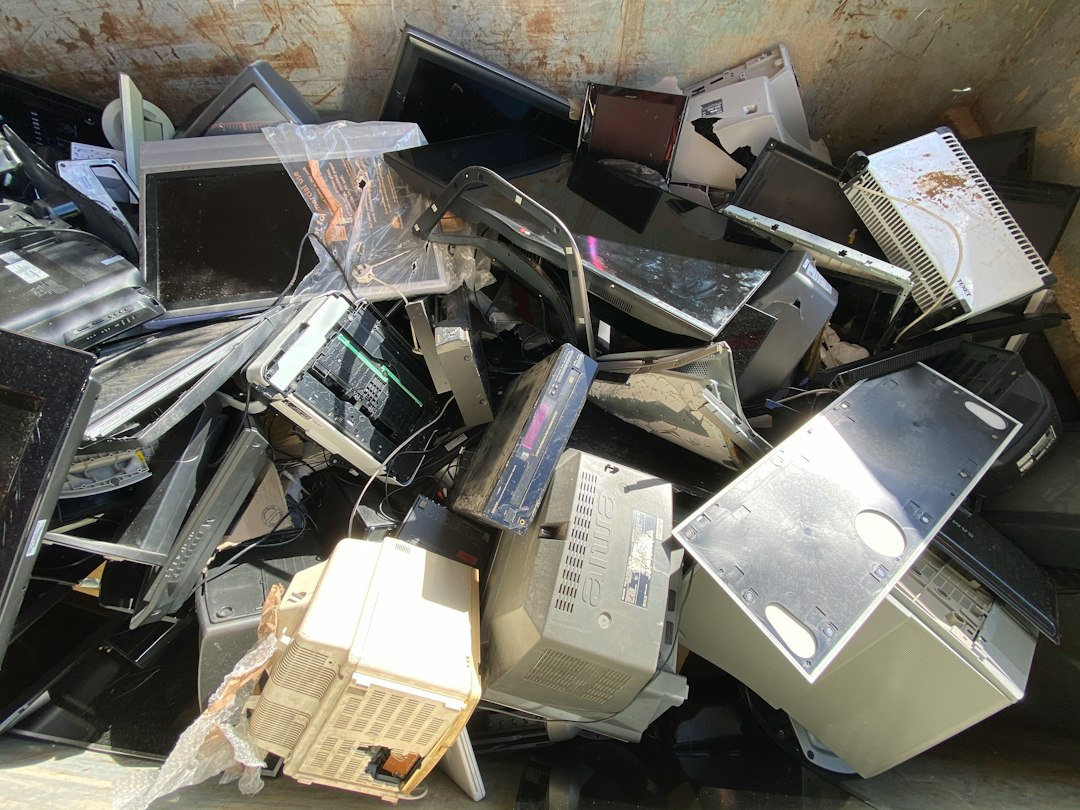
International E-Waste Day 2026 will be observed on Wednesday, 14 October 2026. The annual campaign highlights the growing challenge of discarded electrical and electronic equipment and encourages responsible collection, reuse, repair and recycling.
The initiative is led by the WEEE Forum and its members. International E-Waste Day was launched in 2018 and is now used by organisations, schools, businesses, recyclers and communities to improve awareness about what happens to electronics when people no longer need them.
International E-Waste Day 2026: Quick Facts
| Date | 14 October 2026 |
| Day | Wednesday |
| Observed | Annually on 14 October |
| Initiative | WEEE Forum and its members |
| First launched | 2018 |
| Focus | Responsible e-waste collection, reuse and recycling |
What Is International E-Waste Day?
International E-Waste Day is a global awareness campaign dedicated to waste electrical and electronic equipment, often shortened to e-waste or WEEE. The campaign encourages households, institutions and businesses to recognise that unwanted electronics should not automatically be treated like ordinary household rubbish.
Many electrical products contain valuable materials that can potentially be recovered through appropriate recycling systems. They can also contain components that require controlled handling. Local rules and collection systems differ, so responsible disposal means using authorised or recognised channels available in your area.
When Is International E-Waste Day 2026?
The observance takes place every year on 14 October. In 2026, International E-Waste Day falls on a Wednesday. Schools and workplaces can use the date to organise awareness sessions, inventory old equipment or promote approved collection programmes.
History of International E-Waste Day
The WEEE Forum launched International E-Waste Day in 2018. The initiative was created to raise the public profile of electrical and electronic waste and encourage more responsible management of discarded equipment.
The campaign has since attracted participation from organisations in many countries. Activities can include public education, collection campaigns, repair and reuse initiatives, recycling events and discussions about circular use of electronic products.
What Counts as E-Waste?
E-waste can include electrical or electronic products that have reached the end of their useful life for their current owner. Depending on local definitions, examples can include:
- Mobile phones, tablets and chargers.
- Laptop and desktop computers.
- Monitors, televisions and other displays.
- Printers, scanners and networking equipment.
- Small household electrical appliances.
- Large household appliances.
- Cables, accessories and some electronic toys.
- Lamps and lighting equipment covered by local WEEE rules.
Not every product follows the same disposal route. Batteries, for example, may require a separate collection system.
Why E-Waste Matters
The world uses an enormous and growing range of electronic products. When equipment is discarded, valuable metals and other materials can be lost if products are dumped, stored indefinitely or processed through inappropriate channels.
The Global E-waste Monitor 2024, produced by ITU and UNITAR, reported that the world generated 62 million tonnes of e-waste in 2022, while only 22.3% was documented as formally collected and recycled in an environmentally sound manner. Those figures refer specifically to 2022 and should not be presented as a 2026 total.
International E-Waste Day 2026 Theme
At the time of publication, CareerSphere has not identified a clearly announced official 2026 International E-Waste Day theme from the WEEE Forum. We therefore do not invent one. The article can be updated when the organiser publishes the 2026 campaign theme or slogan.
Reduce, Repair, Reuse and Recycle
Recycling is important, but it is not always the first option for a functioning device. Depending on condition, safety, economics and local services, extending product life through maintenance, repair, refurbishment, resale or donation may reduce the need for premature replacement.
When a device truly reaches the end of its useful life, appropriate recycling can help recover materials and manage components safely. Consumers should use recognised collection points or programmes rather than informal disposal routes that may expose people or the environment to unnecessary risks.
What to Do Before Recycling a Phone or Computer
- Back up what you need: save important personal or work files using an appropriate secure method.
- Sign out of accounts: remove account associations where the device allows it.
- Remove removable storage: take out SIM cards and memory cards when appropriate.
- Erase personal data: follow the device manufacturer’s recommended secure reset or erasure procedure.
- Check ownership rules: business and institutional devices may need formal asset-disposal approval.
- Choose an authorised route: use an approved take-back, collection or recycling programme applicable in your location.
International E-Waste Day Activities
- Run an awareness session explaining what e-waste includes.
- Map recognised e-waste collection options in your community.
- Conduct an inventory of unused institutional electronics.
- Organise an approved collection drive with an authorised recycler.
- Hold a repair-awareness workshop for suitable, safe products.
- Teach students about the materials contained in electronics.
- Promote secure data removal before devices leave an organisation.
- Discuss how product life extension can support a circular economy.
Activities for Schools and Colleges
Students can identify electronic products used during a normal school day and research what materials they contain. Another activity is to trace a device’s lifecycle from raw materials and manufacturing through use, reuse and final recycling.
If a school conducts an e-waste collection drive, it should first partner with an appropriate authorised collector and specify exactly which items are accepted. Students should not dismantle discarded electronics as a classroom activity because some components can present safety hazards.
30-Minute E-Waste Awareness Programme
- 3 minutes: introduce International E-Waste Day and its October 14 date.
- 7 minutes: explain what counts as e-waste.
- 5 minutes: present the 2022 Global E-waste Monitor figures with their correct year.
- 10 minutes: groups classify sample devices as repair, reuse, donation or recycling candidates.
- 5 minutes: discuss data security and approved disposal channels.
E-Waste Checklist for Offices
- Maintain an accurate inventory of electronic assets.
- Identify equipment that can safely remain in service longer.
- Separate reusable equipment from true end-of-life equipment.
- Follow organisational approval procedures before disposal.
- Remove sensitive data using the organisation’s security policy.
- Use authorised vendors and retain disposal documentation where required.
- Handle batteries and other special components according to applicable rules.
International E-Waste Day 2026 Messages
- International E-Waste Day 2026: keep electronics in use responsibly and recycle them correctly when their useful life ends.
- 14 October is a reminder that old electronics still contain valuable materials.
- Before replacing a device, consider whether safe repair or reuse is practical.
- Protect your data before handing over an old phone, tablet or computer.
- Responsible e-waste management starts with knowing where your electronics go.
International E-Waste Day Captions
- ♻️ 14 October — International E-Waste Day 2026.
- Old device? Repair, reuse or recycle responsibly.
- Don’t let valuable electronics become ordinary rubbish.
- Clear your data. Choose an approved recycling route.
- Think circular before throwing electronics away.
Short Speech for International E-Waste Day 2026
Good morning everyone. Today, 14 October, we observe International E-Waste Day. Electronic devices make communication, education and work easier, but they also create a growing waste challenge when they reach the end of their useful lives.
The Global E-waste Monitor reported that 62 million tonnes of e-waste were generated worldwide in 2022, while only a fraction was documented as formally collected and recycled. This reminds us why repair, reuse and responsible recycling matter.
We can start with simple actions: use devices for as long as practical, protect our personal data before disposal and choose recognised collection or recycling channels. Responsible technology use includes thinking about what happens after we stop using a product. Thank you.
10 Lines on International E-Waste Day
- International E-Waste Day is observed on 14 October.
- In 2026, it falls on Wednesday.
- The WEEE Forum launched the initiative in 2018.
- It raises awareness about discarded electrical and electronic equipment.
- Phones, computers and appliances can become e-waste.
- Repair and reuse can sometimes extend a product’s useful life.
- End-of-life electronics should use appropriate collection channels.
- Personal data should be removed before handing over devices.
- Schools should not ask students to dismantle e-waste.
- Responsible recycling can help recover valuable materials.
International E-Waste Day Quiz
When is International E-Waste Day?
14 October every year.
Who launched International E-Waste Day?
The WEEE Forum launched the initiative in 2018.
How much e-waste was generated globally in 2022?
The Global E-waste Monitor 2024 reported 62 million tonnes for 2022.
Should a working device always be recycled immediately?
No. Depending on its condition and circumstances, repair, reuse, refurbishment or donation may extend its useful life.
Why should data be erased before disposal?
Phones and computers can contain personal or organisational information, so secure data handling is an important part of responsible device disposal.
How to Organise an E-Waste Collection Drive
- Identify an authorised collection or recycling partner.
- Confirm which equipment categories the partner accepts.
- Publish clear collection dates and instructions.
- Tell participants to remove personal data before handover.
- Provide separate guidance for batteries if necessary.
- Store collected equipment securely until pickup.
- Record the quantity collected and obtain appropriate documentation.
- Share the result with participants to close the awareness loop.
Related October 2026 Awareness Days
Readers can also explore World Environmental Health Day 2026, World Standards Day 2026 and World Cities Day 2026.
Frequently Asked Questions
What is the date of International E-Waste Day 2026?
It is Wednesday, 14 October 2026.
What is the official 2026 theme?
CareerSphere has not identified a clearly announced official 2026 WEEE Forum theme at the time of publication, so we do not invent one.
What items are e-waste?
Definitions vary, but common examples include discarded phones, computers, displays, appliances and other electrical or electronic equipment.
Can I put electronics in normal household rubbish?
Rules differ by location. Many electronics require or benefit from dedicated collection and recycling. Check your local authorised collection system.
Should I erase my phone before recycling it?
Yes. Back up required information, remove account links and follow the manufacturer’s recommended secure reset or erasure process before handing over a device.
Conclusion
International E-Waste Day 2026 on 14 October is a useful reminder that responsible technology use does not end when a device is switched off for the last time. Extending useful life, protecting data and choosing appropriate recycling routes can all improve how electronics are managed.
For schools, workplaces and households, the practical next step is simple: identify unused electronics, decide what can safely be reused or repaired, and send true end-of-life equipment through recognised collection channels.
Leave a Reply