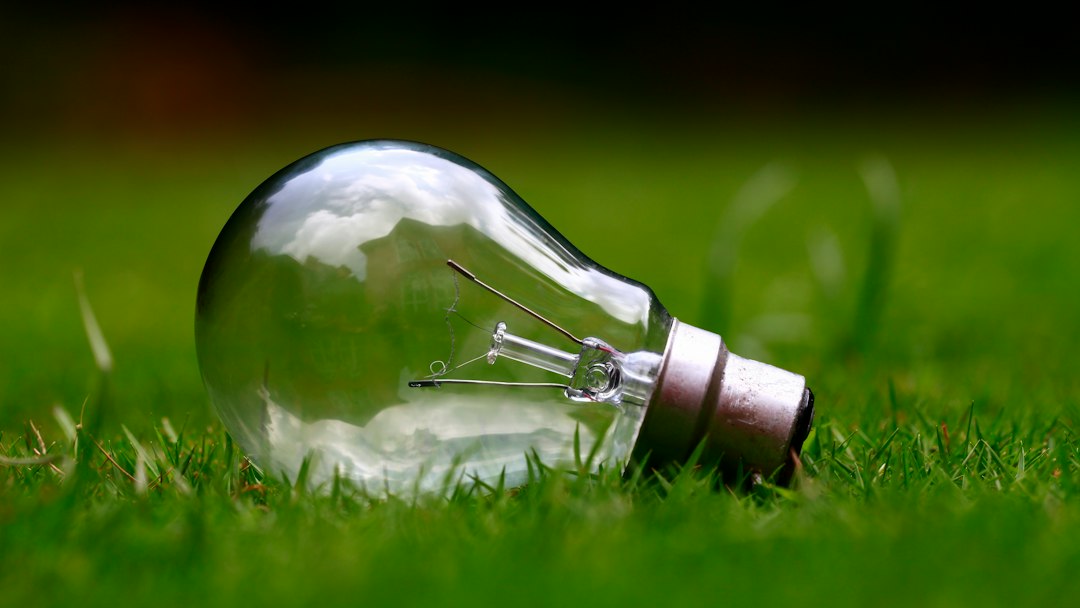
National Energy Conservation Day 2026 will be observed on Monday, December 14, 2026. The annual observance promotes awareness about energy conservation and energy efficiency and highlights the importance of reducing unnecessary energy consumption.
Quick Facts
| Item | Details |
|---|---|
| Date | December 14, 2026 |
| Day | Monday |
| Focus | Energy conservation and efficiency |
| National body | Bureau of Energy Efficiency |
What Is National Energy Conservation Day?
India observes National Energy Conservation Day on December 14. Government communications describe it as an opportunity to raise awareness about energy conservation, energy efficiency and national efforts to improve energy use.
Why Energy Efficiency Matters
Energy conservation means avoiding unnecessary use, while energy efficiency means achieving a useful result with less energy. Efficient appliances, buildings, industrial systems and transport can reduce energy demand and improve resource use.
Practical Energy-Saving Tips
- Switch off lights and equipment when not required.
- Use energy-efficient lighting and appliances.
- Maintain air-conditioner filters and equipment properly.
- Use daylight and natural ventilation where practical.
- Reduce unnecessary vehicle trips.
- Monitor electricity use to identify avoidable consumption.
Activities
Schools and workplaces can conduct energy audits, poster activities and awareness sessions. Families can create a simple checklist of lights, appliances and devices that consume electricity unnecessarily.
Messages
- Save energy today for a more resource-efficient tomorrow.
- Every unit of energy saved through responsible use matters.
- Efficiency begins with everyday choices.
FAQs
When is National Energy Conservation Day 2026?
December 14.
What is its purpose?
To promote awareness about energy conservation and efficiency.
Related Reading: Explore the CareerSphere News section for more awareness dates and science-related updates.
National Energy Conservation Day: Meaning and Background
National Energy Conservation Day is observed in India on December 14 to promote awareness about energy conservation and efficient use of energy. The observance is closely associated with the Bureau of Energy Efficiency, which was established under the Energy Conservation Act, 2001. The day provides a useful opportunity to move from general awareness to practical changes in how electricity and other forms of energy are used.
Energy Conservation vs Energy Efficiency
Energy conservation and energy efficiency are related but not identical. Conservation often means avoiding unnecessary energy use, such as switching off equipment that is not required. Efficiency means delivering the same or a useful service while using less energy, such as choosing an efficient appliance or improving a building’s thermal performance.
Both approaches matter. Turning off unnecessary equipment reduces waste immediately, while efficient technologies can deliver longer-term savings. The most effective approach depends on the building, equipment, climate, working pattern and available technology.
Why Energy Conservation Matters
Energy is required for homes, agriculture, transport, industries, hospitals, schools and digital infrastructure. Reducing avoidable consumption can lower operating costs and reduce pressure on energy resources. Efficiency can also support productivity because equipment that uses energy effectively may operate more reliably and with lower running costs.
Energy-Saving Tips for Homes
- Switch off lights, fans and appliances when they are not required.
- Use LED lighting and energy-efficient appliances where suitable.
- Keep air-conditioner filters clean and maintain equipment regularly.
- Use natural daylight and ventilation when practical.
- Avoid leaving chargers and devices unnecessarily connected.
- Compare electricity consumption across months to identify unusual increases.
Energy Conservation in Offices
Offices can reduce energy waste by setting sensible operating schedules for lighting and air conditioning, using efficient equipment, maintaining HVAC systems and switching off computers and peripherals when they are not needed. A simple energy checklist can identify rooms where lights or air conditioners are regularly left running unnecessarily.
Data centres and technology-heavy workplaces need a more detailed approach because cooling and equipment loads can be significant. Energy monitoring can help managers identify high-consumption equipment and decide whether efficiency improvements are practical.
Energy Efficiency in Buildings
Building design influences energy consumption. Orientation, shading, insulation, glazing, ventilation and efficient cooling systems can affect the amount of energy required to maintain comfortable indoor conditions. Existing buildings can also benefit from measures such as sealing air leaks, maintaining equipment and improving controls.
Role of the Bureau of Energy Efficiency
The Bureau of Energy Efficiency works under the Ministry of Power and has responsibilities under India’s energy-conservation framework. Its work includes programmes and standards related to energy efficiency. Consumers should use official BEE information when checking current labels, standards and programmes because technical requirements can change.
National Energy Conservation Day Activities
Schools can organise poster competitions, energy quizzes, electricity-use surveys and classroom projects. Offices can conduct an energy audit or create a checklist for lighting, air conditioning and equipment. Communities can hold awareness drives that focus on practical steps rather than only slogans.
Energy Conservation and Environmental Responsibility
Reducing unnecessary energy use can complement wider environmental efforts. The environmental effect of energy consumption depends on the energy source and technology involved, so it is important not to treat every unit of electricity as having the same impact. Nevertheless, using energy efficiently is a practical resource-management habit.
Related CareerSphere Articles
Explore the CareerSphere News section and related awareness content such as National Pollution Control Day 2026 and World Environmental Health Day 2026.
National Energy Conservation Day 2026: Measuring Energy Use
One of the simplest ways to improve energy efficiency is to measure consumption before deciding what to change. A household can compare monthly electricity bills, while an office can identify major loads such as air conditioning, lighting, computers, pumps or refrigeration. Measurement can reveal where energy is being used and whether a change actually reduces consumption.
Energy-saving measures should also consider comfort, safety and productivity. Turning off equipment that is not needed is straightforward, but reducing essential ventilation or operating equipment outside safe conditions is not an appropriate conservation measure. Efficiency should always be balanced with the requirements of the building and its occupants.
Energy Conservation in Schools
Schools can make energy conservation a practical learning project. Students can record the number of lights and fans in classrooms, identify equipment that remains switched on unnecessarily and prepare a simple improvement plan. The exercise can combine mathematics, science and environmental education without requiring expensive equipment.
Energy Conservation in Small Businesses
Shops, offices and small enterprises can review lighting, air conditioning, refrigeration and equipment schedules. Regular maintenance can prevent inefficient operation. Where an appliance needs replacement, consumers can compare efficiency information and expected running costs rather than looking only at the purchase price.
Air Conditioning and Energy Use
Air conditioning can be a significant electricity load in warm climates. Keeping filters clean, maintaining the equipment, avoiding unnecessary operation and using sensible temperature settings can reduce waste. Doors and windows should also be managed appropriately so conditioned air is not continuously lost.
National Energy Conservation Day 2026 Checklist
- Measure electricity use before deciding where savings are possible.
- Switch off equipment that is not required.
- Maintain air conditioners and other electrical equipment.
- Choose efficient appliances when replacement is necessary.
- Use daylight and natural ventilation where practical.
- Check official BEE information for current efficiency standards and programmes.
Key Takeaways
- National Energy Conservation Day is observed on December 14.
- Conservation reduces unnecessary use, while efficiency improves how energy is used.
- Homes and offices can reduce waste through simple operational changes.
- Efficient appliances, buildings and equipment can support longer-term savings.
- Official BEE information should be used for current standards and programmes.
Frequently Asked Questions About National Energy Conservation Day
When is National Energy Conservation Day?
It is observed on December 14 every year in India.
What is the difference between conservation and efficiency?
Conservation can mean avoiding unnecessary energy use, while efficiency means obtaining a useful service with less energy. Both approaches can reduce waste.
How can households save electricity?
Switching off unused equipment, using efficient appliances, maintaining air conditioners and making sensible use of daylight and ventilation are practical measures.
Why should consumption be measured?
Measurement helps identify major energy loads and allows people to check whether a change actually reduces consumption.
\n
Final Reader Note
Energy conservation works best when it becomes part of normal operating practice. Households can monitor bills, offices can review equipment schedules and schools can involve students in simple energy audits. Small changes can be combined with efficient technology when equipment is replaced.
The goal is not to reduce essential energy use unsafely. Good conservation maintains comfort, safety and productivity while avoiding unnecessary consumption. Official BEE information should be used when readers need current technical standards or programme details.
\n
Building an Energy-Saving Routine
One-off actions are useful, but routines usually have a larger effect over time. Households can create a short checklist for lights, fans, air conditioners and appliances. Offices can assign responsibility for closing rooms and switching off equipment at the end of the day. Schools can include energy checks in student activities.
When purchasing new equipment, buyers can consider efficiency information, expected usage and maintenance requirements. A slightly higher purchase price can sometimes be offset by lower running costs, but the actual benefit depends on the appliance and usage pattern.
\n
Conclusion
National Energy Conservation Day 2026 is a practical reminder that households, offices, schools, industries and businesses can all reduce unnecessary energy use.
Leave a Reply