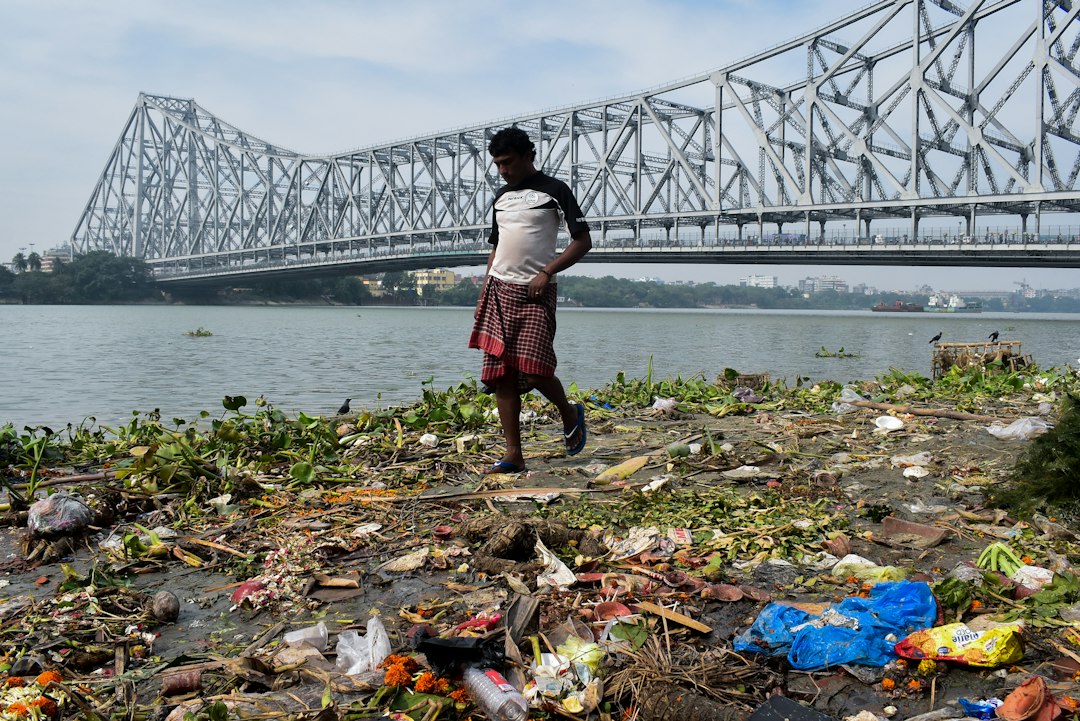
National Pollution Control Day 2026 will be observed on Wednesday, December 2, 2026. The day is observed in India to remember those affected by the 1984 Bhopal Gas Tragedy and to raise awareness about pollution prevention and safe industrial practices.
Quick Facts
| Item | Details |
|---|---|
| Date | December 2, 2026 |
| Day | Wednesday |
| Focus | Pollution prevention and environmental safety |
| Historical connection | Bhopal Gas Tragedy, 1984 |
Why Is It Observed?
National Pollution Control Day is observed on December 2 in memory of people affected by the Bhopal Gas Tragedy. It also encourages attention to pollution control, environmental protection, industrial safety and responsible resource use.
Major Forms of Pollution
- Air pollution from transport, industry and other sources.
- Water pollution from untreated waste and pollutants.
- Soil contamination from improper disposal.
- Noise pollution from transport, construction and other activities.
How Can People Help?
People can reduce waste, segregate materials, save electricity, maintain vehicles properly, avoid unnecessary single-use products and choose cleaner transport where practical. Effective pollution control also requires monitoring, regulation, safe industrial systems and community participation.
Awareness Activities
- Environmental-awareness talks.
- Waste-segregation demonstrations.
- Cleanliness and tree-care activities.
- Discussions on industrial safety and emergency preparedness.
Messages
- Clean air, safe water and healthy surroundings depend on responsible action.
- Remembering Bhopal also means learning the importance of safety and prevention.
- Let us reduce pollution through practical everyday choices.
FAQs
When is National Pollution Control Day 2026?
December 2.
Why is the date significant?
It is associated with remembrance of the Bhopal Gas Tragedy of 1984 and awareness about pollution prevention.
Related Reading: Explore the CareerSphere News section and learn about World Environmental Health Day 2026.
Why National Pollution Control Day Is Observed
National Pollution Control Day is observed in India on December 2. The date is associated with the remembrance of the victims of the Bhopal gas tragedy of December 1984 and is used to promote awareness about pollution prevention, industrial safety and environmental responsibility. The observance therefore connects environmental awareness with the need for responsible management of hazardous materials and industrial processes.
The Bhopal Gas Tragedy and Its Environmental Lesson
The Bhopal disaster involved a toxic gas release from an industrial facility in December 1984 and caused extensive loss of life and long-term harm. The tragedy became an important reference point in discussions about industrial safety, emergency preparedness, chemical management and environmental regulation in India.
Remembering the disaster should not be reduced to a single date. It provides a reason to discuss how organisations can identify hazards, maintain safety systems, train workers, prepare emergency plans and communicate risks. Pollution prevention is closely connected with these responsibilities.
Different Types of Pollution
Pollution can take many forms. Air pollution may result from transport, industrial activity, construction, waste burning and other sources. Water pollution can involve untreated sewage, industrial discharge, agricultural runoff or improper disposal of materials. Soil pollution may arise from waste, chemicals and contaminated sites. Noise pollution is another environmental concern in urban and industrial areas.
Each type requires a different combination of monitoring, regulation, technology and behaviour change. A single action cannot solve every pollution problem. Effective environmental management begins with identifying the source and measuring the relevant pollutant or risk.
How Industries Can Reduce Pollution
- Maintain pollution-control equipment and monitoring systems.
- Prevent leaks and unsafe storage of hazardous substances.
- Follow applicable environmental permissions and standards.
- Train workers in safe operating and emergency procedures.
- Reduce waste through process improvements and resource efficiency.
- Maintain emergency response plans and conduct appropriate drills.
What Households Can Do
Households also contribute to environmental outcomes. Avoiding open burning of waste, segregating waste where local systems support it, reducing unnecessary single-use materials, conserving water and using electricity efficiently are practical steps. Vehicle maintenance and responsible disposal of batteries, electronic waste and chemicals can also reduce environmental risks.
Role of Students in Pollution Awareness
Schools and colleges can use National Pollution Control Day for science projects, poster competitions, local environmental surveys and awareness sessions. Students can measure simple indicators such as waste generation or electricity consumption and then propose realistic ways to reduce them. The objective should be evidence-based learning rather than only slogans.
Pollution Control and Energy Conservation
Energy use and pollution are often connected, although the relationship varies by energy source and technology. Improving efficiency can reduce unnecessary resource use and, in some settings, lower associated emissions. Readers can also explore National Energy Conservation Day 2026 for practical energy-efficiency information.
National Pollution Control Day Messages
Appropriate messages include: “Prevent pollution before it becomes a larger environmental problem,” “Remembering the victims of Bhopal and renewing our commitment to safety and pollution prevention,” and “Clean air, clean water and safe communities require responsible action from institutions and individuals.”
Related CareerSphere Awareness Content
Explore the CareerSphere News section for environmental awareness dates, including World Environmental Health Day 2026 and World Soil Day 2026.
National Pollution Control Day 2026: Prevention at Every Level
Pollution prevention works best when responsibility is shared across the entire chain. Governments establish standards and monitoring systems, industries control emissions and discharges, local bodies manage waste and public services, and households make daily choices about transport, waste and resource use. No single group can address every pollution source alone.
Measurement is important. Environmental decisions are stronger when authorities and organisations know what pollutant is present, where it originates and how levels change over time. Monitoring can support enforcement, identify trends and help determine whether a control measure is working.
Industrial Safety and Pollution Prevention
Industrial facilities handling hazardous chemicals need systems for safe storage, maintenance, process control, worker training and emergency response. Risk assessment should consider both routine operations and possible failures. Clear emergency communication can reduce confusion if an incident occurs. The Bhopal tragedy remains an important historical reminder of the consequences that can follow when major industrial risks are not adequately controlled.
Waste Management and Pollution
Waste should be handled according to its type and local rules. Household waste, biomedical waste, electronic waste, construction waste and hazardous materials can require different treatment. Burning waste in the open can create harmful emissions, while dumping waste into water bodies can contaminate ecosystems. Segregation and authorised collection systems can help where they are available.
Pollution Awareness for Students
Students can conduct a local waste audit, study traffic-related air pollution, examine water-use patterns or research environmental effects of different materials. Projects should avoid unsafe experiments with chemicals. The best school activities combine observation, reliable information and realistic solutions.
National Pollution Control Day 2026 Checklist
- Remember the victims of the Bhopal gas tragedy with respect.
- Learn about air, water, soil and noise pollution.
- Understand the importance of industrial safety and emergency preparedness.
- Reduce open burning and improper disposal of waste.
- Use authorised systems for hazardous and electronic waste where available.
- Support evidence-based environmental awareness.
Key Takeaways
- National Pollution Control Day is observed on December 2.
- The date remembers the victims of the 1984 Bhopal gas tragedy.
- Pollution prevention includes air, water, soil and noise management.
- Industrial safety, monitoring and emergency preparedness are important environmental responsibilities.
- Households, schools, businesses and governments all have roles in reducing pollution.
Frequently Asked Questions About National Pollution Control Day
When is National Pollution Control Day?
It is observed on December 2 in India.
Why is December 2 significant?
The date is associated with remembrance of the victims of the Bhopal gas tragedy of December 1984 and with awareness about pollution prevention and industrial safety.
What can individuals do?
People can avoid open burning, use authorised waste-disposal systems, reduce unnecessary vehicle use where practical and conserve resources.
What can industries do?
Industries can maintain safety systems, monitor emissions and discharges, train workers and keep emergency plans current. Requirements depend on applicable regulations.
\n
Final Reader Note
National Pollution Control Day should encourage prevention rather than awareness alone. A useful approach is to identify a source of pollution, understand its effects and choose a practical control measure that follows local rules. At industrial sites, this includes safety management and emergency preparedness; at household level, it can include responsible waste handling and resource conservation.
The Bhopal tragedy remains a serious historical reminder of the consequences of inadequate control of industrial hazards. Remembering those affected should be accompanied by continued attention to safety, environmental protection and reliable public information.
\n
Environmental Awareness Beyond December 2
Pollution control is a year-round responsibility. Communities can use the December 2 observance as a checkpoint to review waste practices, local environmental concerns and emergency awareness. Businesses can review compliance and safety procedures, while schools can connect environmental science lessons with local observations.
Readers should remember that environmental rules can differ by activity and jurisdiction. When dealing with hazardous waste, industrial emissions or regulated materials, organisations should follow the applicable official requirements instead of relying on general internet advice. Reliable environmental management combines prevention, measurement, compliance and continuous improvement.
\n
Final Pollution Prevention Reminder
Effective pollution control combines prevention, monitoring and responsible behaviour. Readers can use December 2 as a reminder to review one practical environmental habit and one safety habit. Even a small improvement is more useful when it is measured and maintained over time.
\n
Conclusion
National Pollution Control Day 2026 combines remembrance with a practical call for environmental responsibility, safer systems and pollution prevention.
Leave a Reply