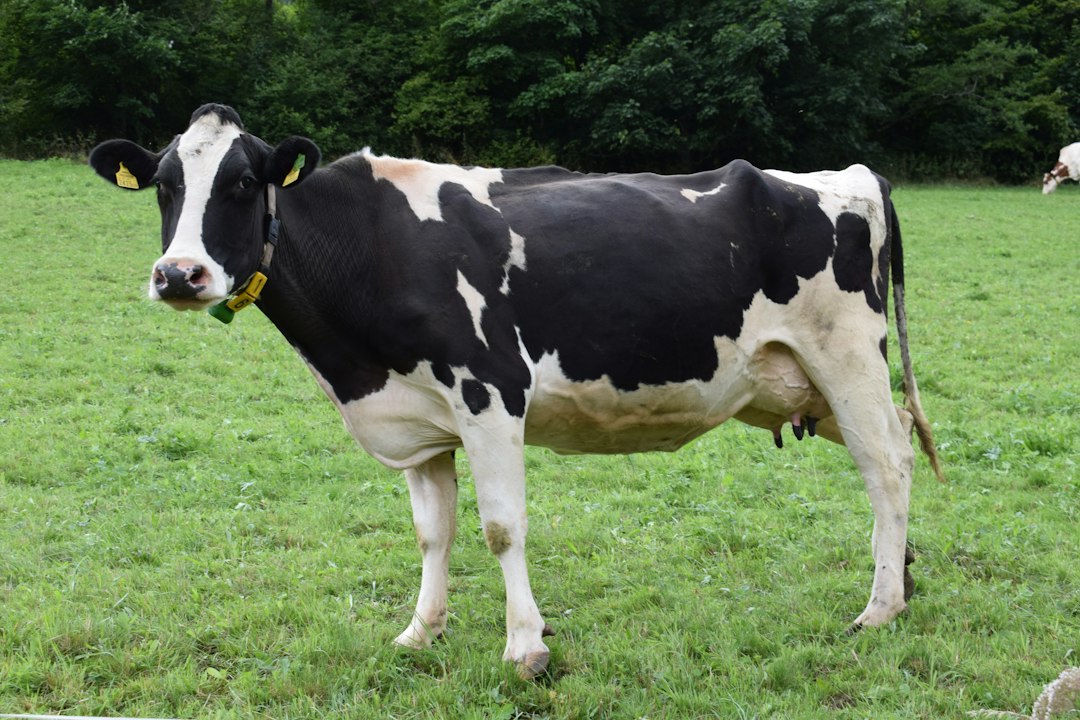
National Milk Day 2026 will be observed on Thursday, November 26, 2026. The day marks the birth anniversary of Dr Verghese Kurien, a major figure in India’s dairy cooperative movement and the White Revolution.
Quick Facts
| Item | Details |
|---|---|
| Date | November 26, 2026 |
| Day | Thursday |
| Associated personality | Dr Verghese Kurien |
| Focus | Dairy development and rural livelihoods |
Why Is National Milk Day Observed?
National Milk Day is observed on November 26 to mark Dr Kurien’s birth anniversary. Government information has highlighted the importance of dairy production for nutrition, farmers’ livelihoods and the rural economy.
Who Was Dr Verghese Kurien?
Dr Kurien played a major role in building India’s dairy cooperative movement. His work with cooperatives and dairy institutions became closely associated with the White Revolution, which transformed milk production, collection and marketing.
Importance of the Dairy Sector
The dairy sector links farmers, cooperatives, processing units, markets and consumers. It also supports rural employment and related activities. Women farmers have an important role in dairy production and collection in many communities.
National Milk Day Activities
- Recognise dairy farmers and workers.
- Conduct awareness programmes on dairy development.
- Discuss cooperative models and rural livelihoods.
- Hold educational activities on food safety and nutrition.
Messages
- Warm wishes on National Milk Day. Let us appreciate dairy farmers and workers.
- Remembering Dr Verghese Kurien and India’s dairy cooperative movement.
- National Milk Day reminds us of the links between nutrition, farmers and rural livelihoods.
FAQs
When is National Milk Day 2026?
November 26.
Whose birth anniversary is marked?
Dr Verghese Kurien.
Related Reading: Explore the CareerSphere News section and read about World Food Day 2026.
National Milk Day 2026: Why November 26 Is Important
National Milk Day is observed in India on November 26 to mark the birth anniversary of Dr Verghese Kurien, a central figure in the country’s dairy cooperative movement. The occasion provides an opportunity to understand how dairy farming, cooperative institutions, processing, marketing and rural livelihoods became connected through India’s dairy development experience.
Who Was Dr Verghese Kurien?
Dr Verghese Kurien was born on November 26, 1921, in Kozhikode, Kerala. He became closely associated with the development of dairy cooperatives and institutions in Gujarat and later played a major national role in dairy development. He is widely remembered for his leadership in the White Revolution and for promoting a farmer-centred cooperative approach to milk procurement and marketing.
His work is strongly associated with the Amul cooperative model and the National Dairy Development Board. The broader dairy development programme helped build systems for collecting milk from producers, processing it and connecting farmers with organised markets. National Milk Day uses his birth anniversary to remember this contribution.
What Was the White Revolution?
The White Revolution refers broadly to the transformation of India’s dairy sector through organised milk production, collection, processing and marketing. Operation Flood, launched in the 1970s, became a major part of this transformation. Cooperative networks helped connect milk producers with consumers while supporting more reliable procurement and market access in participating areas.
The change was not simply about producing more milk. It involved institutions, cold chains, veterinary support, feed, breeding services, transport, processing infrastructure and market systems. This makes the dairy sector a useful example of how rural production can be connected to organised value chains.
Why Dairy Matters to Rural Households
Dairy can provide a regular source of income for farming households because milk can be sold frequently rather than only after a seasonal crop harvest. Cattle and buffalo rearing can also complement crop farming by creating additional livelihood opportunities. In many rural areas, women play an important role in feeding animals, milking, maintaining sheds and managing dairy activities.
At the same time, dairy farming has real costs and risks. Feed prices, animal health, water availability, productivity, market prices and access to veterinary services can affect returns. National Milk Day can therefore be used to appreciate farmers while also discussing the infrastructure and services required for sustainable dairy livelihoods.
Milk, Nutrition and Food Safety
Milk and dairy products are important sources of nutrients in many diets. However, nutritional needs differ by age and health status, and food choices should be based on individual circumstances. Safe handling is also essential. Clean milking practices, appropriate storage, pasteurisation where applicable and proper refrigeration help reduce food-safety risks.
National Milk Day Activities for Schools
- Prepare a presentation on Dr Verghese Kurien.
- Explain the cooperative model through a classroom project.
- Discuss the journey of milk from farm to consumer.
- Conduct a poster competition on dairy farmers and rural livelihoods.
- Teach students about food safety and responsible consumption.
National Milk Day Activities for Communities
Community groups can recognise dairy farmers, organise awareness sessions on animal care and invite cooperative representatives to explain milk collection and quality testing. Local institutions can also highlight the contribution of women involved in dairy activities. Such programmes are more useful when they connect appreciation with practical knowledge.
National Milk Day Messages
Suitable messages include: “Remembering Dr Verghese Kurien and his contribution to India’s dairy cooperative movement,” “Respect and gratitude to dairy farmers who support rural livelihoods,” and “National Milk Day reminds us of the connection between nutrition, farmers and organised dairy systems.”
Related CareerSphere Articles
For more awareness and food-related observances, visit the CareerSphere News section and explore World Food Day 2026 and World Soil Day 2026.
National Milk Day 2026: From Farm to Consumer
The journey of milk from a farm to a consumer involves many stages. Farmers maintain animals and collect milk, after which it may be tested for quality, chilled, transported, processed and packaged before reaching shops or other distribution points. Cooperatives and organised dairy companies can connect producers with markets while providing systems for collection and processing.
Quality testing is important because milk is perishable. Factors such as cleanliness, temperature control, animal health and processing standards can affect safety and quality. Consumers should follow storage instructions and check packaging information. Dairy products requiring refrigeration should be stored appropriately.
Dairy Cooperatives and Farmers
The cooperative approach associated with Dr Verghese Kurien emphasised linking producers to organised collection and marketing systems. A cooperative can provide a framework through which farmers collectively participate in procurement and benefit from processing and marketing infrastructure. The exact structure and services vary across regions.
Technology in the Dairy Sector
Modern dairy development involves more than milk collection. Veterinary services, animal nutrition, disease prevention, cold-chain infrastructure, automated quality testing and digital records can all influence productivity and quality. Technology should be supported by training and affordable access so that small producers can benefit.
National Milk Day and Rural Youth
Students from rural areas can use the day to explore dairy as part of the agricultural value chain. A project can map the journey of milk from a local producer to a consumer and identify the jobs involved in transport, testing, processing, packaging and retail. Such activities show how agriculture creates opportunities beyond farming itself.
National Milk Day 2026 Checklist
- Learn about Dr Verghese Kurien and India’s dairy cooperative movement.
- Understand the basic journey of milk from farm to consumer.
- Discuss dairy farmers’ livelihoods and the role of women in dairy activities.
- Learn about food safety, storage and quality.
- Explore how technology and cooperatives support dairy development.
- Recognise workers throughout the dairy value chain.
Key Takeaways
- National Milk Day is observed on November 26.
- The day marks Dr Verghese Kurien’s birth anniversary.
- Kurien is closely associated with India’s dairy cooperative movement and White Revolution.
- Dairy connects farmers with processing, markets, nutrition and rural livelihoods.
- Food safety and sustainable dairy practices are important parts of the sector.
Frequently Asked Questions About National Milk Day
When is National Milk Day observed?
National Milk Day is observed on November 26 in India.
Whose birth anniversary is marked?
The day marks the birth anniversary of Dr Verghese Kurien, who is closely associated with India’s dairy cooperative movement and White Revolution.
Why is dairy important to rural livelihoods?
Dairy can provide regular income opportunities for farming households and supports related activities such as feed, veterinary services, transport, processing and retail. Conditions vary by region and production system.
What should consumers remember?
Consumers should pay attention to food-safety information, storage instructions and product labelling. Dairy products should be handled according to applicable food-safety guidance.
Final Reader Note
National Milk Day is an opportunity to appreciate the people and systems behind dairy products. Farmers, veterinary workers, collection staff, transporters, processors and retailers all contribute to the journey from animal care to consumer use.
Remembering Dr Verghese Kurien also provides an opportunity to learn how cooperative institutions can connect rural producers with organised markets. The dairy sector continues to evolve through technology, food-safety systems and changing consumer needs.
\n
Dairy Development and the Future
The dairy sector continues to face questions about productivity, animal health, climate conditions, feed costs, cold-chain infrastructure and market access. Sustainable development therefore requires attention to both farmer incomes and safe, efficient food systems. Research and innovation can support better animal care, quality testing and processing.
National Milk Day can be used to introduce these topics to students without reducing the dairy sector to a single success story. Understanding both achievements and continuing challenges gives readers a more complete picture of rural livelihoods and food systems.
\n
Conclusion
National Milk Day 2026 recognises dairy farmers, workers and institutions while remembering Dr Verghese Kurien’s contribution to India’s dairy development.
Leave a Reply