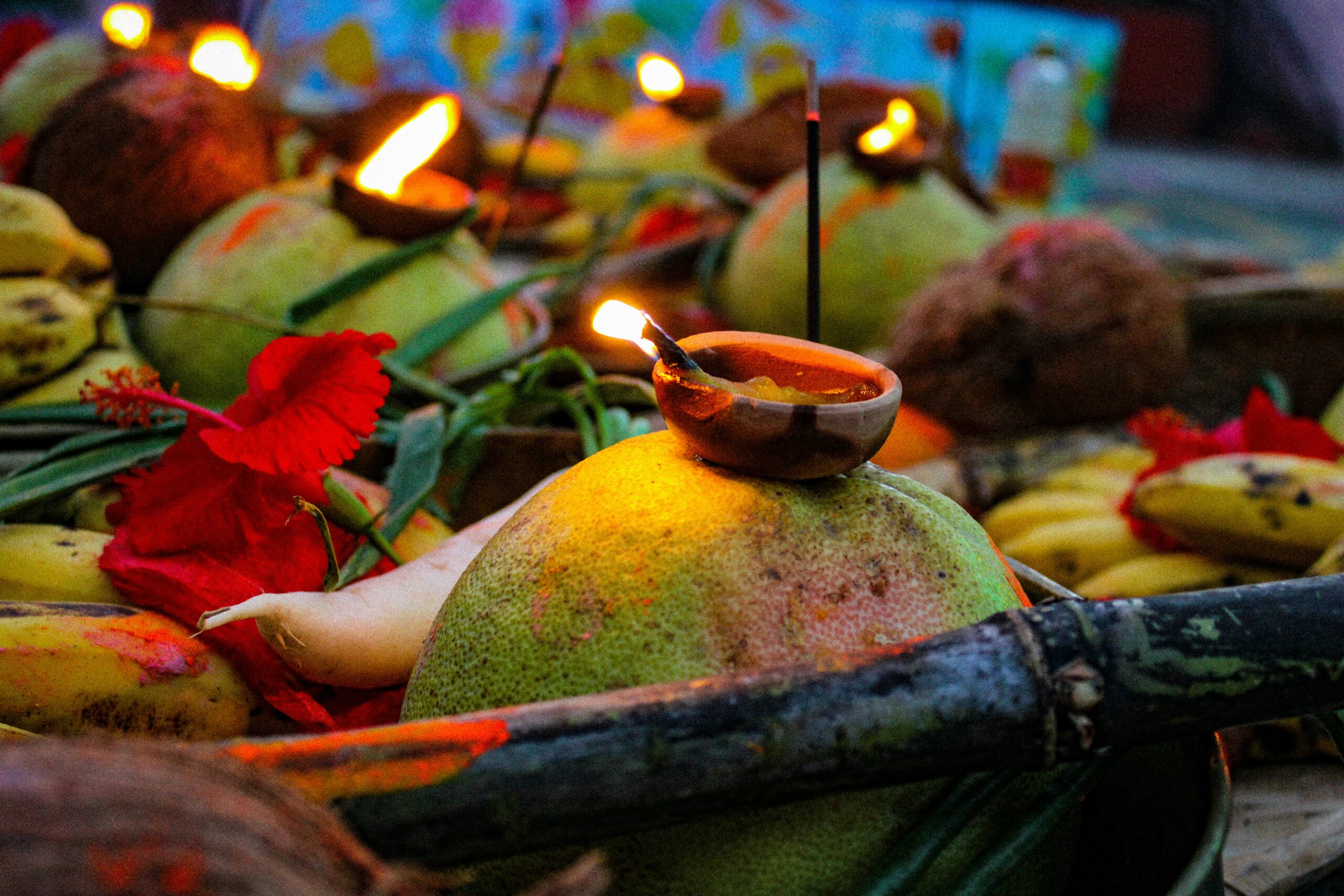
Navratri 2026 Puja Samagri List: Complete Items Checklist for Ghatasthapana
Navratri 2026 Puja Samagri List is useful for devotees preparing for Sharad Navratri and Ghatasthapana on October 11, 2026. Instead of searching for individual items at the last minute, this checklist groups the commonly used samagri into practical sections: Ghatasthapana and Kalash Sthapana, daily Durga Puja, Akhand Jyoti, bhog and prasad, Kanya Pujan, and Havan.
Sharad Navratri 2026 begins on Sunday, October 11 and the nine-day observance continues through October 19, followed by Vijayadashami on October 20. Ghatasthapana is performed on the first day. Exact muhurat can vary by city and Panchang, so devotees should check their local timings before beginning the ritual.
Navratri 2026 Puja Samagri: Quick Checklist
| Category | Important items | When needed |
|---|---|---|
| Ghatasthapana | Kalash, coconut, mango leaves, mauli, soil, barley seeds | October 11 |
| Durga Puja | Devi image/idol, red cloth, chunari, kumkum, turmeric, flowers | Daily |
| Lighting | Diya, ghee/oil, cotton wicks, matchbox | Daily |
| Offerings | Fruits, sweets, flowers, paan, supari and family-approved bhog | Daily |
| Kanya Pujan | Food, gifts, tilak materials and dakshina | Ashtami/Navami tradition |
| Havan | Havan kund, samagri, ghee and other prescribed materials | If performed |
1. Ghatasthapana Samagri List
Ghatasthapana, also called Kalash Sthapana, is the opening ritual of Sharad Navratri. The exact arrangement differs between regional and family traditions, but a commonly used basic set includes the following items.
- Kalash — copper, brass or earthen pot
- Coconut, preferably with husk according to the family tradition
- Mango leaves
- Mauli or kalava — sacred red thread
- Clean soil
- Barley or jau seeds for sowing
- Ganga jal or clean water used according to the household tradition
- Akshat — unbroken rice
- Roli or kumkum
- Turmeric or haldi
- Betel nut or supari
- Coin or other customary kalash offering
- Red cloth or chunari
- Flowers and garland
Barley Seeds and Soil
Many households sow barley in a wide earthen container as part of the Ghatasthapana setup. The growing barley, often called jau or jawara, is cared for during Navratri and has an important traditional role in the ritual.
Kalash, Mango Leaves and Coconut
The kalash is prepared according to the household’s customary method. Mango leaves are commonly placed around the mouth of the vessel and a coconut is positioned above it. The kalash is then worshipped as part of the invocation of divine energy.
2. Maa Durga Puja Samagri
Keep the daily worship items together so that the morning or evening puja does not require repeated trips to the market.
- Maa Durga idol or framed picture
- Red cloth for the puja platform
- Red chunari or dupatta for the deity
- Kumkum and roli
- Turmeric
- Akshat
- Flowers
- Flower garland
- Durva where prescribed by family tradition
- Incense sticks or dhoop
- Camphor
- Diya and cotton wicks
- Ghee or suitable cooking oil for the lamp
- Aarti thali
- Bell
- Conch, if used in the household
- Puja cloth and a clean aasan
3. Items for Daily Offerings and Bhog
The bhog offered to Maa Durga varies widely by region, temple and family. There is no single compulsory menu for every household. A practical shopping list can include fresh fruits, sweets and other offerings permitted by the family’s tradition.
- Bananas and seasonal fruits
- Apples, pomegranate or other preferred fruits
- Coconut
- Mishri or traditional sweets
- Dry fruits
- Makhana where appropriate
- Paan leaves
- Betel nut
- Cloves and cardamom
- Honey or other customary offerings where prescribed
If the household is also observing a vrat, keep the bhog ingredients consistent with its fasting rules. For example, do not assume that an ordinary grain-based preparation is automatically suitable simply because it is offered as prasad.
4. Akhand Jyoti Samagri
Some devotees keep an Akhand Jyoti throughout Navratri. This is a household or tradition-specific practice, so follow the method prescribed by your family or spiritual guide.
- Suitable diya or lamp
- Ghee or mustard oil, according to the chosen tradition
- Cotton wicks
- Spare wicks
- Small tray or heat-safe base
- Matchbox or lighter
Keep the lamp on a stable, heat-resistant surface away from curtains, paper and other flammable materials. Never leave an open flame unattended.
5. Navratri Puja Books and Prayer Materials
Devotees may keep the prayer text used by their family ready before the first day. Commonly used materials include:
- Durga Saptashati or Devi Mahatmya text
- Durga Chalisa
- Navratri vrat katha
- Aarti book
- Mantra or stotra book
- Clean cloth or stand for the prayer books
The exact prayer selection is a matter of tradition. A household does not need to purchase every text listed above to perform a sincere Navratri puja.
6. Kanya Pujan Samagri
Families that perform Kanya Pujan should prepare the required items in advance. The date and method differ between traditions, particularly because Ashtami and Navami observances can vary by region.
- Food ingredients for the traditional meal
- Poori, chana and halwa ingredients where that menu is followed
- Water and hand-cleaning arrangements
- Tilak or kumkum
- Mauli or kalava
- Chunari or small cloth gifts
- Bangles or other customary gifts
- Fruits and sweets
- Dakshina
Do not treat one Kanya Pujan gift list as compulsory. Customs differ from family to family and region to region.
7. Havan Samagri for Navratri
If your family performs a Navratri Havan, arrange the materials before the chosen day. Havan should be conducted according to the household’s established procedure or with guidance from an experienced priest.
- Havan kund
- Havan samagri
- Ghee
- Wood or approved fuel according to the ritual
- Camphor
- Coconut for purnahuti where prescribed
- Flowers
- Water vessel
- Wooden or suitable offering spoon
8. Complete Shopping Checklist Before October 11
Use this short checklist to avoid last-minute shopping on Ghatasthapana morning.
| Check | Item |
|---|---|
| ☐ | Kalash |
| ☐ | Coconut |
| ☐ | Mango leaves |
| ☐ | Mauli/kalava |
| ☐ | Soil and barley seeds |
| ☐ | Kumkum, roli and turmeric |
| ☐ | Akshat |
| ☐ | Red cloth/chunari |
| ☐ | Flowers and garland |
| ☐ | Diya, cotton wicks and ghee/oil |
| ☐ | Incense and camphor |
| ☐ | Fruits and bhog items |
| ☐ | Puja book/aarti |
| ☐ | Paan and supari if customary |
| ☐ | Kanya Pujan items if applicable |
| ☐ | Havan items if applicable |
9. What Should You Buy First?
If you are shopping on a limited budget, prioritize the items required for the first-day ritual: kalash, coconut, mango leaves, soil, barley seeds, mauli, red cloth, kumkum, turmeric, akshat, flowers, diya materials and the deity’s picture or idol. Daily offerings and additional decoration can be purchased separately.
This approach is also useful for families living in apartments or places where fresh flowers and leaves are easier to buy closer to the puja date.
10. What Can Vary by Region or Family?
Navratri rituals are not identical across India. The number of mango leaves, type of kalash, ingredients placed inside the kalash, flowers, bhog, fasting rules, Kanya Pujan method and Havan procedure can all vary. Bengal’s Durga Puja traditions, North Indian Ghatasthapana customs, western Indian Garba traditions and southern Indian Navaratri observances can have different preparation requirements.
Therefore, this article should be used as a practical checklist of commonly used items rather than a claim that every listed item is mandatory in every tradition.
Ghatasthapana 2026: Important Date and Timing Note
Ghatasthapana for Sharad Navratri 2026 falls on Sunday, October 11. Panchang-based muhurat varies with location. For example, published Panchang calculations give different morning windows for New Delhi and other cities. Check the local Panchang for your city before beginning Ghatasthapana rather than copying another city’s exact clock time.
Navratri 2026 Puja Preparation: One-Day-Before Checklist
- Clean the puja area and platform.
- Wash and dry the kalash and other reusable puja vessels.
- Buy fresh flowers and mango leaves as close to the ritual as practical.
- Keep coconut, soil and barley seeds together.
- Prepare red cloth, mauli, kumkum, turmeric and akshat.
- Check the diya, cotton wicks and fuel for the lamp.
- Keep the deity’s picture or idol ready.
- Arrange prayer books and aarti materials.
- Confirm the local Ghatasthapana muhurat.
- Keep the bhog ingredients ready according to your family tradition.
Frequently Asked Questions
What are the main items required for Navratri Ghatasthapana?
The commonly used essentials include a kalash, coconut, mango leaves, mauli, clean soil, barley seeds, water, akshat, kumkum, turmeric, red cloth, flowers and other customary offerings.
Is a copper kalash compulsory for Navratri?
No single material is compulsory for every household. Copper, brass and earthen kalash are commonly used. Follow the practice prescribed by your family or tradition.
How many mango leaves are needed for Kalash Sthapana?
Five mango leaves are commonly used in many puja traditions, but the exact arrangement can vary. Follow the method used in your household.
Do I need barley seeds for Ghatasthapana?
Barley or jau seeds are commonly used for the Navratri sowing ritual. If your family follows a different tradition, follow that established practice.
What should I offer Maa Durga during Navratri?
Flowers, fruits, sweets and other bhog items are commonly offered. The exact offering varies by region and family tradition.
What is needed for Akhand Jyoti?
A suitable lamp, ghee or oil, cotton wicks and a safe stable place are the basic practical requirements. Follow your household’s established Akhand Jyoti procedure.
When is Ghatasthapana in Navratri 2026?
Ghatasthapana is on Sunday, October 11, 2026. The exact auspicious window depends on location and Panchang calculations.
When does Navratri 2026 end?
The nine-day Sharad Navratri observance runs through October 19, followed by Vijayadashami on October 20. Local observance can differ in some traditions.
Related Navratri Guides
- Navratri 2026 Fasting Food List: What to Eat and Avoid
- Navratri 2026 Wishes, Messages & WhatsApp Status
Final Takeaway
The easiest way to prepare for Navratri 2026 is to divide your shopping into six groups: Ghatasthapana, daily Durga Puja, Akhand Jyoti, bhog, Kanya Pujan and Havan. Buy the first-day essentials before October 11, keep fresh items for closer to the puja, and always give priority to your family’s established ritual practice when it differs from a general checklist.
Leave a Reply