Navratri 2026 Fasting Food List: What to Eat and Avoid During Vrat
Navratri 2026 fasting food is one of the most searched practical topics before Sharad Navratri begins on October 11. Devotees who observe the vrat often want a clear list of what they can eat, what they should avoid and which ingredients are traditionally used in fasting meals. Sharad Navratri 2026 is observed from October 11 to October 19, followed by Vijayadashami on October 20. Fasting practices vary between families and regions, so the list below is a practical guide to commonly followed vrat traditions rather than a universal religious rule.
Navratri 2026 Fasting: Quick Food Guide
| Food category | Commonly allowed during vrat | Commonly avoided |
|---|---|---|
| Flours | Kuttu, singhara, rajgira | Wheat, maida |
| Rice alternatives | Samak/vrat rice | Regular rice |
| Grains and pulses | Vrat-specific substitutes | Regular grains, dals and pulses |
| Salt | Sendha namak | Regular table salt |
| Vegetables | Potato, sweet potato, pumpkin, bottle gourd and other family-approved vegetables | Onion, garlic and vegetables restricted by family tradition |
| Fruits | Fresh seasonal fruits | Processed fruit products with restricted ingredients |
| Dairy | Milk, curd, paneer in suitable preparations | Products containing non-vrat ingredients |
What Can You Eat During Navratri Vrat?
The most commonly followed Navratri fasting diet replaces ordinary grains and pulses with vrat-friendly ingredients. Kuttu (buckwheat), singhara (water chestnut flour), rajgira (amaranth), samak rice and sabudana are widely used. Fruits, milk, curd, potatoes, sweet potatoes, makhana, nuts and suitable vegetables are also common choices.
1. Kuttu Flour
Kuttu or buckwheat flour is commonly used to prepare vrat rotis, puris, cheelas and other fasting dishes. It is not ordinary cereal wheat, which is why it is traditionally used in many fasting households.
2. Singhara Flour
Singhara flour, made from water chestnut, is another popular fasting ingredient. It can be used in rotis, puris, halwa and other vrat preparations.
3. Rajgira
Rajgira or amaranth is commonly included in Navratri meals. It can be used as flour, grain-like preparations or in fasting snacks depending on the family’s tradition.
4. Samak Rice
Samak rice, also called vrat rice or barnyard millet in many Indian food guides, is commonly used as an alternative to regular rice during fasting. It is often prepared as khichdi or a simple rice-style meal.
5. Sabudana
Sabudana is widely used during vrat. Sabudana khichdi, sabudana vada and sabudana-based dishes are popular, although deep-fried preparations should be eaten in moderation.
6. Fruits
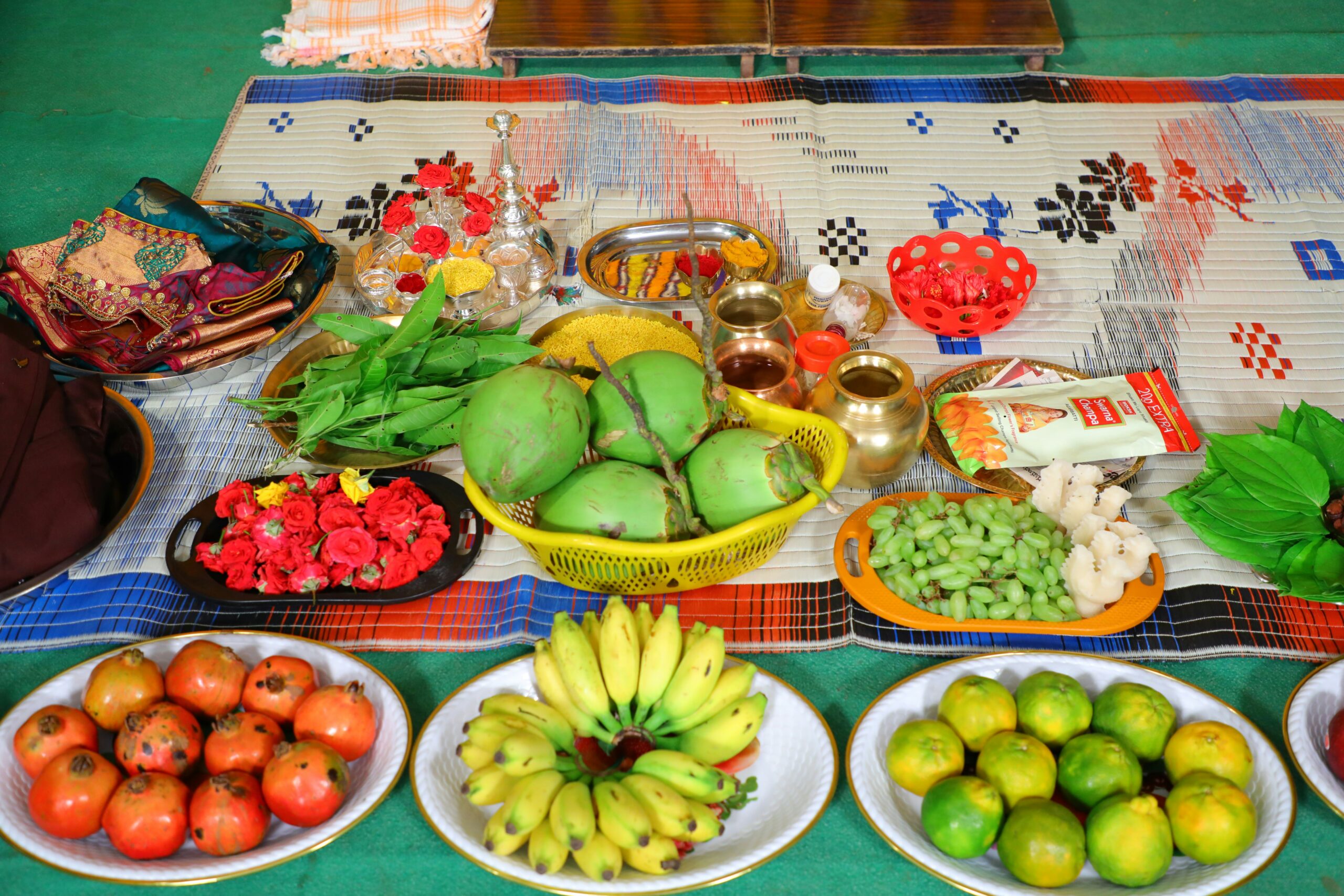
Fresh fruits are among the simplest fasting foods. Bananas, apples, oranges, papaya, pomegranate, guava and other seasonal fruits can be used for fruit meals or snacks, subject to individual dietary needs.
7. Dairy Products
Milk, curd, paneer and other suitable dairy products are commonly consumed during Navratri fasting. Choose simple preparations without ordinary grains, restricted ingredients or non-vrat additives.
8. Makhana, Nuts and Seeds
Makhana, almonds, walnuts, peanuts and other family-approved nuts can provide variety during the fast. Portion sizes still matter because nuts and roasted snacks can be energy-dense.
Which Vegetables Can You Eat During Navratri?
Vegetable rules can vary more than people expect. Commonly used vrat vegetables include potato, sweet potato, pumpkin, bottle gourd, cucumber and raw banana. Some households also permit other vegetables, while stricter traditions avoid additional items. Always follow the practice used by your family or temple.
| Common vrat choices | Traditionally restricted in many households |
|---|---|
| Potato | Onion |
| Sweet potato | Garlic |
| Pumpkin | Green peas in some traditions |
| Bottle gourd | Corn |
| Cucumber | Other region-specific restricted vegetables |
| Raw banana | Any ingredient prohibited by family tradition |
What Foods Should Be Avoided During Navratri Vrat?
Many fasting traditions avoid wheat, rice, regular cereals, dals and pulses. Onion and garlic are commonly excluded, and ordinary table salt is often replaced with sendha namak. Non-vegetarian food and alcohol are also outside the customary fasting diet. Packaged foods need particular care because they may contain ingredients that are not considered vrat-friendly.
- Wheat and wheat-based breads
- Regular rice
- Dals and pulses where the family tradition excludes them
- Onion and garlic
- Ordinary table salt where sendha namak is followed
- Non-vegetarian food
- Alcohol
- Maida-based snacks and many processed foods
- Packaged foods containing restricted grains, spices or additives
Why Is Sendha Namak Used During Navratri?
Many Navratri fasting traditions use sendha namak, or rock salt, instead of ordinary table salt. It is a customary fasting ingredient and is widely used in vrat recipes. However, using sendha namak does not automatically make every packaged or processed food suitable for fasting; the full ingredient list matters.
Can You Drink Tea, Coffee and Juice During Navratri Fast?
There is no single rule followed by every household. Some devotees drink tea or coffee while others avoid stimulants during the fast. Water, coconut water and fresh fruit-based drinks may be included by people following less restrictive forms of fasting. A strict fast may have different rules. Follow your family’s practice and pay attention to hydration.
Simple Navratri Fasting Meal Plan
| Time | Example vrat-friendly option |
|---|---|
| Morning | Water, fruit, milk or a family-approved light breakfast |
| Mid-morning | Fruit, coconut water or a small portion of nuts |
| Lunch | Samak rice or sabudana with a suitable vegetable and curd |
| Evening | Fruit, makhana or milk |
| Dinner | Kuttu/singhara preparation with potato, pumpkin or another permitted vegetable |
This is only an example, not a prescribed religious diet. People observing different forms of vrat can adjust the meals according to their tradition.
Navratri Fasting: Healthy Eating Tips
- Do not rely only on fried vrat snacks for all nine days.
- Include fruits and suitable vegetables for variety.
- Drink enough fluids unless your chosen religious practice specifically requires otherwise.
- Use reasonable portions of nuts, potatoes and fried foods.
- Read labels carefully on packaged vrat products.
- If you feel weak, dizzy, confused or unwell, stop the fast and seek appropriate medical advice.
Who Should Be Careful About Fasting?
People with diabetes, kidney disease, eating disorders, pregnancy, a history of fainting or other medical conditions may need individual dietary advice before undertaking a restrictive fast. Children, older adults and people taking regular medicines should also avoid making major dietary changes without appropriate professional guidance. Religious fasting should not require someone to ignore medical treatment.
Do You Have to Fast for All Nine Days?
No single fasting pattern applies to every devotee. Some people observe all nine days, while others fast on selected days or follow a phalahar-style diet. Family, regional and sectarian traditions differ. A devotee should follow the practice appropriate to their tradition rather than assuming that one internet food list is compulsory.
Navratri 2026 Fasting FAQs
What can I eat during Navratri fasting?
Common choices include kuttu, singhara, rajgira, samak rice, sabudana, fruits, milk, curd, makhana, nuts, potatoes, sweet potatoes and suitable vegetables, depending on family tradition.
Can I eat rice during Navratri vrat?
Regular rice is commonly avoided during vrat. Samak or vrat rice is widely used as an alternative in many fasting traditions.
Can I eat onion and garlic during Navratri?
They are commonly avoided during Navratri fasting. However, practices can vary by household and region.
Which salt is used during Navratri?
Sendha namak, or rock salt, is commonly used instead of ordinary table salt during vrat.
Can I eat potato during Navratri?
Potato is commonly used in Navratri fasting meals, provided it is prepared with permitted ingredients.
Can I eat sabudana during Navratri?
Yes, sabudana is one of the most widely used fasting ingredients. Sabudana khichdi and other preparations are common.
Can I eat fruits during Navratri?
Yes. Fresh fruits are commonly included in less restrictive fasting diets and are a simple option for vrat meals.
When does Sharad Navratri 2026 begin?
Sharad Navratri 2026 begins on October 11 and the nine-day observance runs through October 19, with Vijayadashami on October 20. Local Panchang practices may affect individual ritual timings.
Related Navratri Guides
Final Takeaway
For Navratri 2026 fasting, the most commonly followed approach is to replace regular grains and pulses with vrat-friendly ingredients such as kuttu, singhara, rajgira, samak rice and sabudana, while using fruits, dairy, nuts and permitted vegetables for variety. Wheat, ordinary rice, onion, garlic and regular table salt are commonly avoided. Because fasting rules differ across India, the most important rule is to follow your family’s established tradition and protect your health while observing the vrat.
Leave a Reply