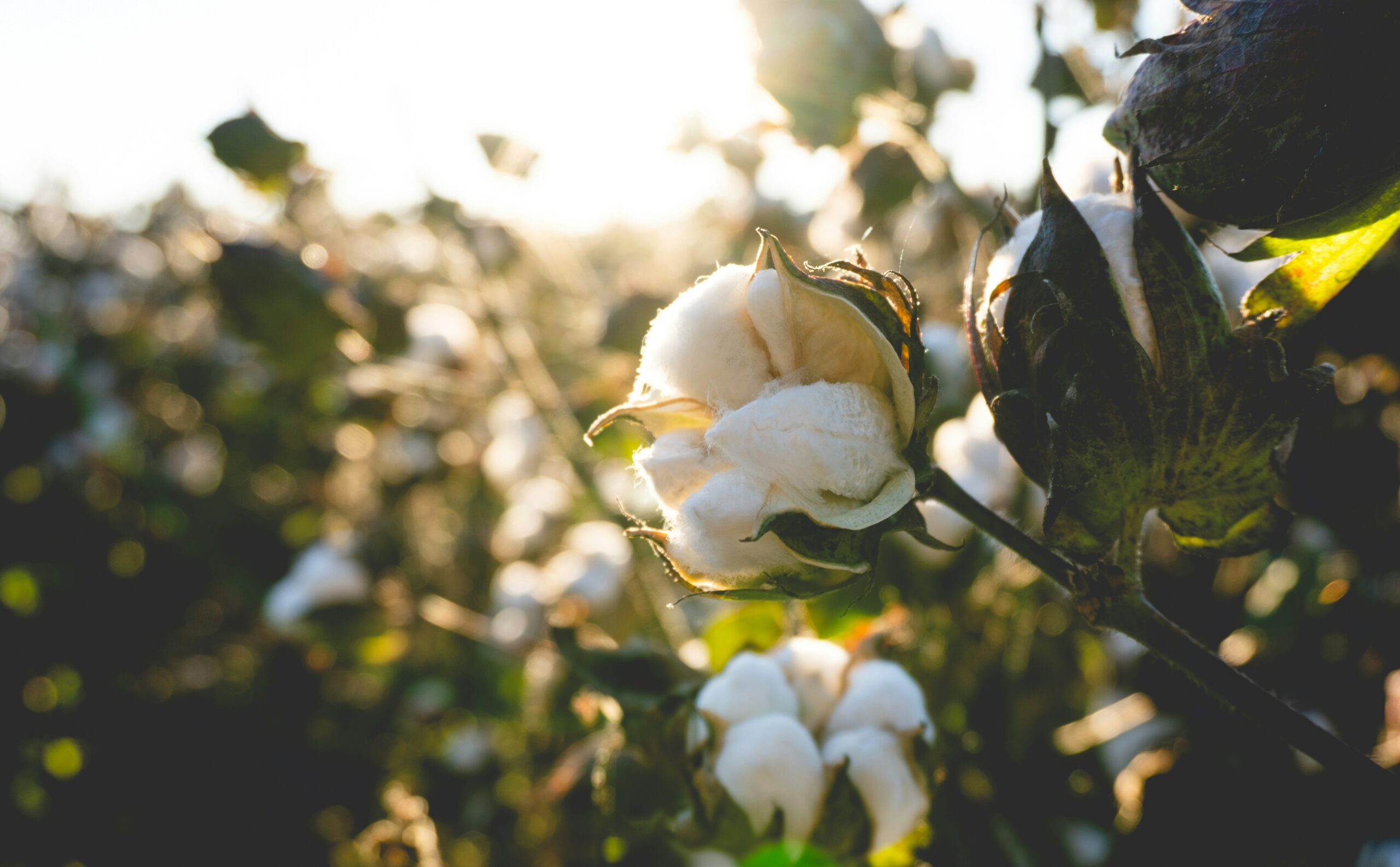
World Cotton Day 2026: October 7 Theme, Importance, History & India’s Cotton Industry
World Cotton Day 2026 will be observed on October 7, 2026, highlighting the importance of cotton to farmers, workers, manufacturers, traders and consumers around the world. The annual observance draws attention to cotton’s contribution to livelihoods, trade, development and sustainable value chains. For India, the day has particular relevance because cotton connects agriculture with one of the country’s largest textile and apparel ecosystems.
World Cotton Day 2026: Quick Facts
| Detail | Information |
|---|---|
| Observance | World Cotton Day |
| Date | October 7, 2026 |
| Frequency | Annual |
| Focus | Cotton livelihoods, trade, development and sustainability |
| Relevance for India | Cotton farming, textiles, apparel, exports and rural livelihoods |
When Is World Cotton Day 2026?
World Cotton Day is observed every year on October 7. In 2026, the observance falls on Wednesday, October 7. The day is used to recognise cotton’s economic and social importance and to encourage attention to the people and businesses involved across the cotton value chain.
What Is World Cotton Day?
World Cotton Day is an international observance focused on cotton as more than a raw material. Cotton supports agricultural communities, processing industries, textile manufacturing, employment and international trade. The observance also encourages discussion around productivity, sustainability, innovation, market access and better opportunities for people working in the sector.
For consumers, the day is a reminder that a cotton shirt or textile product represents a long chain beginning with cultivation and continuing through harvesting, ginning, spinning, weaving or knitting, processing, garment manufacturing, distribution and retail.
World Cotton Day 2026 Theme
The central focus of World Cotton Day is on cotton’s role in livelihoods, trade and development, including the need for sustainable value chains and innovation. Current 2026 coverage describes the observance as highlighting sustainable value chains, partnerships and innovation.
Readers should distinguish an official international theme from slogans used by individual organisations for their own World Cotton Day programmes. Event-specific campaigns may use additional messages.
Why Is Cotton Important for India?
India has a large cotton farming and textile ecosystem. Cotton is important not only because of the crop itself but because it links farmers with ginners, textile mills, spinning units, weaving and knitting businesses, garment manufacturers, exporters, logistics providers and retailers.
This makes cotton relevant to both rural and industrial employment. Changes in cotton production, fibre quality, input costs, weather, market prices and international demand can affect different parts of the value chain.
From Cotton Farm to Clothing: The Value Chain
- Cultivation: Farmers grow cotton varieties suited to local conditions.
- Harvesting: Mature cotton is collected from the plants.
- Ginning: Cotton fibre is separated from seeds.
- Spinning: Fibre is converted into yarn.
- Weaving or knitting: Yarn becomes fabric.
- Processing: Fabric can undergo dyeing, finishing and other treatments.
- Garment manufacturing: Fabric is converted into finished products.
- Distribution: Products move through domestic and export markets.
World Cotton Day and Farmers
Farmers are at the beginning of the cotton value chain, so farm-level conditions can influence the entire sector. Weather, irrigation, pest pressure, seed selection, input prices and market prices can all affect farm economics.
A sustainable cotton sector therefore involves more than increasing production. It also requires efficient use of resources, resilient farming practices, reliable market access and better value realisation where possible.
Cotton and the Textile Industry
Cotton remains an important natural fibre for clothing and home textiles. Textile businesses value cotton for its familiar characteristics, versatility and wide range of applications.
India’s textile ecosystem includes major production centres across several states. Cotton-related activity supports manufacturing and associated services, creating demand for skills in production, quality control, merchandising, engineering, maintenance, logistics, finance and marketing.
Why Sustainability Matters in Cotton
Sustainability discussions around cotton include water management, soil health, responsible use of agricultural inputs, efficient processing, waste reduction, energy use and traceability. The exact environmental impact varies by farming method, location, processing technology and supply chain.
Innovation can help the sector improve productivity while reducing avoidable resource use. Digital agriculture, improved farm advisory services, better weather information, modern textile machinery and traceability systems are examples of areas where technology can influence the cotton value chain.
World Cotton Day 2026: Careers and Skills Linked to Cotton
The cotton sector creates opportunities well beyond farming. People interested in agriculture, textiles, engineering, supply chains and business can find career paths connected with the sector.
| Area | Examples of roles |
|---|---|
| Agriculture | Field officer, agricultural extension, farm management |
| Textiles | Production, quality, merchandising, textile technology |
| Engineering | Mechanical, electrical, maintenance and process roles |
| Supply chain | Procurement, logistics, warehouse and inventory |
| Business | Sales, marketing, finance and export operations |
| Technology | Data, automation, traceability and digital agriculture |
World Cotton Day 2026 and Current Affairs
World Cotton Day can be useful for students preparing for current-affairs sections because it connects agriculture, international trade, rural development, textiles, sustainability and the Indian economy.
For competitive-exam preparation, candidates should remember the date, the purpose of the observance and the broader importance of cotton rather than relying only on a one-line fact.
5 Key Points to Remember
- World Cotton Day is observed on October 7.
- The observance highlights cotton’s economic and social importance.
- Cotton connects agriculture with textile manufacturing and trade.
- Sustainable production and value chains are important themes.
- India’s cotton ecosystem creates opportunities across farming, manufacturing, engineering, logistics and business.
Frequently Asked Questions
When is World Cotton Day 2026?
World Cotton Day 2026 will be observed on Wednesday, October 7.
What is the purpose of World Cotton Day?
It highlights cotton’s contribution to livelihoods, trade and development and encourages attention to sustainable and inclusive cotton value chains.
Why is World Cotton Day important for India?
Cotton links Indian agriculture with ginning, spinning, textile manufacturing, apparel, exports and related services, making it relevant to both rural livelihoods and industry.
What industries depend on cotton?
Agriculture, ginning, spinning, weaving, knitting, textile processing, garment manufacturing, logistics, exports and retail are among the connected industries.
Is World Cotton Day a public holiday in India?
No. World Cotton Day is an observance and is not a nationwide public holiday.
What can students learn from World Cotton Day?
It is a useful current-affairs topic covering agriculture, textiles, international trade, sustainability, rural livelihoods and economic development.
Conclusion
World Cotton Day 2026 falls on October 7. The observance provides an opportunity to understand how cotton connects farmers, rural communities, textile manufacturers, workers, exporters and consumers. For India, it is also a useful current-affairs topic because the cotton value chain sits at the intersection of agriculture, manufacturing, employment, trade and sustainability.
Leave a Reply