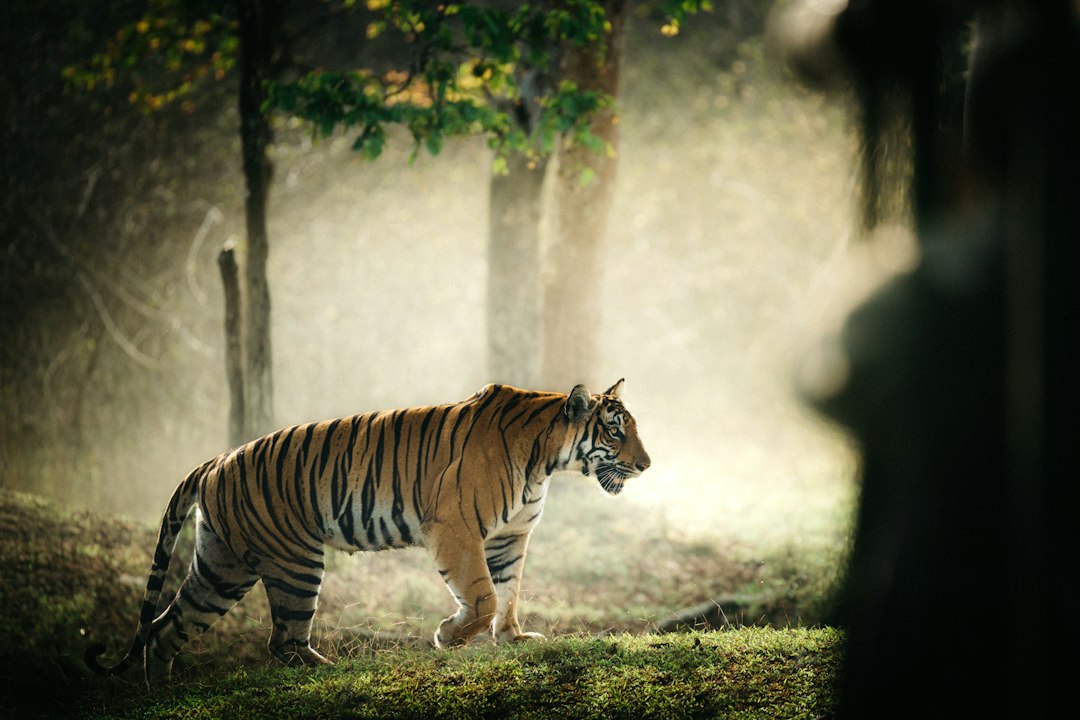
Wildlife Week 2026: Dates, History, Significance, India’s Wildlife Conservation & Important Facts
Wildlife Week 2026 is being observed in India in October as part of the country’s wildlife conservation and public-awareness efforts. The Ministry of Environment, Forest and Climate Change lists Wildlife Week in the first week of October, while the National Zoological Park, New Delhi has announced its own 2026 programme from 2 October to 8 October 2026. The difference is important when preparing for current-affairs examinations because the national observance is commonly associated with 1–7 October, whereas individual institutions may conduct programmes on different dates.
Wildlife Week is an important topic for UPSC, SSC, Banking, Railways, state government examinations and school-level general knowledge because it connects biodiversity, protected areas, species conservation, environmental governance and community participation. This article explains the dates, background, importance, conservation institutions, key facts and the latest 2026 activities.
Wildlife Week 2026: Quick Overview
| Event | Wildlife Week 2026 |
|---|---|
| India’s usual observance | 1 October to 7 October |
| 2026 National Zoological Park programme | 2 October to 8 October 2026 |
| Organisational context | Wildlife conservation and public awareness in India |
| Ministry | Ministry of Environment, Forest and Climate Change |
| Main focus | Wildlife protection, biodiversity awareness and public participation |
| Important exam area | Environment, ecology, biodiversity and conservation |
When Is Wildlife Week 2026?
Wildlife Week is traditionally observed in India during 1–7 October. The Ministry of Environment, Forest and Climate Change’s official list of important environmental days places Wildlife Week on 1–7 October.
For 2026, the National Zoological Park in New Delhi has announced a specific celebration from 2 October to 8 October 2026. Its programme includes walks, competitions, expert talks and other awareness activities. Therefore, a precise current-affairs answer should distinguish between the nationally listed observance period and the dates of a particular institution’s programme.
Why Is Wildlife Week Important?
Wildlife conservation is closely connected with ecosystem stability, biodiversity, forests, wetlands, grasslands, mountains, coastal habitats and human livelihoods. Wildlife species occupy different ecological roles: predators can regulate prey populations, pollinators support plant reproduction, seed dispersers help regenerate forests, and many species serve as indicators of ecosystem health.
Wildlife Week provides an opportunity to take conservation messages beyond protected-area management and involve students, local communities, visitors, researchers, photographers and other citizens. The 2026 National Zoological Park programme explicitly emphasises public participation, biodiversity documentation and citizen science.
History of Wildlife Week in India
Wildlife Week developed as an Indian awareness initiative centred on wildlife protection and public education. Over time, the observance has expanded beyond traditional wildlife appreciation to include biodiversity conservation, habitat protection, environmental education, scientific monitoring and community participation.
The observance is now associated with activities conducted by government departments, zoos, protected areas, research institutions, schools, colleges and conservation organisations. Its importance has increased as conservation programmes increasingly combine habitat management, species recovery, technology, scientific research and local participation.
Wildlife Week 2026 Activities at National Zoological Park
The National Zoological Park, New Delhi has announced a wide-ranging Wildlife Week programme for 2–8 October 2026. Activities include educational, awareness and participatory events.
| Activity | Purpose / Focus |
|---|---|
| Tree Walk | Nature observation and awareness |
| Bird Walk | Bird identification and biodiversity observation |
| Butterfly and Dragonfly Walk | Insect diversity and citizen participation |
| Spider and Insect Walk | Awareness of lesser-known wildlife |
| Reptile, Amphibian and Mollusc Walk | Species awareness and ecological understanding |
| Keeper’s Talk | Learning about zoo animal care and enrichment |
| Poster and Drawing Competitions | Wildlife awareness through creative activities |
| Essay and Debate Competitions | Environmental education |
| Quiz Competition | Wildlife and biodiversity knowledge |
| Expert Talks | Specialist conservation knowledge |
| Online Photography Competition | Public engagement and wildlife documentation |
The National Zoological Park has also announced online wildlife poster and quiz activities. According to the PIB release, no fee is being charged for the listed Wildlife Week activities, walks or competitions.
Wildlife Conservation in India
India’s wildlife conservation framework combines legislation, protected areas, species-specific programmes, scientific research, anti-poaching measures, habitat management and community participation. The Ministry of Environment, Forest and Climate Change is the central ministry responsible for environmental and forest-related policy, while specialised institutions and authorities undertake research, monitoring and programme implementation.
Protected Areas
National parks, wildlife sanctuaries, conservation reserves and community reserves provide different forms of legal and ecological protection. Protected areas are important for conserving habitats and populations of threatened species, while also supporting ecological processes.
Wildlife Institute of India
The Wildlife Institute of India (WII), an autonomous institute of the Ministry of Environment, Forest and Climate Change, undertakes research and training in wildlife science and conservation. Its work spans species ecology and recovery, landscape and habitat conservation, human-wildlife interactions, ecosystem services, climate change and conservation genetics. 1
Species Conservation Programmes
India has developed species-focused programmes for animals and habitats of high conservation importance. Examples include Project Tiger, Project Elephant, Project Crocodile and Project Dolphin, alongside conservation programmes for species such as the Asiatic lion, snow leopard, bustards, vultures and other threatened wildlife.
Wildlife Conservation and Citizen Science
Citizen science allows members of the public to contribute observations and biodiversity records under appropriate scientific frameworks. Bird counts, butterfly observations, photographic documentation and species records can help improve knowledge of local biodiversity.
The National Zoological Park’s 2026 Wildlife Week programme specifically links public participation with biodiversity monitoring and species documentation. Its announced bird, butterfly and dragonfly walks are examples of activities that can introduce citizens and students to field observation.
Wildlife and Biodiversity: Why Habitats Matter
Protecting individual animals is only one part of conservation. Species need functioning habitats containing food, water, shelter and breeding areas. Habitat fragmentation can isolate populations and increase human-wildlife interactions. Conservation therefore includes landscape planning, habitat restoration, ecological corridors and management of pressures such as illegal hunting, invasive species, pollution and unsustainable resource use.
India’s Big Cats and Wildlife Conservation
India is recognised for its populations of several wild big cats. Government conservation programmes have focused on tiger, Asiatic lion, leopard, snow leopard and cheetah conservation. In 2026, the Ministry of Environment, Forest and Climate Change has also highlighted collaboration around the International Big Cat Alliance and conservation of major big-cat species. turn0search70
These programmes demonstrate why wildlife conservation requires cooperation across governments, scientific institutions, protected-area managers, local communities and international partners.
Wildlife Week 2026 and Current Affairs
For competitive examinations, candidates should connect Wildlife Week with the broader environmental policy landscape rather than memorising only the date. Important areas include biodiversity conservation, protected areas, species recovery, ecological restoration, human-wildlife conflict, wildlife crime, habitat connectivity and environmental legislation.
World Wildlife Day vs Wildlife Week
Wildlife Week in India is an October observance, whereas World Wildlife Day is observed globally on 3 March. The 2026 World Wildlife Day theme was “Medicinal and Aromatic Plants: Conserving Health, Heritage and Livelihoods.” turn0search6
| Event | Date | Context |
|---|---|---|
| Wildlife Week in India | 1–7 October | Indian wildlife conservation awareness |
| NZP Wildlife Week programme 2026 | 2–8 October | National Zoological Park, New Delhi |
| World Wildlife Day | 3 March | Global observance |
Wildlife Week 2026: Important Exam Facts
- Wildlife Week is observed in India during the first week of October.
- The Ministry of Environment, Forest and Climate Change lists the period as 1–7 October.
- The National Zoological Park’s 2026 programme runs from 2–8 October.
- Wildlife conservation involves species, habitats and ecosystems.
- The Wildlife Institute of India is an autonomous institution under MoEFCC.
- World Wildlife Day is observed on 3 March.
- The 2026 World Wildlife Day theme focused on medicinal and aromatic plants.
- Citizen science can contribute to biodiversity observation and documentation.
- India’s wildlife conservation includes species-specific programmes and protected-area management.
- Wildlife Week is relevant to environment and ecology sections of competitive examinations.
Wildlife Week 2026: 10 Questions for Competitive Exams
- In which month is Wildlife Week observed in India? — October.
- What is the commonly listed Wildlife Week period in India? — 1–7 October.
- Which ministry is responsible for the central wildlife and environment policy framework? — Ministry of Environment, Forest and Climate Change.
- Where is the National Zoological Park located? — New Delhi.
- What is the 2026 National Zoological Park Wildlife Week programme period? — 2–8 October 2026.
- When is World Wildlife Day observed? — 3 March.
- What was the World Wildlife Day 2026 theme? — Medicinal and Aromatic Plants: Conserving Health, Heritage and Livelihoods.
- What does WII stand for? — Wildlife Institute of India.
- Why are wildlife corridors important? — They can help maintain habitat connectivity and movement between suitable areas.
- What is citizen science in wildlife conservation? — Public participation in structured observation, documentation or data collection that can support scientific understanding.
Frequently Asked Questions
When is Wildlife Week 2026 in India?
The Ministry of Environment, Forest and Climate Change lists Wildlife Week from 1 to 7 October. Specific institutions may run programmes on different dates; the National Zoological Park has announced its 2026 programme from 2 to 8 October.
What is the purpose of Wildlife Week?
It promotes awareness of wildlife conservation, biodiversity, habitats and public participation in protecting India’s natural heritage.
Who organises Wildlife Week?
Wildlife Week activities are conducted by government departments, zoos, protected areas, research institutions, educational organisations and conservation groups. The Ministry of Environment, Forest and Climate Change provides the central policy context.
What is the difference between Wildlife Week and World Wildlife Day?
Wildlife Week is an Indian October observance, while World Wildlife Day is an international observance held on 3 March.
What is the Wildlife Week 2026 date at National Zoological Park?
The National Zoological Park, New Delhi has announced activities from 2 October to 8 October 2026.
Is Wildlife Week important for competitive exams?
Yes. Dates, conservation institutions, species programmes, protected areas, biodiversity and environmental policies are recurring areas in general awareness and environment-related examinations.
Official Sources
For current information, readers should refer to the Ministry of Environment, Forest and Climate Change’s environmental-days information, the National Zoological Park programme announcements and the Wildlife Institute of India’s official website. The exact schedule of local Wildlife Week events can vary by institution.
Official Sources and Related CareerSphere Articles
For the latest programme details, readers should check the Press Information Bureau release on Wildlife Week 2026 and the official Wildlife Institute of India website. Programme dates and activities can vary by institution, so readers should rely on the latest official announcement for local events.
For related reading on CareerSphere, see World Animal Day 2026 and WII Recruitment 2026.
Leave a Reply