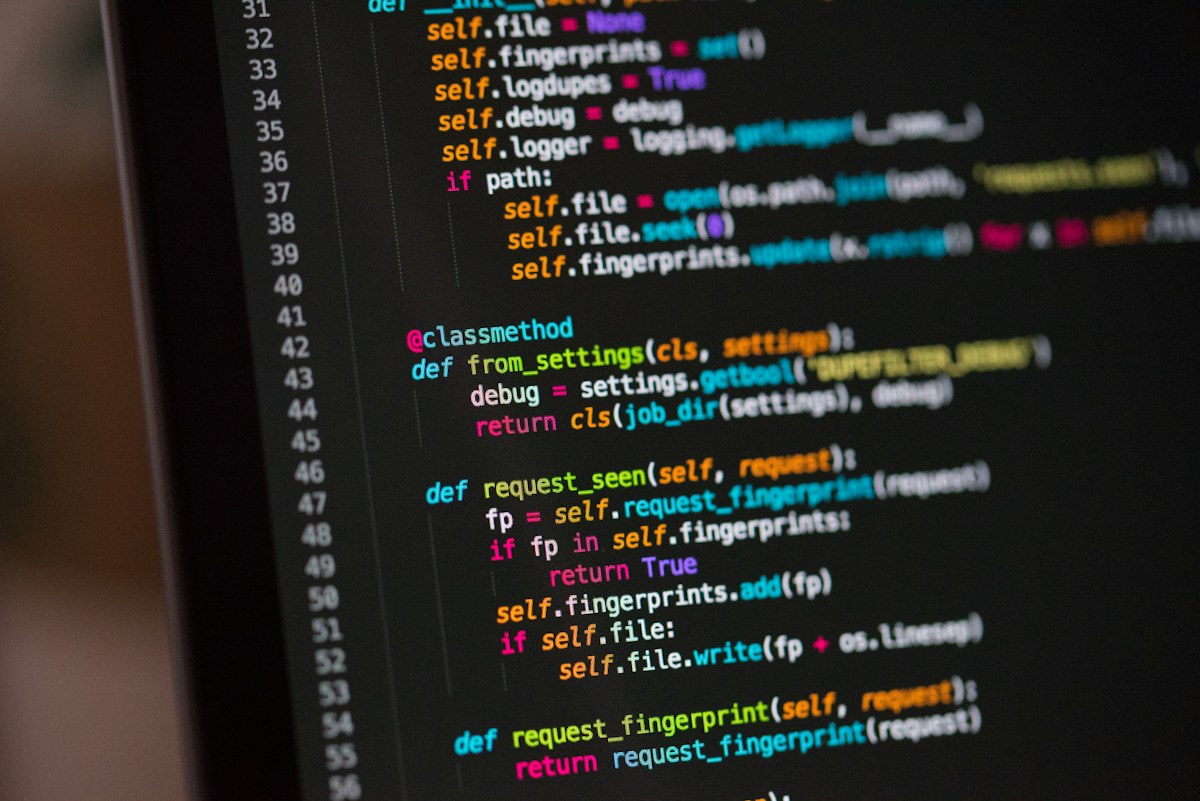
World Coding Day 2026 will be observed on October 29, 2026. UNESCO recognizes coding as an important form of literacy in the age of artificial intelligence, connecting programming with logic, creativity, problem-solving, digital skills and innovation.
UNESCO Member States designated October 29 as World Coding Day. The observance was celebrated for the first time in 2024. It provides an opportunity for students, teachers, developers, institutions and technology enthusiasts to understand how coding shapes modern life and future careers.
World Coding Day 2026: Key Details
| Particular | Details |
|---|---|
| Observance | World Coding Day |
| Date | October 29, 2026 |
| Day | Thursday |
| Proclaimed by | UNESCO |
| First celebrated | 2024 |
| Annual date | October 29 |
| Main focus | Coding, digital literacy, creativity, problem-solving and innovation |
When is World Coding Day 2026?
World Coding Day 2026 is on Thursday, October 29, 2026. UNESCO’s official international-days information lists October 29 as World Coding Day.
What is World Coding Day?
World Coding Day is an annual UNESCO observance highlighting the importance of coding in the digital age. Coding means writing instructions that computers and digital systems can execute. It is used in websites, mobile applications, software, databases, automation, artificial intelligence systems and many other technologies.
UNESCO describes coding as a form of literacy in the age of AI. This means coding is not only about becoming a professional programmer. Understanding basic programming concepts can help learners understand technology, solve problems systematically and become more capable creators of digital tools.
History of World Coding Day
World Coding Day is a relatively new international observance. UNESCO’s General Conference adopted the resolution proclaiming 29 October of every year as World Coding Day on November 20, 2023.
The UNESCO resolution recognizes the importance of coding to economic development and innovation. It also invites Member States to organize events at national, regional and international levels on the occasion.
The first World Coding Day was celebrated in 2024. The observance therefore provides a recent international platform for schools, universities, technology organizations and communities to promote coding education.
World Coding Day 2026 Theme
UNESCO’s official World Coding Day page does not identify a separate annual slogan or theme specifically for 2026. Therefore, an unofficial phrase should not be presented as the official UNESCO 2026 theme.
UNESCO’s current World Coding Day information emphasizes equitable and accessible coding education, digital literacy, critical thinking, creativity and the ability to participate meaningfully in an increasingly AI-driven world.
Why is World Coding Day important?
Coding is connected with education, employment, innovation and digital participation. Software is used across banking, healthcare, transport, manufacturing, education, communications and public services.
The observance also draws attention to unequal access to computer-science education. UNESCO highlights challenges such as differences in infrastructure, teacher availability, teacher development and learning resources. Gender inequality can further affect access to coding skills.
World Coding Day can therefore be used to celebrate programming while also encouraging wider and more inclusive access to digital learning.
How coding helps students
- Logical thinking: Programming requires instructions and conditions to be organized logically.
- Problem-solving: Large problems can be divided into smaller tasks and solved step by step.
- Creativity: Students can turn ideas into websites, games, applications and digital projects.
- Computational thinking: Coding introduces algorithms, patterns and abstraction.
- Technology awareness: Students gain a better understanding of how digital systems work.
- Career exploration: Programming introduces learners to software, data, AI, automation and cybersecurity.
How coding is used in everyday life
People use coded systems throughout the day, often without noticing them. Online banking, digital payments, search engines, shopping websites, navigation applications, streaming services and communication platforms all rely on software.
In workplaces, coding is used for automation, data processing, reporting, customer services, security systems and business applications. In scientific research, programs can process large datasets and perform complex calculations. In manufacturing, software can control equipment and production systems.
Coding and Artificial Intelligence
Artificial intelligence has made programming skills increasingly relevant. AI applications depend on software, data and computing infrastructure, while developers use programming tools to build, test and deploy AI-based systems.
AI-assisted coding tools can generate or explain code, but programming knowledge remains important for reviewing output, finding errors, testing solutions and considering security. A generated program still needs human judgment about whether it solves the correct problem.
UNESCO places coding within the wider discussion of AI literacy and critical AI competencies. The objective is not simply to teach syntax, but to help learners understand technology critically and use it creatively and responsibly.
World Coding Day 2026 Activities
Schools, colleges, universities, technology clubs and community organizations can mark the day through practical activities.
- Beginner coding workshops
- Python or JavaScript introduction sessions
- Webpage-building activities
- Student programming competitions
- Coding quizzes
- Hackathons and mini-projects
- Technology career talks
- AI and coding awareness sessions
- Open-source project demonstrations
- Digital-literacy programmes for beginners
World Coding Day 2026 for Beginners
A beginner does not need to master a programming language immediately. Basic concepts such as variables, conditions, loops, functions and simple data structures can be introduced gradually.
A small project can make learning practical. A learner could build a calculator, quiz, number game, personal webpage or simple data-processing program. The objective is to understand how a real problem is converted into a sequence of instructions.
Popular Areas Where Coding Is Used
| Area | Examples of coding use |
|---|---|
| Web development | Websites, web applications and online services |
| Mobile technology | Android and iOS applications |
| Data | Data processing, analysis and visualization |
| Artificial intelligence | AI applications, machine learning and automation |
| Cybersecurity | Security tools, testing and automation |
| Finance | Banking systems and payment platforms |
| Healthcare | Digital records and research systems |
| Education | Learning platforms and educational applications |
Career Opportunities Related to Coding
Coding can support many technology career paths. Examples include software developer, web developer, mobile application developer, data analyst, data engineer, machine-learning engineer, automation developer, QA automation engineer and cybersecurity professional.
The skills required vary by role. Web development may involve HTML, CSS and JavaScript. Data-related roles may use Python and SQL. Other positions can require Java, C++, C#, Go or specialized programming environments.
Students do not need to learn every programming language. A strong understanding of programming fundamentals, combined with practical projects and problem-solving ability, can provide a stronger foundation than memorizing many languages.
What students can learn from coding
Coding teaches a structured way of approaching unfamiliar problems. A programmer identifies the required result, divides a task into smaller operations, chooses suitable instructions, tests the solution and corrects errors.
Debugging is another important learning experience. A program can fail because of incorrect logic, unexpected data, a spelling error or an assumption that does not match the requirement. Finding the cause encourages careful analysis and persistence.
Programming Languages and Tools
There is no single programming language for every purpose. Python is widely used for learning, automation and data-related work. JavaScript is important in web development. Java, C++, C#, Go and other languages are used in different software environments.
Modern software development also involves code editors, version-control systems, testing frameworks, databases and cloud platforms. Understanding how these tools fit together is an important part of practical development.
World Coding Day and Teachers
Teachers play an important role in introducing coding to students. A classroom activity can demonstrate algorithms, patterns and logical reasoning without requiring an advanced computer-science course.
Coding can also be connected with mathematics, science, geography, languages and creative projects. Teacher training and suitable learning resources are important because access to a curriculum alone does not guarantee effective coding education.
Coding Education and Digital Inclusion
Access to coding education remains uneven. UNESCO highlights shortages of trained teachers, insufficient infrastructure, limited learning resources and unequal access to computer-science education.
Inclusive programmes can help by providing shared devices, community classes, accessible learning resources and opportunities to practise. Programmes that encourage girls and other underrepresented learners to participate can also support greater diversity in technology.
How Colleges and Organizations Can Mark October 29
Colleges can invite developers, data professionals, cybersecurity specialists or technology educators for career sessions followed by hands-on activities. Organizations can conduct introductory coding or automation workshops for employees.
Community programmes can offer different levels of participation. Beginners can work through guided exercises, while experienced participants can solve programming problems or contribute to small projects. This makes the observance useful to learners with different levels of experience.
World Coding Day 2026: Important Facts
- World Coding Day is observed on October 29 every year.
- World Coding Day 2026 falls on Thursday, October 29.
- UNESCO Member States designated October 29 as World Coding Day.
- The proclamation was adopted by the UNESCO General Conference on November 20, 2023.
- The first World Coding Day was celebrated in 2024.
- The UNESCO resolution recognizes coding’s importance to economic development and innovation.
- UNESCO describes coding as a form of literacy in the age of artificial intelligence.
- The observance encourages equitable and accessible coding education.
World Coding Day 2026 FAQs
When is World Coding Day 2026?
World Coding Day 2026 will be observed on Thursday, October 29, 2026.
Who proclaimed World Coding Day?
UNESCO proclaimed October 29 of every year as World Coding Day through a resolution adopted by its General Conference in 2023.
When was World Coding Day first celebrated?
The first World Coding Day was celebrated in 2024.
What is the official theme of World Coding Day 2026?
UNESCO’s official information reviewed for 2026 does not specify a separate annual theme or slogan. Its focus includes coding education, digital literacy, creativity, problem-solving and equitable access to coding skills.
Why is coding important in the AI era?
Coding helps learners understand how digital systems are created and supports computational thinking, software development and AI-related skills. UNESCO connects coding with broader AI literacy and critical competencies.
How can students celebrate World Coding Day?
Students can participate in coding workshops, programming challenges, project exhibitions, hackathons or beginner-friendly programming activities.
Can beginners learn coding?
Yes. Beginners can start with basic programming concepts and small projects before progressing to advanced software development.
Official World Coding Day Sources
UNESCO General Conference Resolution
World Coding Day 2026 is an opportunity to understand coding as more than a technical skill. As software and artificial intelligence become increasingly important in education, employment and everyday life, accessible coding education can help learners develop the logic, creativity and problem-solving skills needed to participate in the digital future.
Leave a Reply