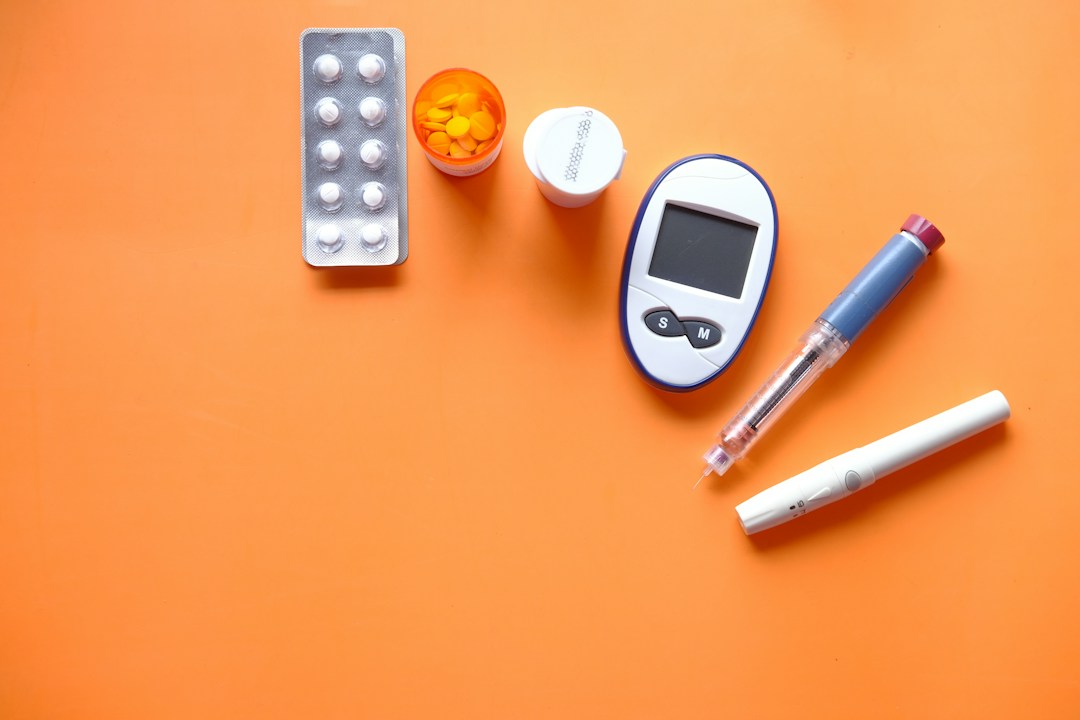
World Diabetes Day 2026 will be observed on 14 November 2026. The World Health Organization (WHO) has announced the 2026 theme, “Early action on diabetes”, placing the focus on recognizing symptoms sooner, improving diagnosis, ensuring access to comprehensive care and reducing stigma. WHO notes that more than 40% of people living with diabetes globally are undiagnosed.
World Diabetes Day 2026: Date and Theme
| Particular | Details |
|---|---|
| Day | World Diabetes Day |
| Date | 14 November 2026 |
| 2026 Theme | Early action on diabetes |
| Focus | Earlier diagnosis, comprehensive care and reducing diabetes stigma |
| Established | 1991 by the International Diabetes Federation with WHO support |
| UN recognition | Official United Nations day since 2006 |
| Key campaign hashtag | #ActEarlyOnDiabetes |
What is World Diabetes Day?
World Diabetes Day is an annual global awareness day observed on 14 November. It draws attention to diabetes as a major public-health issue and highlights the importance of prevention, timely diagnosis, treatment and long-term management. WHO states that the day provides an opportunity to emphasize collective and individual action to improve prevention, diagnosis and management.
The date is linked to the birthday of Sir Frederick Banting, who, together with Charles Best, is associated with the discovery of insulin. The International Diabetes Federation and WHO established World Diabetes Day in 1991 in response to growing concerns about diabetes. In 2006, the United Nations officially recognized 14 November as World Diabetes Day.
World Diabetes Day 2026 Theme: “Early action on diabetes”
The 2026 theme is “Early action on diabetes”. WHO says the campaign highlights the importance of earlier diagnosis, access to comprehensive care and reducing diabetes stigma.
The theme is particularly relevant because diabetes can remain undiagnosed for a long period. WHO reports that more than 40% of people living with diabetes globally are undiagnosed. Earlier recognition of possible symptoms can help people seek appropriate medical advice and testing instead of delaying care.
Why early diagnosis matters
Diabetes can affect the body over time, and people may not always recognize symptoms, especially in type 2 diabetes. WHO identifies increased thirst, frequent urination, tiredness and blurred vision among common symptoms. Type 1 diabetes can develop rapidly, while type 2 diabetes commonly develops more gradually.
Symptoms alone cannot establish a diagnosis. Anyone concerned about possible diabetes should seek advice from a qualified healthcare professional and follow appropriate testing and treatment guidance.
Types of Diabetes
| Type | General description |
|---|---|
| Type 1 diabetes | The pancreas produces little or no insulin. It can develop at any age and may develop rapidly. |
| Type 2 diabetes | The body does not use insulin effectively. It often develops gradually and may have few noticeable symptoms. |
| Gestational diabetes | Hyperglycaemia first recognized during pregnancy and associated with health risks for both mother and child. |
Diabetes in India
Diabetes is an important noncommunicable disease challenge in India. WHO India describes diabetes as a chronic disease in which the pancreas does not produce enough insulin or the body cannot effectively use the insulin it produces, resulting in increased blood glucose levels.
WHO India identifies factors associated with the growing diabetes burden, including rapid urbanization, sedentary lifestyles, unhealthy diets, tobacco use and increasing life expectancy. It also notes that overweight and obesity are important risk factors for type 2 diabetes and that behavioural measures such as a healthy diet and regular physical activity can help prevent or delay some cases.
For current-affairs preparation, candidates should distinguish between general awareness information and individual medical advice. Health statistics can change as new studies and official estimates are published, so examination answers should preferably rely on the latest official source.
WHO Global Diabetes Coverage Targets for 2030
WHO Member States endorsed five global diabetes coverage targets in 2022, with a 2030 horizon. These targets are important for understanding the international policy context surrounding World Diabetes Day 2026.
| Target | 2030 Goal |
|---|---|
| Diagnosis | 80% of people with diabetes are diagnosed |
| Glycaemic control | 80% of people with diagnosed diabetes have good control of glycaemia |
| Blood pressure | 80% of people with diagnosed diabetes have good control of blood pressure |
| Statins | 60% of people with diabetes aged 40 years or older receive statins |
| Type 1 diabetes access | 100% of people with type 1 diabetes have access to affordable insulin and blood-glucose self-monitoring |
Key Messages of World Diabetes Day 2026
1. Know the symptoms
WHO encourages awareness of possible diabetes symptoms, including increased thirst, frequent urination, tiredness, unexplained weight loss and blurred vision. Recognizing possible warning signs can encourage timely medical consultation.
2. Recognize type 1 diabetes
Type 1 diabetes can occur at any age and may be missed or misdiagnosed, particularly in adults. Awareness of symptoms is therefore an important part of the 2026 early-action message.
3. Improve equitable access to care
Diagnosis must be followed by access to timely and affordable treatment, medicines, technologies and continuing support. Early action is meaningful only when people can obtain appropriate care.
4. Create healthier environments
WHO highlights access to healthy food, opportunities for physical activity and quality health services as important elements of healthier environments. Public-health approaches can complement individual efforts to reduce risk and improve diabetes management.
5. Reduce stigma
WHO’s 2026 campaign also calls attention to diabetes stigma. People living with diabetes should be supported rather than blamed or stereotyped. Respectful communication can help people seek care and discuss their health needs openly.
History of World Diabetes Day
World Diabetes Day was established in 1991 by the International Diabetes Federation with support from WHO. The initiative was created in response to increasing concern about the health and economic consequences of diabetes. The United Nations later recognized 14 November as an official UN day in 2006.
The day has since become a major international platform for diabetes awareness. Each year’s campaign can highlight a particular dimension of prevention, diagnosis, treatment, access or public awareness.
World Diabetes Day 2026 and Competitive Exams
World Diabetes Day is a useful topic for current-affairs sections of UPSC, SSC, banking, railway and state-level examinations. Questions may focus on the date, theme, organizations involved, history, global targets or basic public-health facts.
| Exam Fact | Answer |
|---|---|
| World Diabetes Day | 14 November |
| 2026 theme | Early action on diabetes |
| Established in | 1991 |
| Established by | International Diabetes Federation with WHO support |
| UN recognition | 2006 |
| 2030 diagnosis target | 80% of people with diabetes diagnosed |
| 2026 campaign hashtag | #ActEarlyOnDiabetes |
Frequently Asked Questions
When is World Diabetes Day 2026?
World Diabetes Day 2026 will be observed on 14 November 2026.
What is the theme of World Diabetes Day 2026?
The WHO theme for 2026 is “Early action on diabetes.”
Why is World Diabetes Day observed on 14 November?
14 November is associated with the birthday of Sir Frederick Banting, one of the scientists associated with the discovery of insulin.
When was World Diabetes Day established?
It was established in 1991 by the International Diabetes Federation with support from WHO and became an official UN day in 2006.
What is the main message of the 2026 campaign?
The campaign emphasizes earlier recognition and diagnosis, comprehensive care, equitable access and reducing diabetes stigma.
What are the five WHO diabetes coverage targets for 2030?
They cover diagnosis, glycaemic control, blood-pressure control, statin use among eligible people aged 40 years or older, and access to affordable insulin and blood-glucose self-monitoring for people with type 1 diabetes.
Related Current Affairs on CareerSphere
- World AIDS Day 2026: Date, Theme, History and Key Facts
- World Teachers’ Day 2026: Date, Theme, History and Significance
- World Space Week 2026: Dates, Theme and Key Facts
- Nobel Prize 2026: Dates, Winners and Latest Updates
Why World Diabetes Day Matters for Current Affairs
World Diabetes Day combines a fixed annual date with a changing campaign focus, making it useful for current-affairs preparation. For 2026, the key development is the WHO emphasis on early action. Candidates should connect the theme with earlier diagnosis, comprehensive care, equitable access and reducing stigma rather than memorizing the theme in isolation.
The topic also links several important areas of general studies: noncommunicable diseases, universal health coverage, access to essential medicines, public-health awareness and international health cooperation. The five WHO coverage targets provide measurable benchmarks up to 2030 and can be useful when a question asks about international diabetes policy.
Important points to remember
- World Diabetes Day is observed every year on 14 November.
- The 2026 WHO theme is “Early action on diabetes”.
- World Diabetes Day was established in 1991 by the International Diabetes Federation with WHO support.
- The United Nations recognized World Diabetes Day as an official UN day in 2006.
- WHO says more than 40% of people living with diabetes globally are undiagnosed.
- WHO Member States endorsed five diabetes coverage targets for achievement by 2030.
- The 2026 campaign encourages awareness of symptoms and earlier medical consultation where appropriate.
How to Prepare World Diabetes Day Questions
For competitive examinations, revise the topic in four layers: date, theme, history and policy facts. First remember 14 November. Next remember the 2026 theme, “Early action on diabetes”. Then revise the 1991 establishment and 2006 UN recognition. Finally, remember the five 2030 coverage targets and the central message about earlier diagnosis and access to care.
These facts can be useful in one-line current-affairs questions, matching exercises, static-GK revisions and health-related general studies sections. Since campaign details and health statistics can be updated, candidates should check the latest WHO material when preparing for an examination.
Conclusion
World Diabetes Day 2026 on 14 November will focus on “Early action on diabetes.” The WHO campaign connects early recognition and diagnosis with access to comprehensive care, healthier environments and respectful support for people living with diabetes. For students and competitive-exam aspirants, the date, theme, history, WHO targets and 2030 goals are important facts to remember. For the public, the central message is to recognize possible symptoms, seek appropriate professional advice when concerned and support accurate, stigma-free diabetes awareness.
Source: World Health Organization (WHO), including the official World Diabetes Day 2026 campaign and WHO India diabetes resources.
Leave a Reply