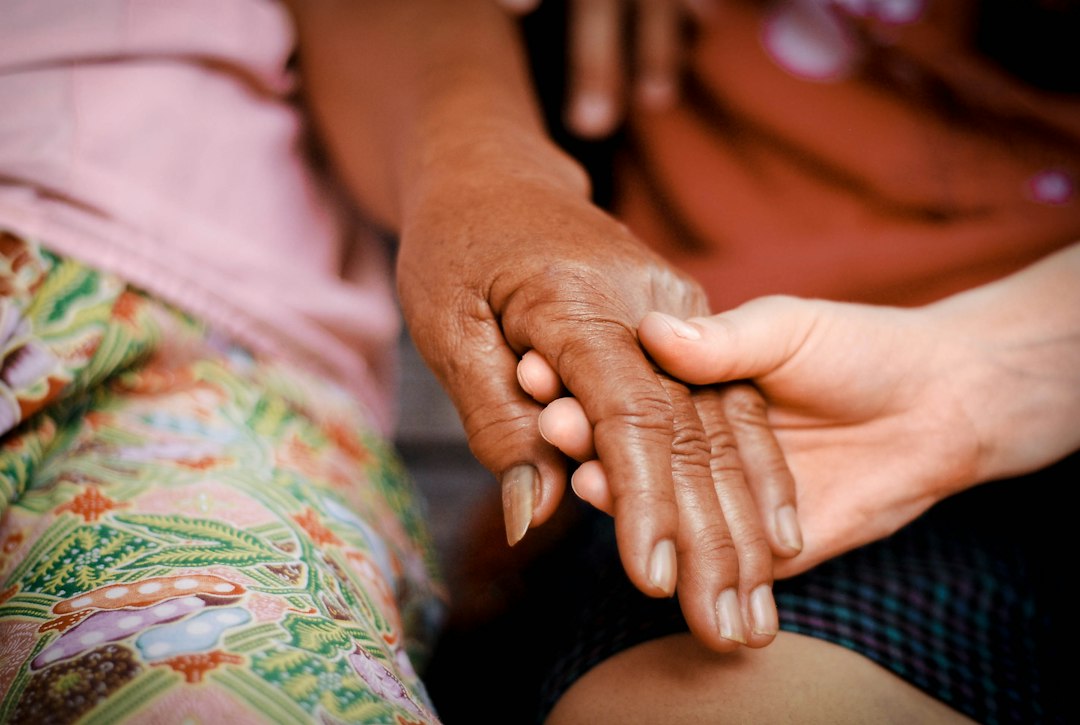
World Hospice and Palliative Care Day 2026 will be observed on Saturday, October 10, 2026. Held annually on the second Saturday of October, the global observance draws attention to hospice and palliative care and to the need for compassionate, person-centred support for people living with serious illness and for their families.
Palliative care aims to improve quality of life by preventing and relieving suffering associated with serious health conditions. It can address physical symptoms as well as psychological, social and spiritual concerns, and it can be provided alongside treatment for an illness rather than only at the final stage of life.
World Hospice and Palliative Care Day 2026: Quick Facts
| Date | October 10, 2026 |
| Day | Saturday |
| Observed | Second Saturday of October |
| Global organiser | Worldwide Hospice Palliative Care Alliance (WHPCA) |
| Main purpose | Awareness and equitable access to quality palliative care |
| Core focus | Quality of life, symptom relief, dignity and support for patients and families |
What Is World Hospice and Palliative Care Day?
World Hospice and Palliative Care Day is an annual global campaign coordinated by the Worldwide Hospice Palliative Care Alliance. Organisations, healthcare workers, patients, families, advocates and communities use the day to raise awareness about palliative care and the barriers that prevent people from receiving it.
The campaign also recognises the work of professionals and caregivers who support people with serious illness. Events may include public education, professional discussions, community programmes, remembrance activities and advocacy for stronger palliative-care services.
When Is World Hospice and Palliative Care Day 2026?
The observance takes place on the second Saturday of October. In 2026, that date is October 10. The day shares the calendar with other major awareness observances, including World Mental Health Day 2026 and the October peak date of World Migratory Bird Day 2026.
What Is Palliative Care?
The World Health Organization describes palliative care as an approach that improves the quality of life of patients and their families who face problems associated with life-threatening illness. It seeks to prevent and relieve suffering through early identification, assessment and treatment of pain and other physical, psychosocial or spiritual problems.
This definition is important because palliative care is broader than pain medicine. Serious illness can affect sleep, appetite, mobility, emotional wellbeing, family relationships, finances and the ability to carry out daily activities. A palliative-care team may therefore include doctors, nurses and other professionals working together according to the patient’s needs.
Palliative Care Is Not Only End-of-Life Care
One common misunderstanding is that palliative care begins only when all disease-directed treatment has stopped. In practice, palliative care can be introduced earlier and provided alongside treatments intended to control or treat illness.
Early attention to symptoms and quality of life can help patients and families understand care options and cope with the practical and emotional effects of serious disease. The exact care plan depends on the person’s condition, preferences and local healthcare services.
Hospice Care and Palliative Care: What Is the Difference?
The terms are related but are not always identical. Palliative care is a broad approach to improving quality of life during serious illness and can be relevant at different stages. Hospice commonly refers to a model of care focused on comfort and quality of life when a person is approaching the end of life, although definitions and eligibility rules differ between health systems and countries.
Both approaches place importance on dignity, communication, symptom management and support for families. Readers should rely on local healthcare providers for specific service definitions and eligibility.
Why World Hospice and Palliative Care Day Matters
Serious illness affects millions of people and can create substantial physical and emotional suffering. Yet access to palliative care varies widely. Awareness days can help families understand that symptom relief and supportive care are legitimate parts of healthcare rather than signs of giving up.
The day also highlights the need for trained healthcare professionals, appropriate medicines, community services, caregiver support and policies that integrate palliative care into health systems.
Who May Benefit from Palliative Care?
Palliative care may be relevant for people living with a range of serious conditions. These can include cancer, advanced heart or lung disease, neurological conditions, kidney disease and other illnesses that create significant symptoms or affect quality of life.
Eligibility and timing are clinical matters. A patient or family member who wants to know whether palliative care may be appropriate should discuss the question with the treating healthcare team.
Support for Families and Caregivers
Serious illness affects more than the patient. Family members may take on medication management, transport, personal care and communication with healthcare teams while also dealing with their own emotional stress and employment or financial responsibilities.
Good palliative care recognises this wider impact. Depending on the service, families may receive education about symptoms, counselling, practical guidance, respite support or bereavement services. Caregiver wellbeing matters because sustained caregiving can be physically and emotionally demanding.
Palliative Care in the Community
Palliative care can be delivered in different settings, including hospitals, outpatient clinics, dedicated hospices and homes. Community and home-based services can be especially valuable for patients who prefer to remain in familiar surroundings when clinically appropriate.
Local models vary greatly according to available healthcare infrastructure and trained personnel. Strengthening community awareness can help people know where to ask for assistance and can reduce misconceptions surrounding hospice and palliative services.
World Hospice and Palliative Care Day 2026 Theme
Annual campaigns may use a specific global theme to focus attention on a priority issue. CareerSphere only labels a slogan as the official 2026 theme when it is confirmed by the Worldwide Hospice Palliative Care Alliance or another authoritative campaign source. Until such confirmation is available, readers should avoid relying on unsourced theme lists.
The enduring purpose of the observance is clear: improve awareness, advocate for access to quality palliative care and recognise the dignity and needs of people living with serious illness.
How Healthcare Institutions Can Observe the Day
- Conduct awareness sessions explaining when palliative care may be helpful.
- Provide educational material for patients and family caregivers.
- Organise professional training on symptom management and communication.
- Discuss referral pathways so healthcare workers know how patients can access services.
- Recognise multidisciplinary staff and volunteers involved in palliative care.
- Hold community conversations that address myths about hospice and palliative care.
- Share information about available local support services.
Activities for Schools and Colleges
Because this is a sensitive health topic, student activities should focus on compassion, health literacy and respect rather than clinical advice.
- Compassion poster: Create messages about dignity, empathy and support for people facing serious illness.
- Healthcare career talk: Invite an appropriate professional to discuss palliative medicine, nursing or social work.
- Communication workshop: Discuss respectful ways to support someone experiencing illness or grief.
- Volunteer awareness: Learn how approved community organisations support patients and caregivers.
- Essay activity: Write about why quality of life matters in healthcare.
World Hospice and Palliative Care Day 2026 Speech
Good morning everyone. Today we observe World Hospice and Palliative Care Day, a global occasion dedicated to improving understanding of compassionate care for people living with serious illness.
Palliative care focuses on quality of life. It seeks to relieve pain and other difficult symptoms while also recognising emotional, social and spiritual needs. Importantly, palliative care can be provided alongside other medical treatment and is not limited only to the final days of life.
The day also reminds us to recognise families and caregivers. Serious illness can affect an entire household, and compassionate healthcare includes clear communication, respect and support. Let us use this occasion to replace misconceptions with understanding and to recognise the dignity of every person receiving care. Thank you.
Messages and Awareness Quotes
- Compassionate care protects dignity and quality of life.
- Every person facing serious illness deserves to be heard, respected and supported.
- Palliative care is about living as well as possible while facing serious illness.
- Support patients. Support families. Strengthen compassionate care.
- On World Hospice and Palliative Care Day, recognise the professionals and caregivers who provide comfort and support.
- Good healthcare includes attention to pain, symptoms, communication and quality of life.
Short Captions and WhatsApp Status
- October 10 | World Hospice and Palliative Care Day 2026
- Care with compassion. Care with dignity.
- Quality of life matters.
- Support patients. Support caregivers.
- Compassion is an essential part of healthcare.
- Learn more about palliative care.
GK Questions and Answers
When is World Hospice and Palliative Care Day 2026?
It is observed on Saturday, October 10, 2026.
When is the day observed annually?
It is held on the second Saturday of October.
Which organisation coordinates the global observance?
The Worldwide Hospice Palliative Care Alliance coordinates the campaign.
What is the main aim of palliative care?
Its broad aim is to improve quality of life and prevent or relieve suffering associated with serious illness.
Is palliative care only for the last days of life?
No. It can be provided earlier in serious illness and alongside other treatments.
Frequently Asked Questions
What does a palliative-care team do?
Depending on the service and patient’s needs, a team may help manage symptoms, provide communication and psychosocial support, coordinate care and support family caregivers.
Does receiving palliative care mean stopping treatment?
Not necessarily. Palliative care can be given together with disease-directed treatment. Individual decisions should be discussed with the treating medical team.
Can palliative care be provided at home?
In some healthcare systems and locations, home-based palliative-care services are available. Availability varies, so patients should ask local healthcare providers.
Who should someone contact for palliative care?
A treating doctor, hospital or local healthcare service can advise on appropriate referrals and services.
How can communities support the observance?
Communities can share accurate information, support recognised care organisations, acknowledge caregivers and encourage respectful conversations about serious illness.
Is this article medical advice?
No. It provides general awareness information and does not replace individual assessment or advice from qualified healthcare professionals.
Planning a World Hospice and Palliative Care Day Programme
A thoughtful awareness programme should explain palliative care in clear language and correct common misunderstandings. Palliative care is not limited to one diagnosis or one final stage of life; depending on the healthcare system and the individual situation, it can support people living with serious illness while other treatment continues. The exact services available vary by country and provider.
Schools and colleges can approach the topic through health education, ethics and communication. Healthcare institutions can hold professional education sessions, family-information meetings or discussions about compassionate communication. Community organisations can share reliable information about local services without publishing private patient details.
Respectful Awareness
Stories about serious illness should be handled sensitively. Avoid graphic material, exaggerated claims or promises about outcomes. A good campaign can focus on dignity, comfort, communication, caregiver support and the importance of asking qualified healthcare professionals about individual care needs.
Related CareerSphere Guides
See also International Day of Care and Support 2026, World Trauma Day 2026 and World Spine Day 2026.
Conclusion
World Hospice and Palliative Care Day 2026 on October 10 highlights a fundamental principle of healthcare: people living with serious illness should receive care that considers comfort, dignity and quality of life as well as disease treatment.
The observance also brings attention to families, caregivers and multidisciplinary professionals. Better awareness can help reduce misconceptions and encourage timely conversations with healthcare teams about supportive care when it may be beneficial.
Leave a Reply