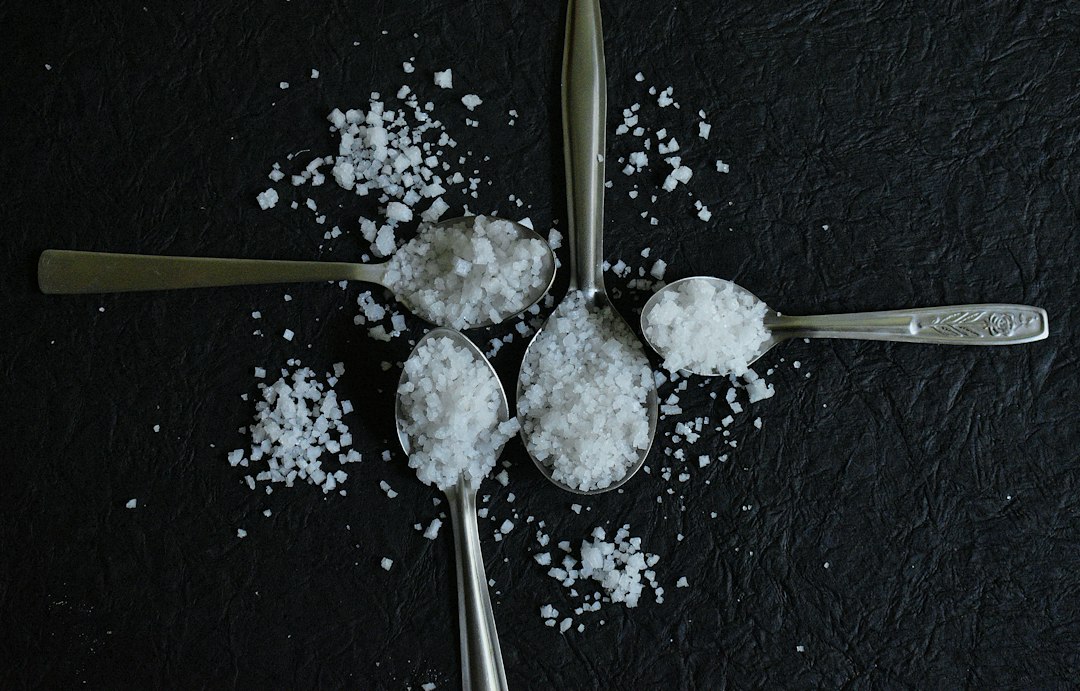
World Iodine Deficiency Day 2026, also widely referred to as Global Iodine Deficiency Disorders Prevention Day, will be observed on Wednesday, 21 October 2026. The awareness day highlights the importance of adequate iodine nutrition, the role of iodized salt in public health and the need to prevent iodine deficiency disorders, especially during pregnancy and childhood.
World Iodine Deficiency Day 2026 Overview
| Date | 21 October 2026 |
|---|---|
| Day | Wednesday |
| Observed annually | October 21 |
| Also known as | Global Iodine Deficiency Disorders Prevention Day |
| Focus | Adequate iodine nutrition and prevention of iodine deficiency disorders |
Why Iodine Matters
Iodine is an essential micronutrient needed for the production of thyroid hormones. These hormones play important roles in metabolism, growth and development. The body cannot make iodine, so it must come from food and other appropriate dietary sources.
Both inadequate and excessive iodine intake can affect thyroid function. Public-health guidance therefore focuses on adequate intake rather than indiscriminate supplementation.
What Is Iodine Deficiency?
Iodine deficiency occurs when iodine intake is insufficient to meet the body’s needs. The effects can vary with the degree and duration of deficiency and with a person’s stage of life.
Because thyroid hormones are important for growth and neurological development, adequate iodine nutrition is particularly important during pregnancy, infancy and childhood.
What Are Iodine Deficiency Disorders?
Iodine deficiency disorders, often abbreviated as IDD, describe a range of health consequences associated with insufficient iodine. Goitre—an enlargement of the thyroid gland—is one recognized manifestation, but iodine deficiency can have effects beyond visible thyroid enlargement.
Symptoms or thyroid enlargement should be assessed by a qualified healthcare professional because thyroid problems have multiple possible causes.
Iodized Salt and Public Health
Iodization of edible salt has been a major public-health strategy for improving population iodine intake. Iodized salt contains iodine in a form intended to help people meet nutritional requirements through normal dietary use.
Using iodized salt does not mean people should consume more salt. Public-health advice to limit excessive sodium intake still applies. The practical goal is that the salt used in appropriate amounts is adequately iodized.
How to Identify Iodized Salt
Consumers should check packaged salt labels for information indicating that the product is iodized and should follow applicable national food standards. Proper storage also matters because moisture and unsuitable storage conditions can affect product quality.
Claims about specialty salts should be treated carefully. A product’s colour, price or marketing description does not guarantee that it supplies an adequate amount of iodine.
Iodine During Pregnancy
Iodine requirements are especially important during pregnancy because maternal thyroid hormones and iodine status are linked with fetal growth and brain development. Pregnant people should follow evidence-based nutrition guidance from qualified healthcare professionals.
Supplement recommendations vary by country, diet and individual circumstances. High-dose iodine should not be self-prescribed because excessive intake can also disrupt thyroid function.
Iodine and Children
Children need adequate iodine as part of a balanced diet to support normal growth and development. Population strategies such as salt iodization can help reduce deficiency without requiring families to diagnose or treat themselves.
If a child has growth concerns, neck swelling, unusual fatigue or other persistent symptoms, parents should seek appropriate medical assessment rather than assuming iodine deficiency is the cause.
Food Sources of Iodine
Iodine content varies between foods and regions. Sources can include iodized salt and certain foods such as seafood, dairy products and eggs, depending on dietary patterns and food-production practices.
People following restrictive diets may have different iodine intakes. Anyone concerned about deficiency should discuss diet and appropriate assessment with a qualified professional instead of relying on unverified supplements.
Thyroid Health and Iodine
The thyroid gland uses iodine to produce thyroid hormones. However, thyroid disorders are not all caused by iodine deficiency. Autoimmune disease, medicines, inflammation, nodules and other conditions can affect thyroid function.
Laboratory tests and clinical evaluation are used when thyroid disease is suspected. Taking iodine without a clear reason can complicate some thyroid conditions.
India and Iodine Deficiency Prevention
India has implemented public-health measures promoting adequately iodized salt to reduce iodine deficiency disorders. Awareness efforts emphasize household use of properly iodized salt while also supporting broader nutrition and food-safety goals.
Consumers should rely on current guidance from Indian health and food-safety authorities for standards, testing and public-health recommendations.
Common Myths About Iodine
Myth: More iodine always means a healthier thyroid. Fact: Excessive iodine can also cause thyroid problems.
Myth: Using iodized salt means eating extra salt. Fact: Salt intake can still be limited; the salt that is used can be iodized.
Myth: Every thyroid problem is caused by iodine deficiency. Fact: Thyroid disorders have many causes.
Myth: Expensive specialty salt automatically contains enough iodine. Fact: Check the label and applicable standards rather than relying on marketing.
How Schools Can Observe World Iodine Deficiency Day
- Explain the role of iodine in normal growth and thyroid function.
- Teach students how to read iodized-salt labels.
- Discuss micronutrients as part of balanced nutrition.
- Conduct quizzes or poster competitions on iodine awareness.
- Invite qualified nutrition or health professionals for an educational session.
- Explain why both deficiency and excess can be harmful.
- Promote evidence-based nutrition information.
World Iodine Deficiency Day 2026 Messages
Adequate iodine supports normal thyroid function, growth and development. Choose reliable nutrition information and use appropriately iodized salt within healthy salt-intake limits.
Preventing iodine deficiency is a public-health success that depends on quality food fortification, awareness and responsible dietary practices.
Do not treat suspected thyroid problems with iodine supplements without professional advice.
Short Iodine Awareness Slogans
- A little iodine, an essential role.
- Choose iodized salt, use salt wisely.
- Protect thyroid health with informed nutrition.
- Prevent iodine deficiency through awareness.
- Check the label, choose iodized.
- Right amount, better nutrition.
When to Seek Medical Advice
Neck swelling, persistent fatigue, unexplained changes in weight, significant changes in heart rate, unusual sensitivity to temperature or other concerning symptoms can have many causes and should be discussed with a healthcare professional.
Urgent symptoms require appropriate medical attention. Online awareness information cannot diagnose thyroid disease or determine an individual’s iodine status.
Frequently Asked Questions
When is World Iodine Deficiency Day 2026?
It is observed on Wednesday, 21 October 2026.
Why does the body need iodine?
Iodine is needed to make thyroid hormones, which are important for metabolism, growth and development.
What is iodized salt?
Iodized salt is edible salt fortified with iodine to help improve population iodine intake.
Should people eat more salt to get enough iodine?
No. People can follow guidance to limit excessive salt while choosing appropriately iodized salt for the salt they do use.
Can too much iodine be harmful?
Yes. Excessive iodine can affect thyroid function, which is why high-dose supplements should not be taken without appropriate guidance.
Is every thyroid disorder caused by iodine deficiency?
No. Thyroid disorders have many possible causes.
Why is iodine important during pregnancy?
Adequate iodine is important for maternal thyroid function and fetal growth and neurological development.
What is the official 2026 theme?
Any official 2026 campaign theme should be confirmed from current materials of relevant health and nutrition authorities rather than copied from unofficial theme lists.
Explore More on CareerSphere
Read more CareerSphere News, browse Latest Jobs, and visit the CareerSphere homepage.
Final Note
World Iodine Deficiency Day 2026 highlights how a small amount of an essential micronutrient can have major importance for thyroid function, growth and development. Adequately iodized salt, balanced nutrition, effective food standards and reliable health guidance remain central to preventing iodine deficiency while avoiding unnecessary excess.
Leave a Reply