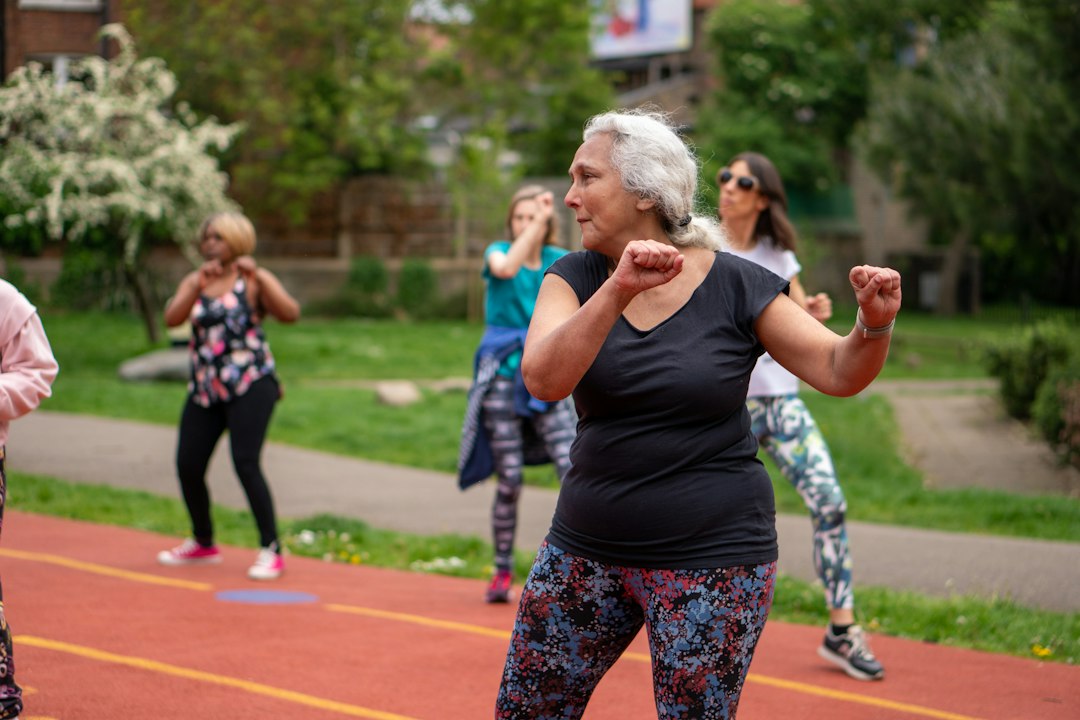
World Osteoporosis Day 2026 will be observed on Tuesday, 20 October 2026. The annual global health-awareness day focuses on osteoporosis, bone health, fracture prevention and the importance of identifying people who may be at increased risk of fragile bones.
World Osteoporosis Day 2026 Overview
| Date | 20 October 2026 |
|---|---|
| Day | Tuesday |
| Observed annually | October 20 |
| Global organization | International Osteoporosis Foundation (IOF) |
| Focus | Bone health, osteoporosis awareness and fracture prevention |
What Is World Osteoporosis Day?
World Osteoporosis Day is an international campaign that raises awareness of osteoporosis and related fractures. It encourages people to understand bone-health risk factors and promotes appropriate prevention, diagnosis and treatment.
The campaign is associated with the International Osteoporosis Foundation and brings together healthcare professionals, patient organizations and communities around the world.
What Is Osteoporosis?
Osteoporosis is a condition in which bones become weaker and more susceptible to fracture. It can progress without obvious symptoms until a fracture occurs, which is why it is sometimes described as a silent disease.
Osteoporosis is not simply an inevitable part of ageing. Risk differs between individuals, and appropriate assessment and treatment can be important for people at increased fracture risk.
Why Bone Health Matters
Bones provide structure, protect organs and work with muscles to enable movement. Bone tissue is continuously renewed throughout life. Age, hormones, nutrition, physical activity, medicines and medical conditions can influence bone strength.
Building healthy habits early in life and maintaining them through adulthood can support skeletal health, while older adults may need additional attention to fracture risk and fall prevention.
Who May Be at Higher Risk?
Risk factors can include increasing age, previous fragility fracture, family history of osteoporosis or hip fracture, low body weight in some circumstances, smoking, heavy alcohol use, long-term use of certain medicines such as glucocorticoids, and some medical conditions.
Menopause-related hormonal changes can also affect bone health. Osteoporosis can affect men as well as women.
What Is a Fragility Fracture?
A fragility fracture is a fracture resulting from relatively low-energy trauma, such as a fall from standing height or less, that would not ordinarily be expected to break healthy bone. Such fractures can be an important warning sign of underlying bone fragility.
A previous fragility fracture can increase the likelihood of another fracture, so follow-up assessment may be important.
Common Fracture Sites
Osteoporosis-related fractures commonly involve the hip, spine and wrist, although other bones can also be affected. Vertebral fractures may sometimes occur without a dramatic injury and can be missed.
Sudden severe back pain, loss of height or changes in posture can have multiple causes and should be assessed appropriately rather than self-diagnosed.
Bone Density Testing
Bone mineral density can be measured using specialized tests such as DXA. Whether testing is appropriate depends on factors including age, medical history, medicines and overall fracture risk.
A healthcare professional can determine whether testing is needed and interpret the result alongside other risk factors. A scan result should not be interpreted in isolation.
Calcium and Bone Health
Calcium is an important mineral for bones, but needs vary by age and individual circumstances. A balanced diet can provide calcium through appropriate foods, depending on dietary preferences and tolerances.
More calcium is not automatically better. High-dose supplements are not appropriate for everyone and should be considered with professional guidance when necessary.
Vitamin D
Vitamin D contributes to calcium absorption and bone health. Vitamin D status can be influenced by sun exposure, diet, age, skin characteristics and other factors.
People concerned about deficiency or supplementation should seek appropriate medical guidance rather than taking very high doses based on social-media advice.
Protein and Balanced Nutrition
Adequate protein and overall nutrition support muscle and bone health. Maintaining muscle strength is also relevant to mobility and fall prevention.
Extreme diets or unnecessary food restrictions can make it harder to meet nutritional needs. Individual dietary advice may be useful for people with medical conditions or special nutritional requirements.
Exercise for Strong Bones
Weight-bearing activity and resistance exercise can support bone and muscle health when appropriate for the individual. Balance and strength exercises may also help some older adults reduce fall risk.
People with diagnosed osteoporosis, previous fractures or significant medical conditions should obtain appropriate advice before beginning high-impact or unfamiliar exercise programmes.
Fall Prevention
Preventing falls can be particularly important for people at increased fracture risk. Practical measures may include reviewing vision, footwear, medications and home hazards, improving lighting and maintaining strength and balance.
Fall prevention should be individualized because the causes of falls differ from person to person.
Osteoporosis Treatment
When treatment is indicated, clinicians may consider medicines that reduce bone breakdown, medicines that promote bone formation, or other approaches depending on the individual. Choice of treatment depends on fracture risk, medical history, kidney function, previous treatment and other factors.
Do not start, stop or change prescribed osteoporosis medicines based solely on online information. Some treatments require careful timing, monitoring or transition planning.
World Osteoporosis Day and Women
Bone loss can accelerate around menopause as estrogen levels change, making midlife an important time to review bone-health risk factors. However, not every postmenopausal woman has osteoporosis, and individual risk assessment remains important.
Osteoporosis in Men
Men can also develop osteoporosis and experience serious fractures. Awareness is sometimes lower because osteoporosis is frequently discussed as a women’s health issue. Older men and men with relevant medical or medication risk factors may need assessment.
How to Observe World Osteoporosis Day 2026
- Learn about osteoporosis and fracture risk factors.
- Share reliable bone-health information.
- Encourage appropriate assessment after a fragility fracture.
- Promote safe strength, balance and weight-bearing activity.
- Discuss adequate nutrition, calcium and vitamin D without promoting unnecessary supplements.
- Review fall hazards for older family members.
- Invite qualified healthcare professionals for awareness programmes.
World Osteoporosis Day 2026 Messages
Strong bones support active lives. Learn your risk factors and seek appropriate assessment when needed.
A fracture after a minor fall can be an important warning sign. Do not ignore bone health after a fragility fracture.
Bone health depends on the whole picture: nutrition, activity, medical conditions, medicines, age and individual fracture risk.
Short Bone Health Slogans
- Protect your bones, protect your mobility.
- Strong bones for active lives.
- Know your fracture risk.
- Build strength, prevent falls.
- Bone health matters at every age.
- Do not ignore a fragility fracture.
Myths and Facts
Myth: Osteoporosis affects only women. Fact: Men can also develop osteoporosis.
Myth: Everyone needs calcium supplements. Fact: Needs vary, and unnecessary high-dose supplementation may not be appropriate.
Myth: Osteoporosis always causes pain before a fracture. Fact: Bone loss can occur without obvious symptoms.
Myth: Exercise is always unsafe with osteoporosis. Fact: Appropriate exercise can be beneficial, but programmes should match individual health and fracture risk.
Frequently Asked Questions
When is World Osteoporosis Day 2026?
It is observed on Tuesday, 20 October 2026.
What is osteoporosis?
Osteoporosis is a condition characterized by weakened bones and increased susceptibility to fractures.
Can men develop osteoporosis?
Yes. Osteoporosis affects both women and men.
What is a fragility fracture?
It is a fracture caused by relatively low-energy trauma, such as a fall from standing height or less, and may indicate underlying bone fragility.
Does everyone need a bone-density scan?
No. Testing decisions depend on age, medical history and fracture risk and should be discussed with a healthcare professional.
Can exercise support bone health?
Appropriate weight-bearing and resistance activity can support bone and muscle health. Individual safety considerations matter, particularly for people with osteoporosis or previous fractures.
Should everyone take calcium and vitamin D supplements?
No. Requirements and supplementation needs vary. Professional guidance can help determine what is appropriate.
What is the official World Osteoporosis Day 2026 theme?
Any official 2026 campaign theme should be confirmed from current International Osteoporosis Foundation materials rather than copied from unofficial theme lists.
Explore More on CareerSphere
Read more CareerSphere News, browse Latest Jobs, and visit the CareerSphere homepage.
Final Note
World Osteoporosis Day 2026 highlights the importance of protecting bone health throughout life. Awareness of fracture risk, balanced nutrition, appropriate physical activity, fall prevention and evidence-based medical care can help people make informed decisions about skeletal health.
Leave a Reply