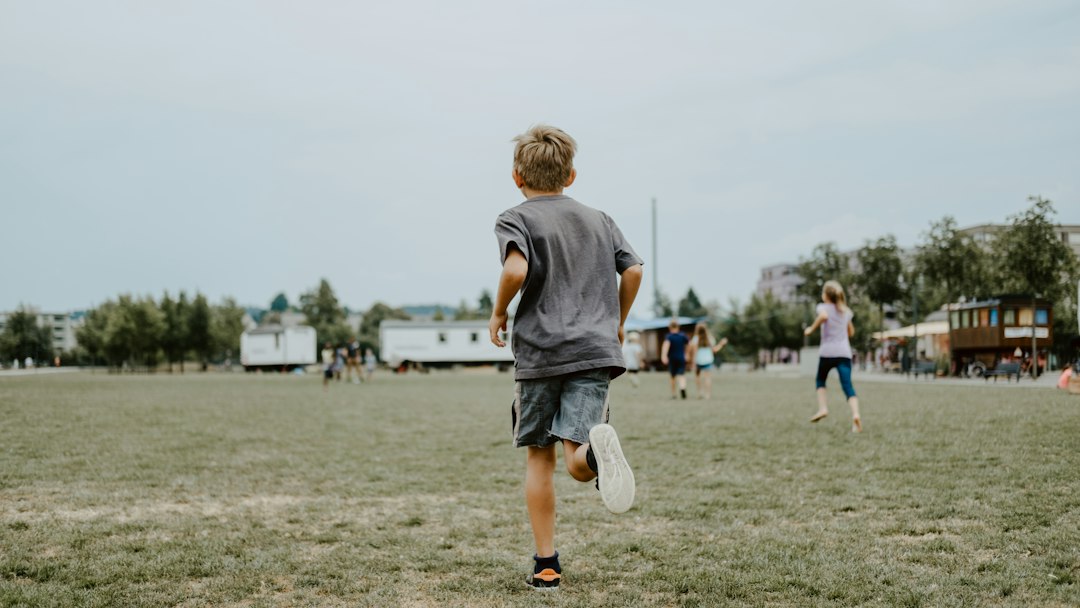
World Pediatric Bone and Joint Day 2026 will be observed on Monday, 19 October 2026. The awareness day focuses on musculoskeletal health in children and adolescents and encourages families, schools and healthcare communities to recognize persistent bone, joint and muscle problems early and seek appropriate professional assessment.
World Pediatric Bone and Joint Day 2026 Overview
| Date | 19 October 2026 |
|---|---|
| Day | Monday |
| Observed annually | October 19 |
| Focus | Children’s bone, joint and musculoskeletal health |
| Key message | Awareness, prevention where possible, and timely professional evaluation |
What Is World Pediatric Bone and Joint Day?
World Pediatric Bone and Joint Day is an awareness occasion devoted to musculoskeletal conditions affecting children and teenagers. Growing bodies have different needs from adults, and problems involving bones, joints, muscles, tendons and movement can affect school attendance, sport, sleep and daily activities.
The day encourages better awareness without suggesting that every childhood ache represents a serious condition. Many minor pains and injuries improve, but persistent or concerning symptoms deserve professional attention.
Why Children’s Musculoskeletal Health Matters
Childhood and adolescence are periods of rapid growth and development. Healthy bones and muscles support movement, participation in play and sport, independence and long-term physical health.
Musculoskeletal problems may result from injuries, overuse, infection, inflammatory conditions, developmental differences, nutritional issues or other medical causes. Proper diagnosis matters because treatment varies widely.
Common Bone and Joint Concerns in Children
Children may experience sprains, fractures, sports injuries, overuse pain or other musculoskeletal complaints. Some conditions can also affect growth, joint movement or alignment.
Parents should avoid diagnosing a condition from an online symptom list. Similar symptoms can have very different causes, and a healthcare professional can decide whether examination or further testing is needed.
Sports and Overuse Injuries
Sport offers important physical, social and emotional benefits, but rapidly increasing training volume or repeatedly stressing the same area can contribute to overuse injuries.
Age-appropriate coaching, gradual progression, suitable equipment, rest and attention to pain can help reduce avoidable risk. Children should not be pressured to continue through significant pain merely to complete a competition or training session.
Physical Activity and Strong Bones
Regular age-appropriate physical activity supports general health and bone development. Activities that involve running, jumping and other weight-bearing movement can contribute to bone strength when suitable for the child.
Activity recommendations should account for age, ability and any existing medical condition. Children recovering from injury should follow professional return-to-activity guidance.
Nutrition for Growing Bones
Balanced nutrition provides protein, calcium, vitamin D and other nutrients needed for growth and overall health. Requirements vary with age and individual circumstances.
Parents should be cautious about high-dose supplements marketed for “stronger bones” without medical advice. Excessive supplementation can be harmful, and suspected nutritional deficiencies should be assessed appropriately.
Posture, Backpacks and School Life
Comfortable study spaces, regular movement and appropriately managed school bags can support musculoskeletal comfort. Backpacks should be suitable for the child and carried correctly rather than overloaded with unnecessary items.
Persistent back, neck or shoulder pain should not automatically be blamed on posture or a school bag; medical evaluation may be appropriate if symptoms continue or worsen.
Bone and Joint Health in Schools
Schools can promote safe physical education, appropriate warm-up and cool-down routines, safe playgrounds and sensible responses to injuries. Teachers and coaches should take persistent pain, swelling or reduced mobility seriously.
First-aid procedures and clear communication with parents are important when an injury occurs.
When Should Parents Seek Medical Attention?
Seek professional assessment when a child has severe or persistent pain, significant swelling, inability to use or bear weight on a limb, visible deformity, recurrent symptoms or symptoms that interfere with sleep or normal activities.
Urgent assessment may be needed after a serious injury or when bone or joint symptoms occur with concerning systemic symptoms such as high fever or a child appearing very unwell.
Growth-Related Pain: Avoid Assumptions
The phrase “growing pains” is commonly used, but parents should not use it to dismiss persistent, one-sided, severe or unusual pain. Pain patterns need appropriate assessment when there is uncertainty.
A clinician can consider the child’s age, symptom pattern, examination findings and medical history.
Healthy Weight and Musculoskeletal Health
Growth and body composition are complex in children. Conversations about weight should be handled sensitively and should focus on health, nourishment, activity and well-being rather than stigma or appearance.
Families with concerns about a child’s growth or nutrition should seek guidance from qualified pediatric healthcare professionals.
Technology and Sedentary Time
Long periods of sitting can reduce opportunities for movement. Families and schools can encourage regular activity breaks and balanced routines that include physical play, learning, sleep and recreation.
There is no need to portray technology itself as harmful; the goal is a healthy balance of activities.
How to Observe World Pediatric Bone and Joint Day 2026
- Share reliable information about children’s musculoskeletal health.
- Review sports-safety and injury-response practices.
- Encourage age-appropriate physical activity.
- Check that school bags and study spaces are practical and comfortable.
- Discuss balanced nutrition for growth.
- Teach children to report pain rather than hide it.
- Invite qualified health professionals for awareness sessions.
World Pediatric Bone and Joint Day 2026 Messages
Healthy movement supports childhood development. Listen when children report persistent pain and seek appropriate care when needed.
Strong bones are supported by balanced nutrition, regular activity, safe sport and good healthcare—not miracle supplements.
Children should be encouraged to enjoy sport safely, not pressured to train through significant pain.
Short Awareness Slogans
- Healthy bones, active childhoods.
- Listen to pain, protect growing bodies.
- Move safely, grow strongly.
- Safe sport starts with smart training.
- Nutrition, movement, healthy growth.
- Protect young bones and joints.
Careers in Pediatric Musculoskeletal Health
Professionals involved in children’s musculoskeletal care can include pediatricians, orthopedic specialists, physiotherapists, occupational therapists, nurses, radiology professionals, rehabilitation specialists and other healthcare practitioners.
Students interested in these careers should follow recognized educational and licensing pathways applicable to their profession and location.
Frequently Asked Questions
When is World Pediatric Bone and Joint Day 2026?
It is observed on Monday, 19 October 2026.
What does pediatric musculoskeletal health include?
It broadly concerns the bones, joints, muscles and related structures of children and adolescents.
Should a child exercise with significant joint pain?
Significant or persistent pain should not simply be trained through. Appropriate professional assessment may be needed before returning to activity.
Can nutrition affect bone health?
Yes. Balanced nutrition provides nutrients important for growth and bone development, although individual needs vary.
Are supplements necessary for every child?
No. Supplement use should be based on individual needs and appropriate professional guidance.
When does an injury need urgent attention?
Serious trauma, visible deformity, inability to use a limb, severe pain or other concerning symptoms can require urgent medical assessment.
How can schools support bone and joint health?
Schools can promote safe physical activity, sensible injury procedures, movement opportunities and awareness of persistent symptoms.
What is the official 2026 theme?
Any official annual campaign theme should be confirmed from current materials of the relevant musculoskeletal-health organizations rather than copied from unofficial theme lists.
Explore More on CareerSphere
Read more CareerSphere News, browse Latest Jobs, and visit the CareerSphere homepage.
Final Note
World Pediatric Bone and Joint Day 2026 is a useful reminder that children’s musculoskeletal health deserves age-appropriate attention. Safe activity, balanced nutrition, sensible training and timely assessment of concerning symptoms can support healthy growth while helping children remain active and confident.
Leave a Reply