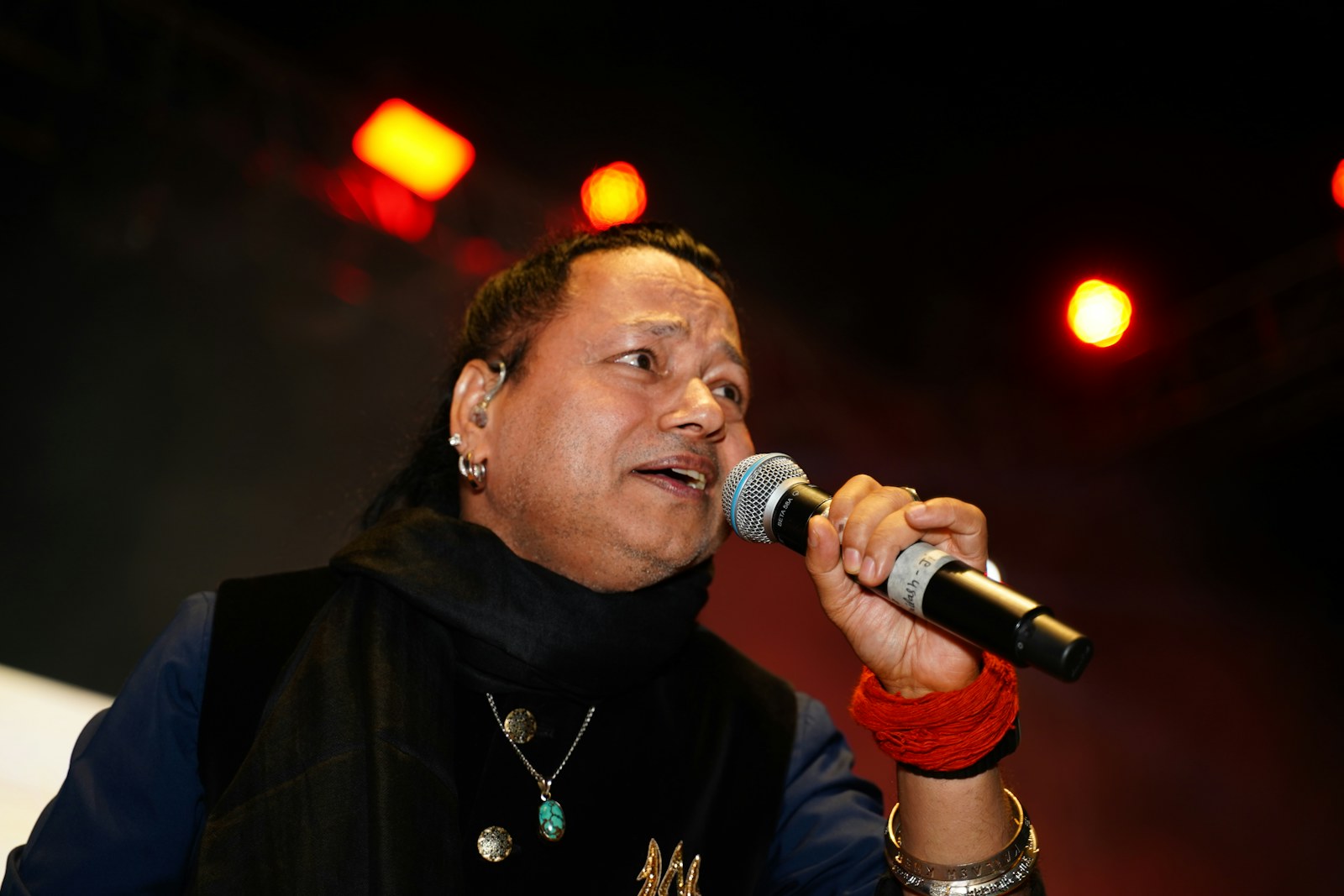
Manna Dey Death Anniversary 2026 will be observed on October 24, 2026, marking the 13th death anniversary of Indian playback singer, music director and musician Prabodh Chandra Dey, popularly known as Manna Dey. Born in Kolkata in 1919, he developed a strong classical music foundation and went on to build a career spanning more than five decades.
Manna Dey worked extensively in Hindi and Bengali cinema and also recorded songs in several other Indian languages. His repertoire covered classical and semi-classical compositions as well as romantic, devotional, comic and other popular film songs. The Government of India honoured him with the Padma Shri in 1971, Padma Bhushan in 2005 and Dadasaheb Phalke Award for 2007. Official records from the Press Information Bureau and Akashvani provide important references for his life and career.
Manna Dey Death Anniversary 2026: Date and Key Details
| Particular | Details |
|---|---|
| Occasion | Manna Dey Death Anniversary |
| Date in 2026 | October 24, 2026 |
| Year of death | 2013 |
| Full name | Prabodh Chandra Dey |
| Popular name | Manna Dey |
| Date of birth | May 1, 1919 |
| Birthplace | Kolkata |
| Profession | Playback singer, music director and musician |
| Major national honours | Padma Shri, Padma Bhushan, Dadasaheb Phalke Award |
Who Was Manna Dey?
Prabodh Chandra Dey, known professionally as Manna Dey, was one of the prominent voices associated with Indian film music during the twentieth century. His musical identity was strongly influenced by classical traditions, but his work was not limited to classical or semi-classical songs. He adapted his voice to many kinds of film compositions and worked with leading composers across different periods of Indian cinema.
Akashvani archival material describes Manna Dey as a singer whose career extended for more than five decades. It also records his work in Hindi, Bengali and several regional languages. His ability to handle technically demanding compositions while also performing lighter popular songs became an important part of his professional reputation.
When Did Manna Dey Die?
Manna Dey died on October 24, 2013. The Vice President’s Secretariat issued an official condolence release on that date, describing his contribution to Indian playback music and his ability to entertain audiences across generations. The official Press Information Bureau record is a primary government source for the date of his death.
His death anniversary is therefore observed every year on October 24. In 2026, the date falls on a Saturday and marks 13 years since his death.
Manna Dey Early Life and Musical Background
Manna Dey was born on May 1, 1919, in Kolkata. He received musical training and developed a strong grounding in Indian classical traditions before establishing himself in the film industry. His early association with musicians and teachers helped shape the vocal technique that later became a defining feature of his playback career.
Classical music remained an important influence throughout his life. This training enabled him to approach compositions involving complex melodic structures and demanding vocal passages. At the same time, he was able to adapt those skills to the requirements of commercial cinema.
Manna Dey Playback Singing Career
Manna Dey entered playback singing in the early 1940s. Government archival material identifies Tamanna as an important early film in his playback career. Over the following decades, he became associated with a wide range of Hindi and Bengali films and worked with several leading music directors.
His popularity was particularly prominent from the 1950s through the 1970s. During this period, Indian film music was developing rapidly, with composers experimenting with classical traditions, orchestration, Western musical influences and new forms of popular songwriting. Manna Dey was able to work across these changing musical environments.
His film repertoire included songs based on classical ragas, romantic compositions, devotional music, comic songs and semi-classical pieces. This versatility meant that his voice could be used for very different cinematic situations rather than one fixed genre.
Manna Dey and Classical Music
One of the most discussed aspects of Manna Dey’s career is his ability to bring classical musical techniques into mainstream film music. He had the technical foundation needed for compositions that demanded precision, range and control, while still adapting the presentation to a popular audience.
Akashvani’s historical material also notes his classical training and his work across different musical forms. His career is therefore relevant not only to film-history discussions but also to the study of how Indian classical traditions influenced twentieth-century popular music.
Languages in Which Manna Dey Sang
Manna Dey’s musical work extended beyond Hindi and Bengali. Archival material from Akashvani records songs in several Indian languages, including Bhojpuri, Punjabi, Assamese, Gujarati, Kannada and Malayalam. Different sources use different counting methods for his total recordings, so exact song totals can vary between references.
| Area | Documented contribution |
|---|---|
| Hindi | Major part of his playback career |
| Bengali | Important part of his musical work |
| Other Indian languages | Recorded in multiple regional languages |
| Styles | Classical, semi-classical, romantic, devotional, comic and popular film music |
Major Awards Received by Manna Dey
Manna Dey received several national honours during his lifetime. The Government of India awarded him the Padma Shri in 1971 and the Padma Bhushan in 2005. He was also selected for the Dadasaheb Phalke Award for 2007, recognising his lifetime contribution to Indian cinema.
| Award | Year | Field |
|---|---|---|
| Padma Shri | 1971 | Arts |
| Padma Bhushan | 2005 | Arts |
| Dadasaheb Phalke Award | 2007 | Contribution to Indian cinema |
The Ministry of Information and Broadcasting’s official announcement on the Dadasaheb Phalke Award states that Manna Dey had a career of several decades and had recorded songs across different styles. The release also identifies him as the award’s recipient for 2007.
Why Manna Dey Is Remembered
Manna Dey is remembered for the breadth of his work and the combination of classical training with popular film music. His recordings demonstrate how a playback singer could move between technically challenging compositions and lighter songs while maintaining a distinctive vocal identity.
His career also reflects the changing role of playback singing in Indian cinema. A playback singer had to interpret lyrics, musical arrangements and the emotional setting of a film while working with composers, lyricists, instrumentalists and recording teams. Manna Dey’s long career covered several generations of this industry.
Manna Dey Death Anniversary 2026: Significance
Manna Dey’s contribution can also be understood through the history of Indian playback recording. Film singers did not appear on screen for every song they recorded; their voices were recorded separately and later used for the filmed performance. This system made the singer’s interpretation especially important because the voice had to communicate the character, mood and musical demands of a scene. Manna Dey’s career demonstrates how a technically trained vocalist could work successfully within that system for several decades.
His musical legacy is also useful for understanding the relationship between classical and popular traditions in India. A classical foundation gave him the ability to approach demanding melodic passages, while cinema required flexibility in expression and a close relationship with lyrics and orchestration. His recordings therefore form part of a wider story about how Indian film music absorbed and adapted established musical traditions for mass audiences.
For learners, the occasion is a useful revision topic because one personality connects several areas of general knowledge: Indian cinema, music, national awards, important personalities and cultural history. When preparing notes, students should distinguish confirmed biographical facts from approximate figures sometimes repeated in secondary sources, particularly when discussing the total number of songs recorded. Government and public-broadcasting archives are preferable when exact historical details are required.
The death anniversary provides an occasion to revisit his contribution to Indian music and cinema. Broadcasters, music researchers, film historians and listeners can use the occasion to explore recordings from different stages of his career.
For students and competitive-exam aspirants, Manna Dey can also be relevant under Indian cinema, music, arts, awards and important personalities. The most useful facts to remember are his real name, birth and death dates, professional fields and major national honours.
Manna Dey Important Facts for Competitive Exams
- Manna Dey’s full name was Prabodh Chandra Dey.
- He was born on May 1, 1919.
- His birthplace was Kolkata.
- He died on October 24, 2013.
- He was a playback singer, music director and musician.
- His career lasted for more than five decades.
- He worked mainly in Hindi and Bengali cinema and also recorded in other Indian languages.
- He received the Padma Shri in 1971.
- He received the Padma Bhushan in 2005.
- He was selected for the Dadasaheb Phalke Award for 2007.
Manna Dey Death Anniversary 2026 FAQs
When is Manna Dey Death Anniversary 2026?
Manna Dey Death Anniversary 2026 is observed on October 24, marking the anniversary of his death in 2013.
What was Manna Dey’s real name?
His real name was Prabodh Chandra Dey. Manna Dey was his professional name.
When was Manna Dey born?
He was born on May 1, 1919, in Kolkata.
When did Manna Dey die?
Manna Dey died on October 24, 2013.
Which awards did Manna Dey receive?
His major national honours included the Padma Shri in 1971, Padma Bhushan in 2005 and Dadasaheb Phalke Award for 2007.
What was Manna Dey famous for?
He was known for playback singing, music direction and his ability to combine classical musical training with popular Indian film music.
How long was Manna Dey’s career?
Official and Akashvani archival material describes his career as spanning more than five decades.
Official Sources
- Press Information Bureau: Vice President Condoles the Passing Away of Shri Manna Dey
- Press Information Bureau: Dadasaheb Phalke Award 2007 to Shri Manna Dey
- Akashvani: Manna Dey career profile
Related CareerSphere articles: Continue reading our coverage of World Post Day 2026, Indian Air Force Day 2026 and World Coding Day 2026.
Leave a Reply